Indoor Carriage Racing

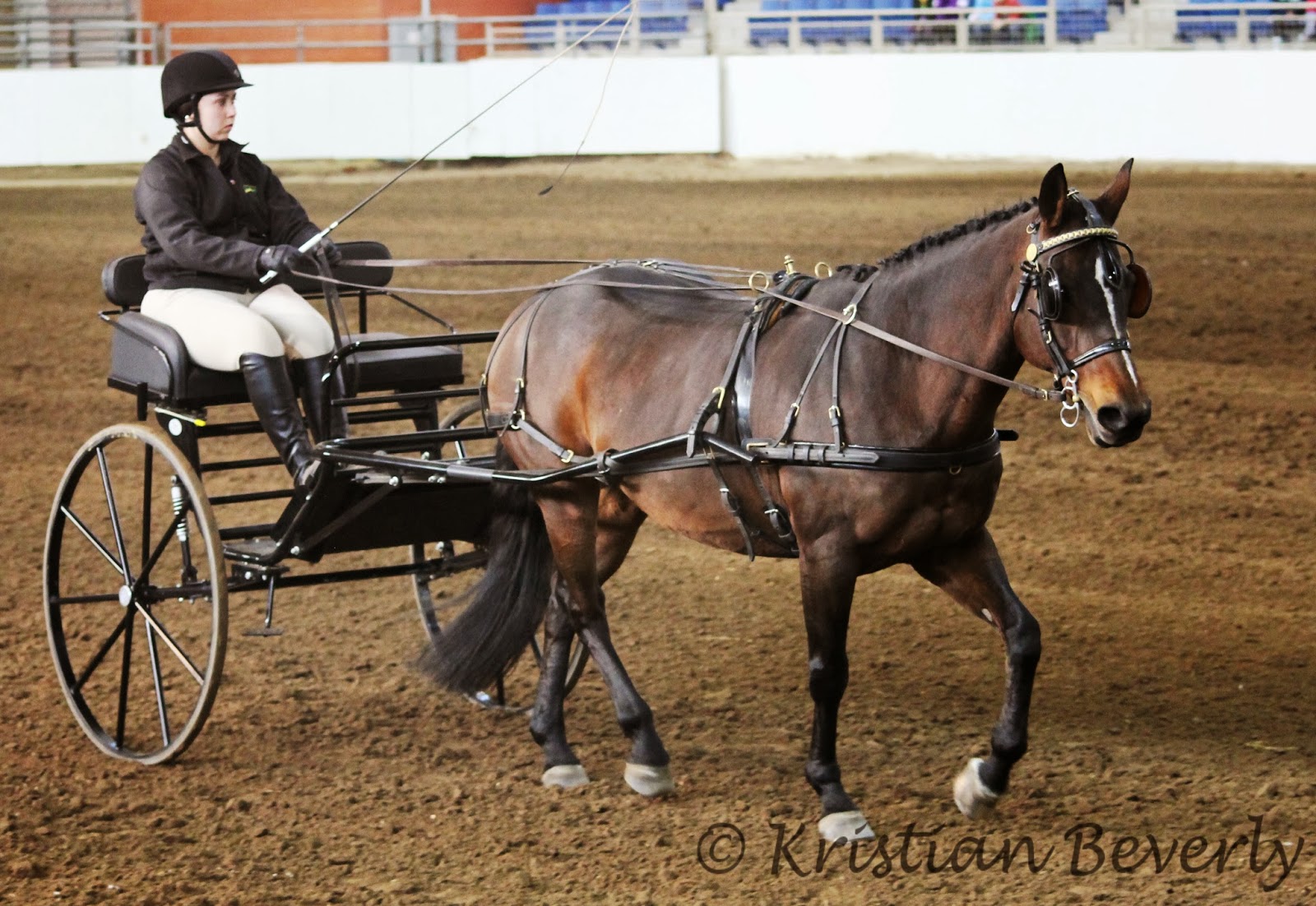
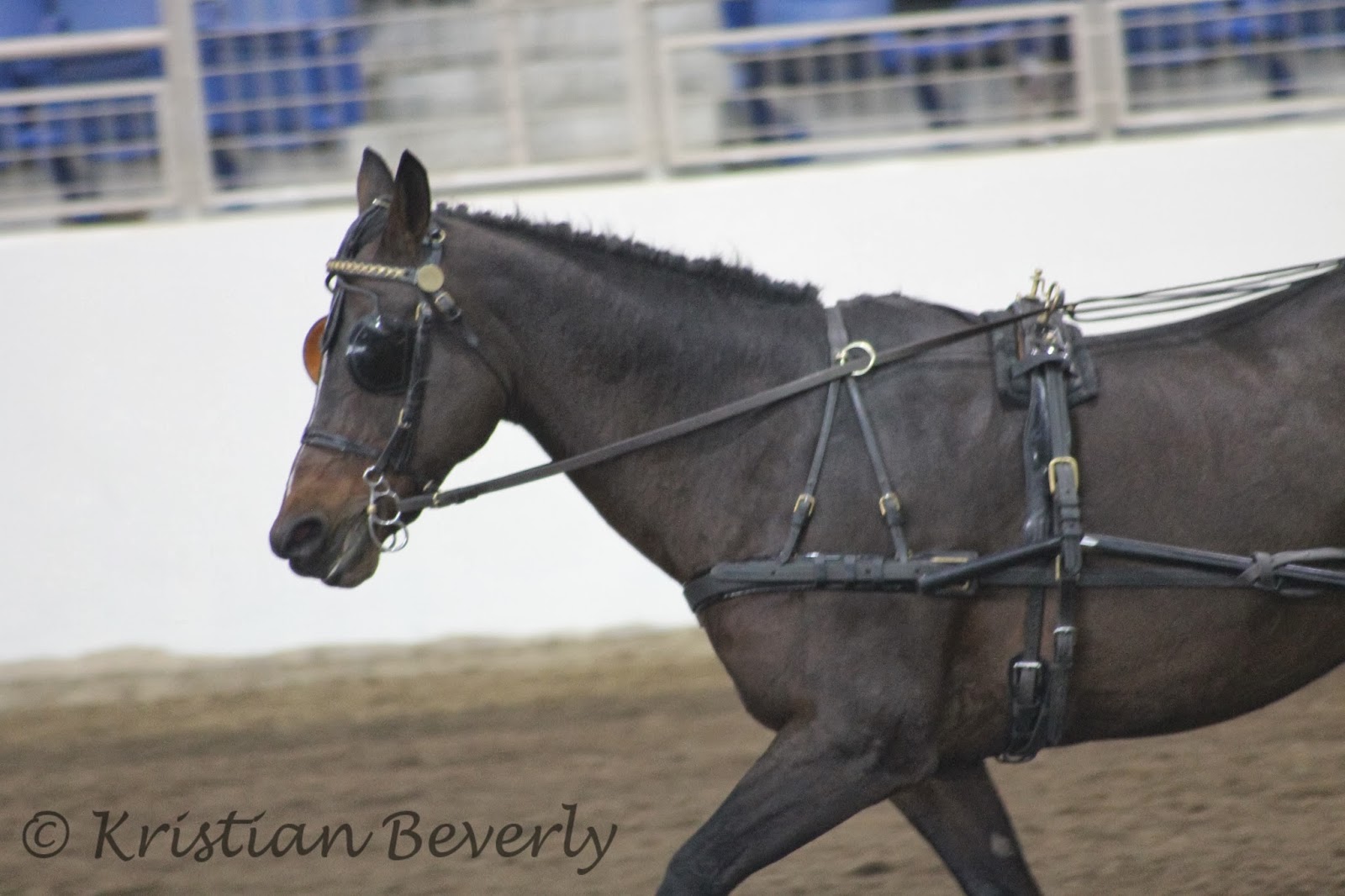
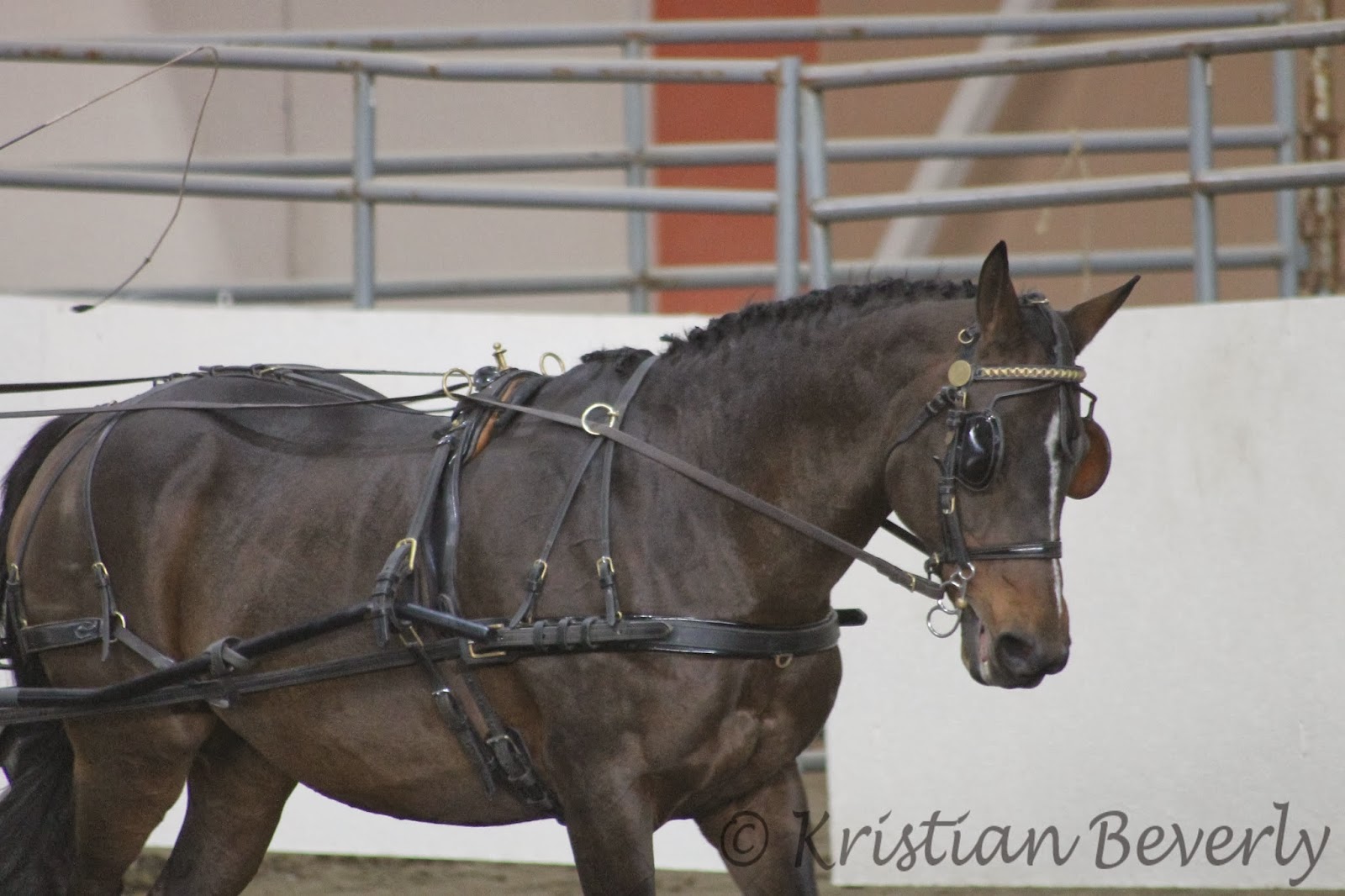
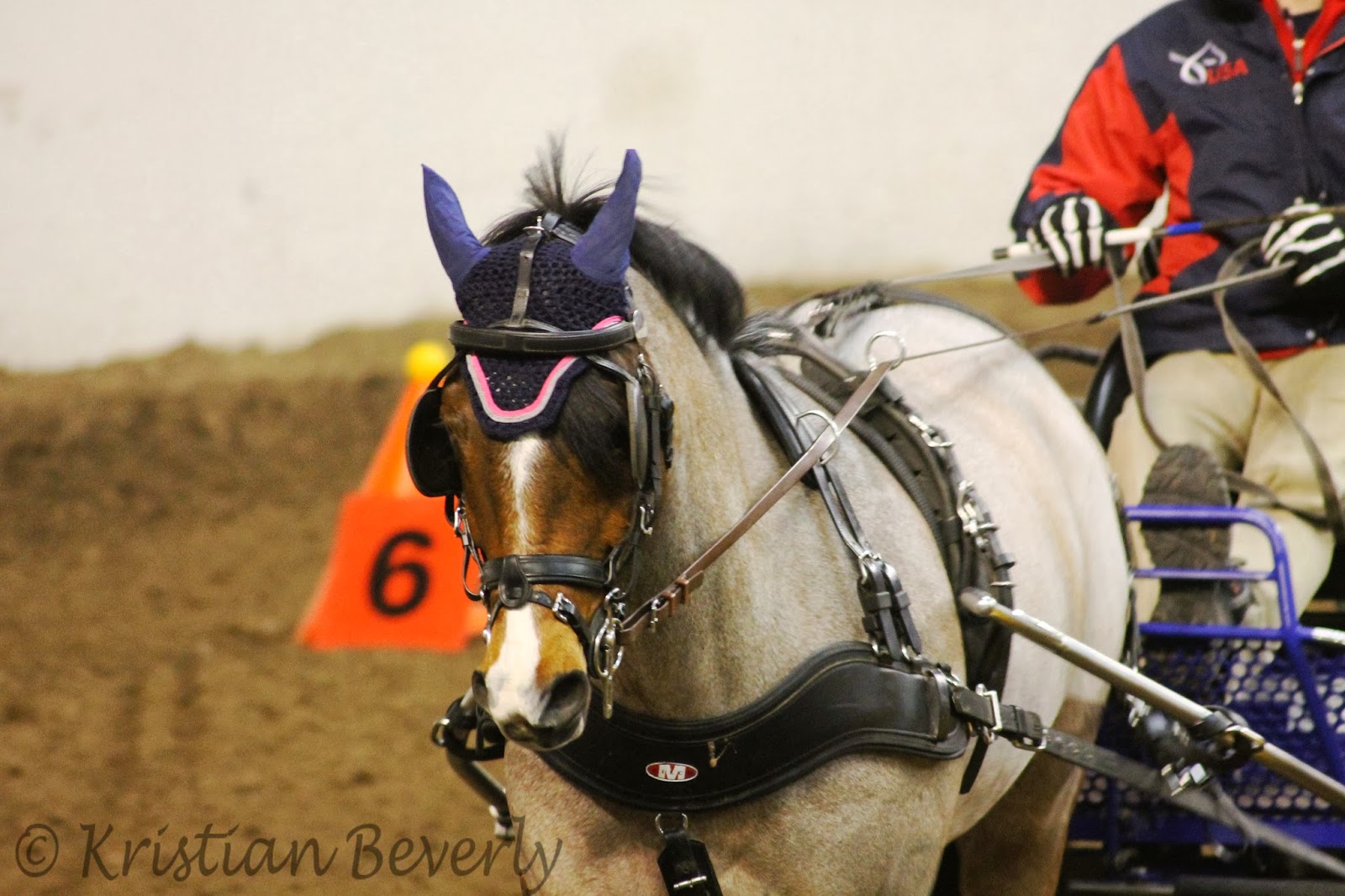
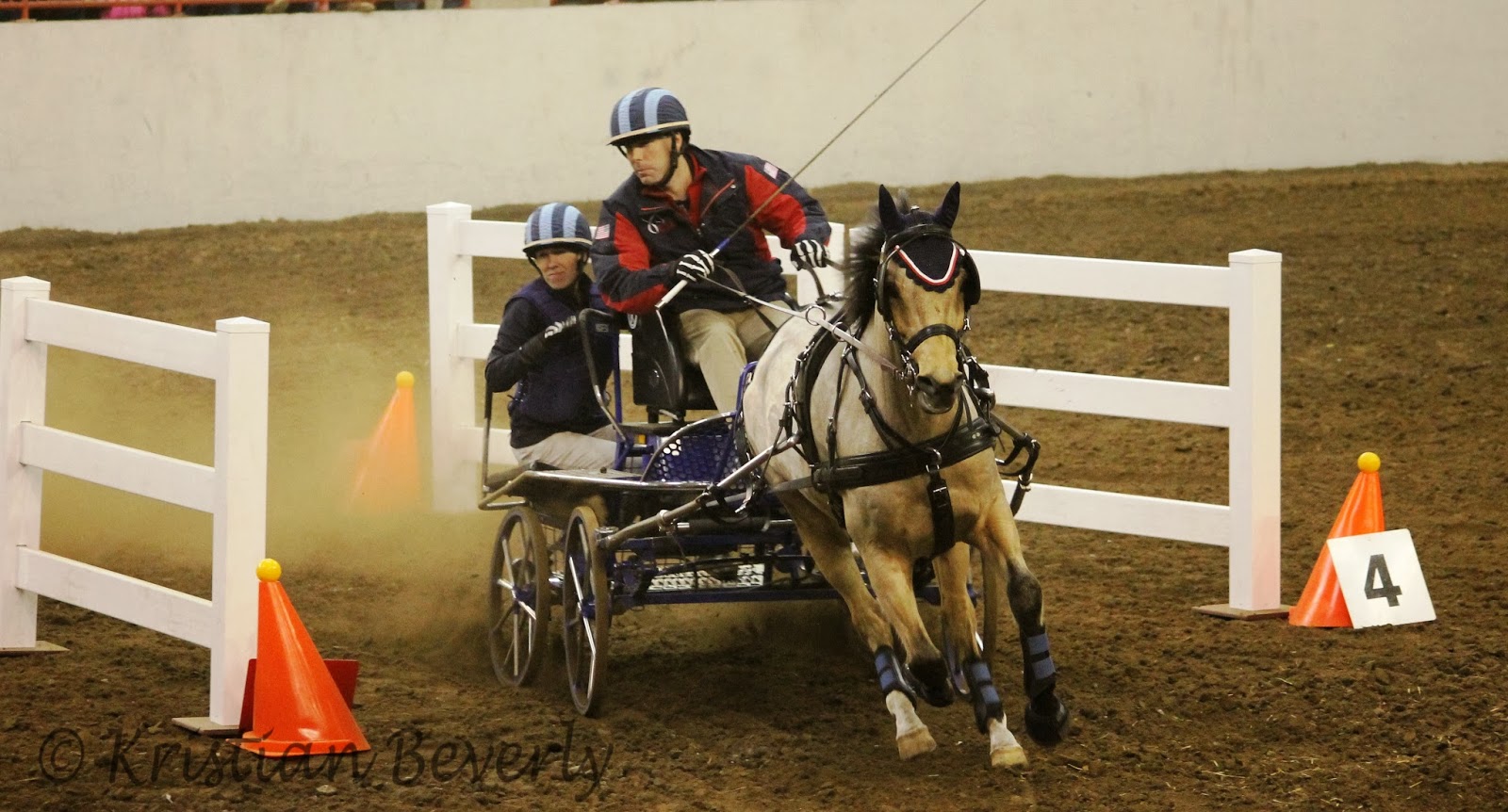
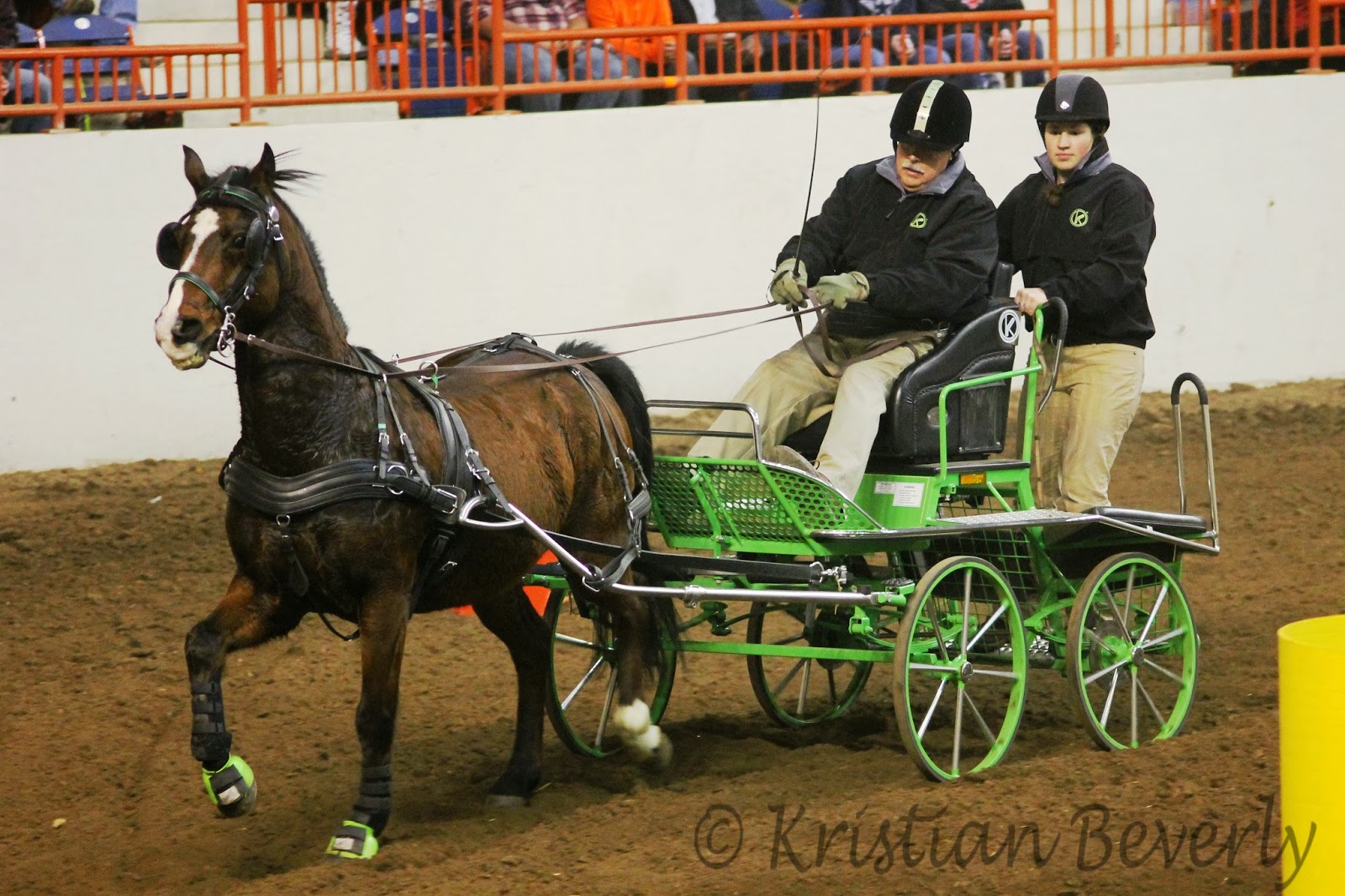
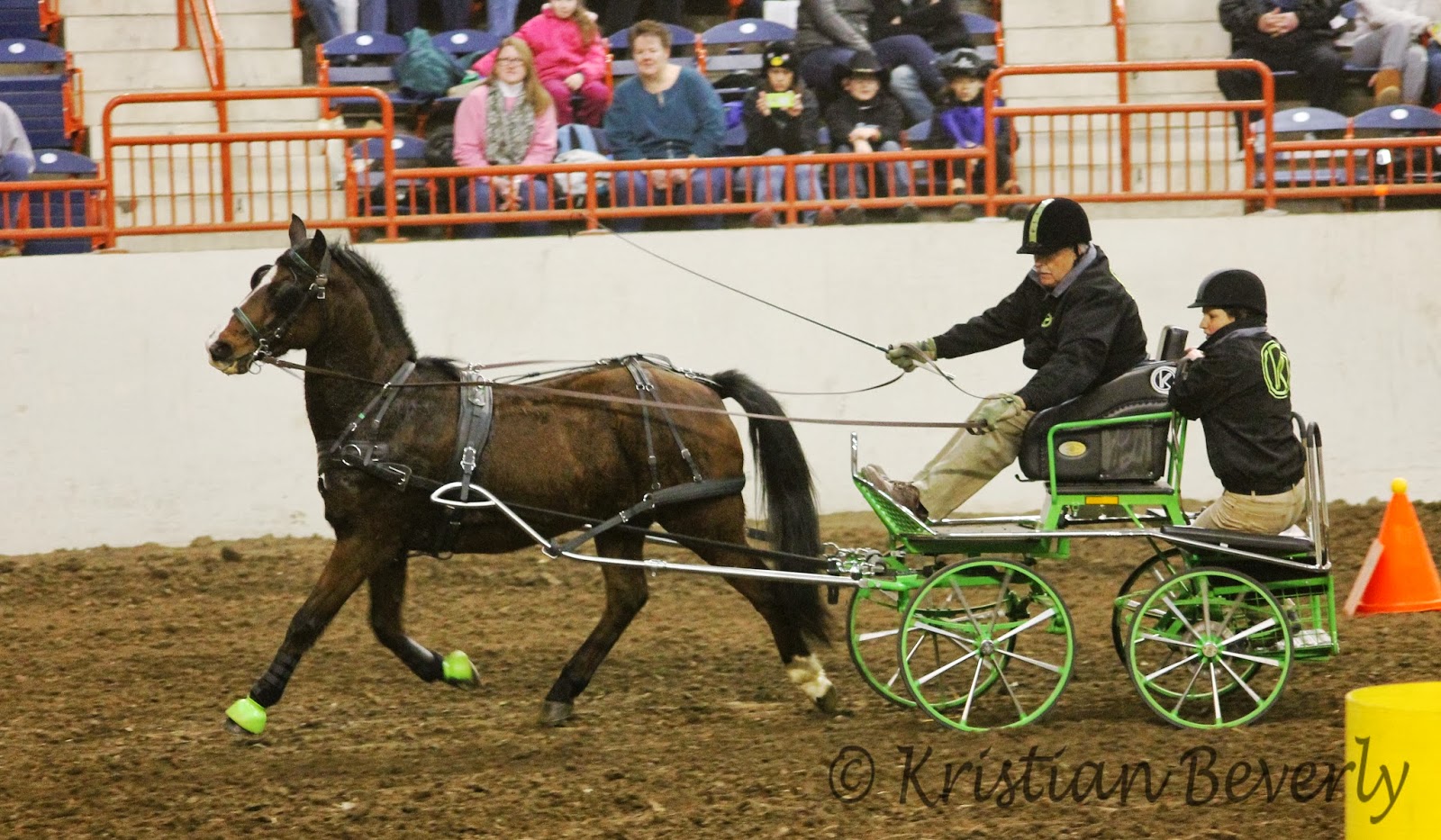
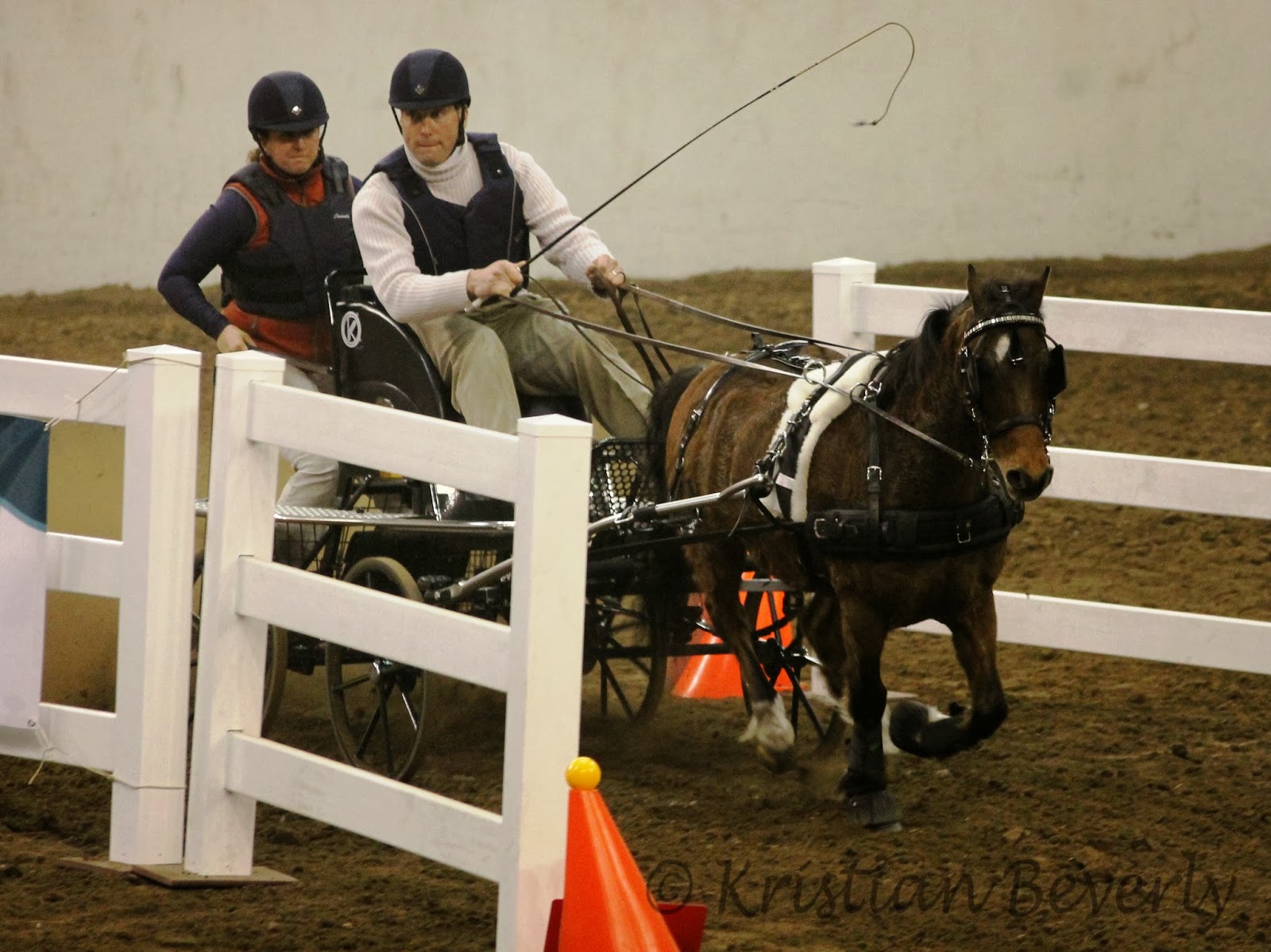
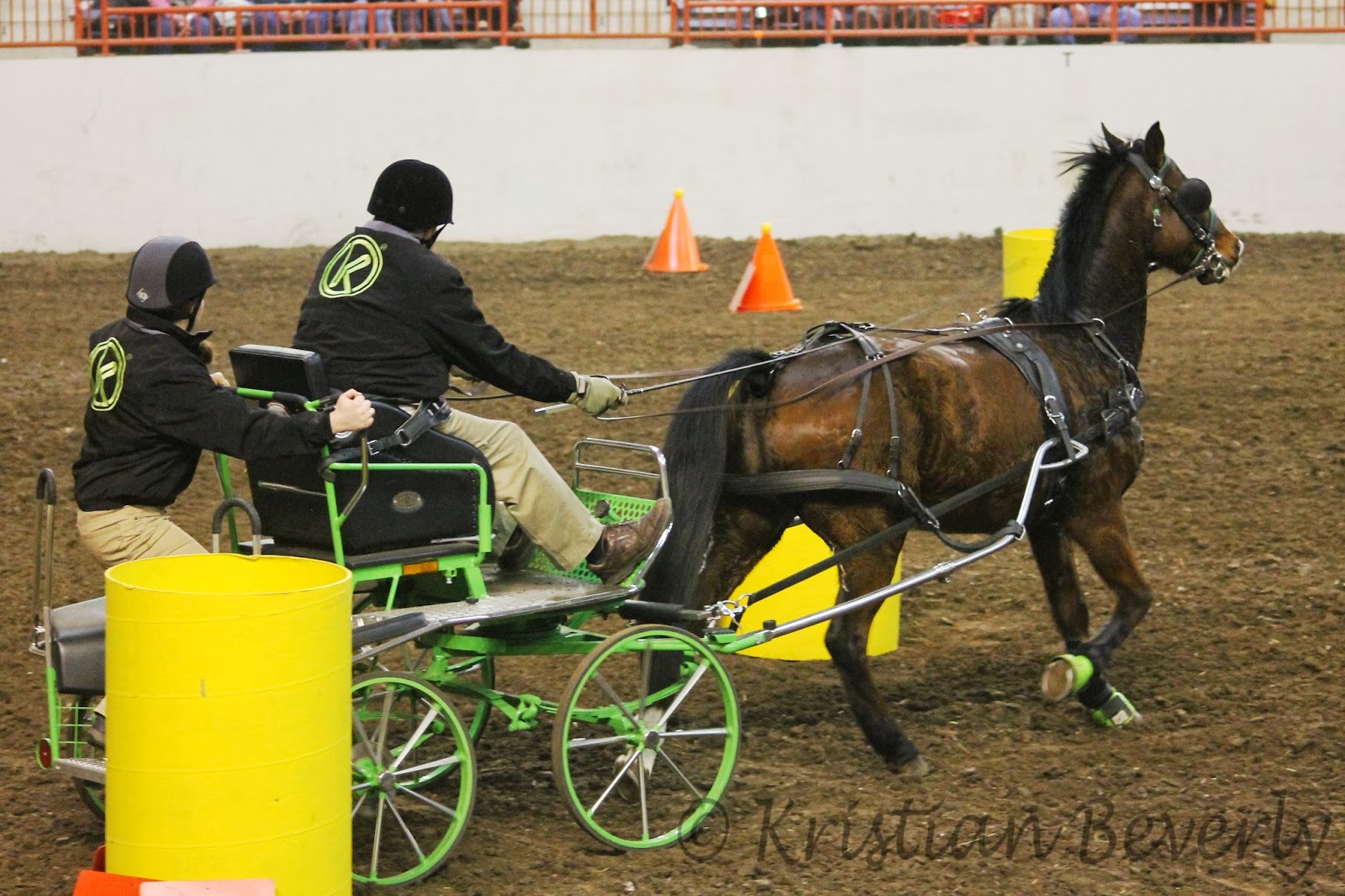
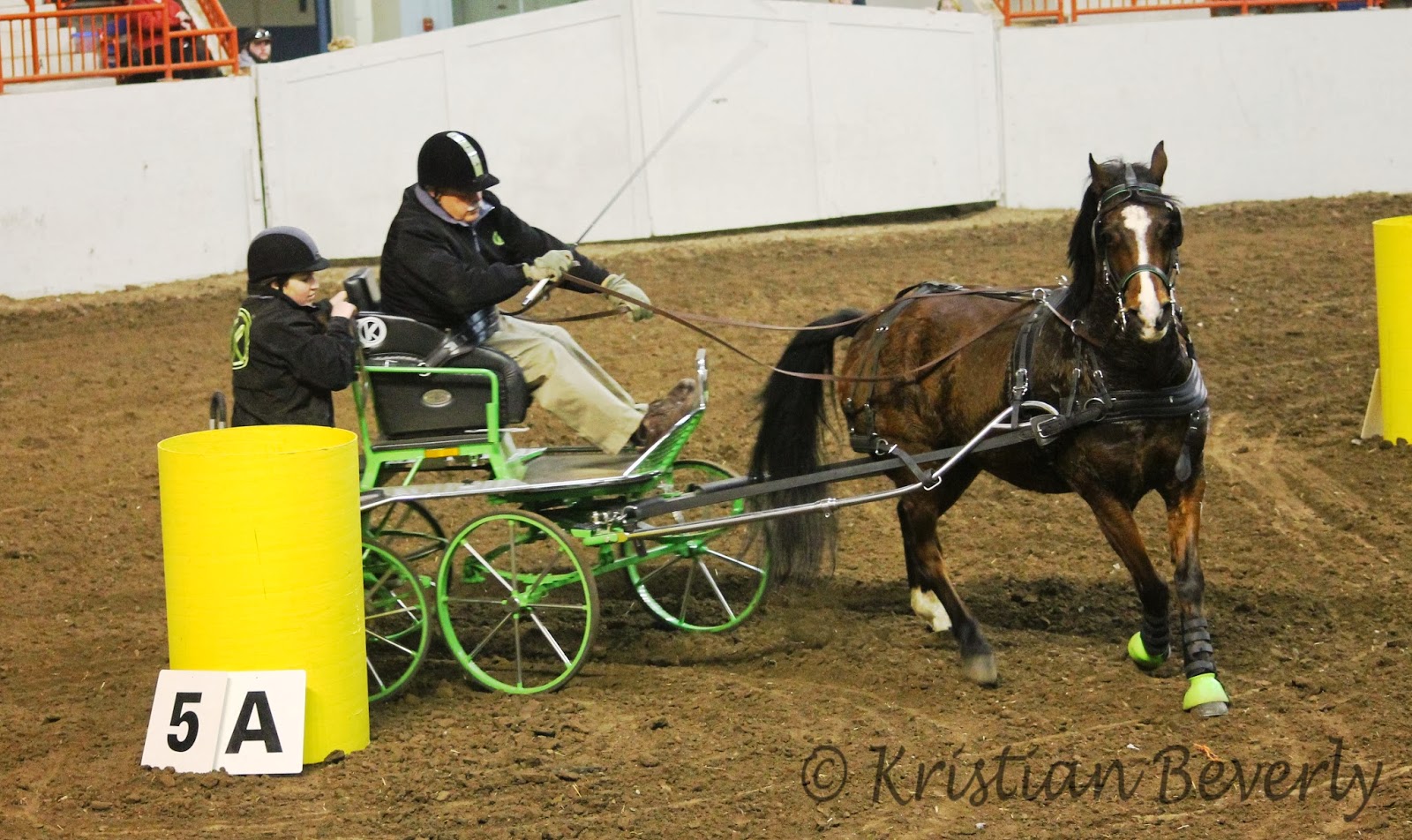
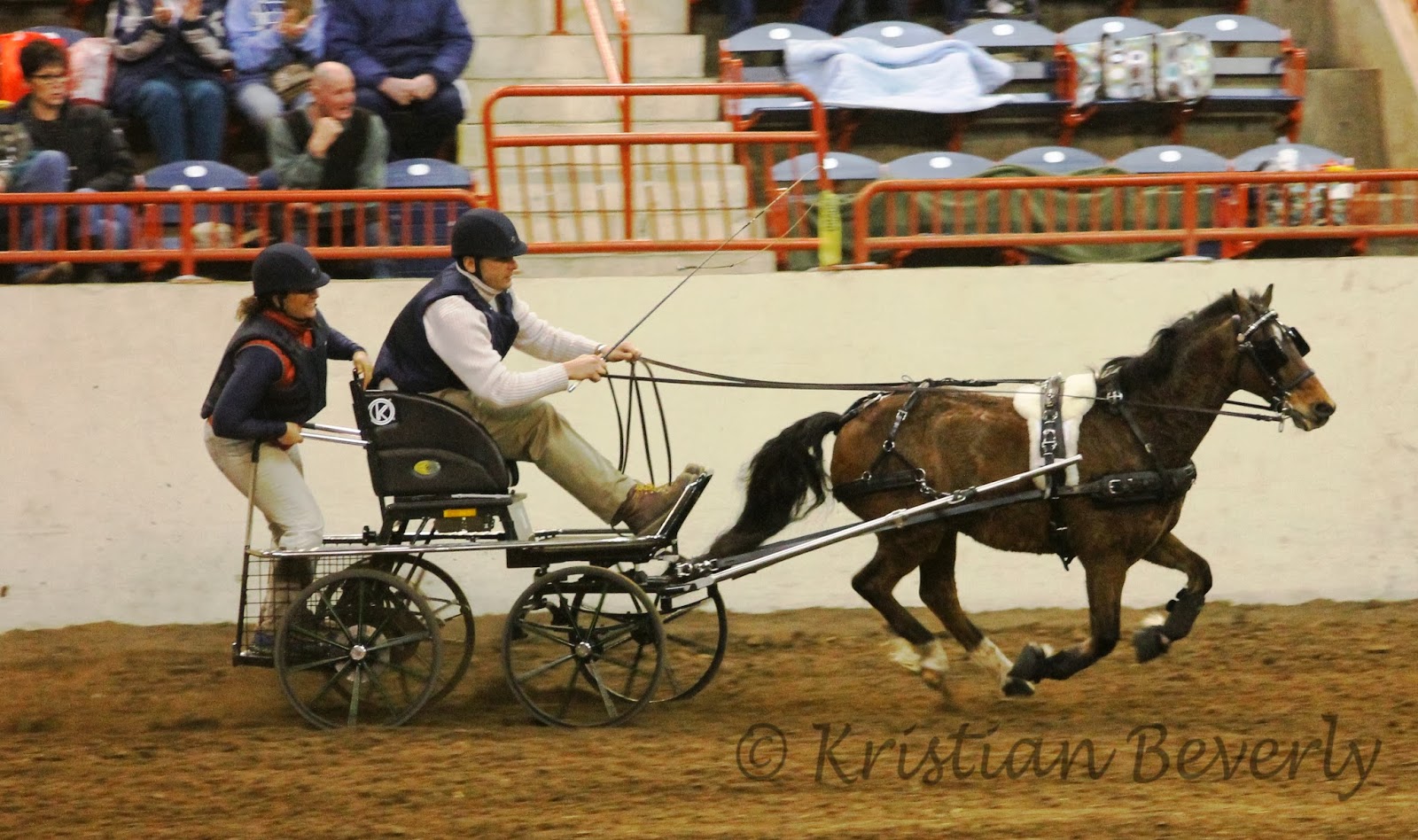
Here are some pictures from the indoor carriage race. Indoor Carriage Racing is a competition where horse and driver maneuver around obstacles at a fast pace.The first person controls the horse, while the second one balances the weight of the carriage so it doesn’t flip…or fall….or any other types of gravity issues.

The horses entered the arena, did a lap around the arena, before starting their run.
This was a fast pony and he finished first or second overall. All of the teams did two runs.

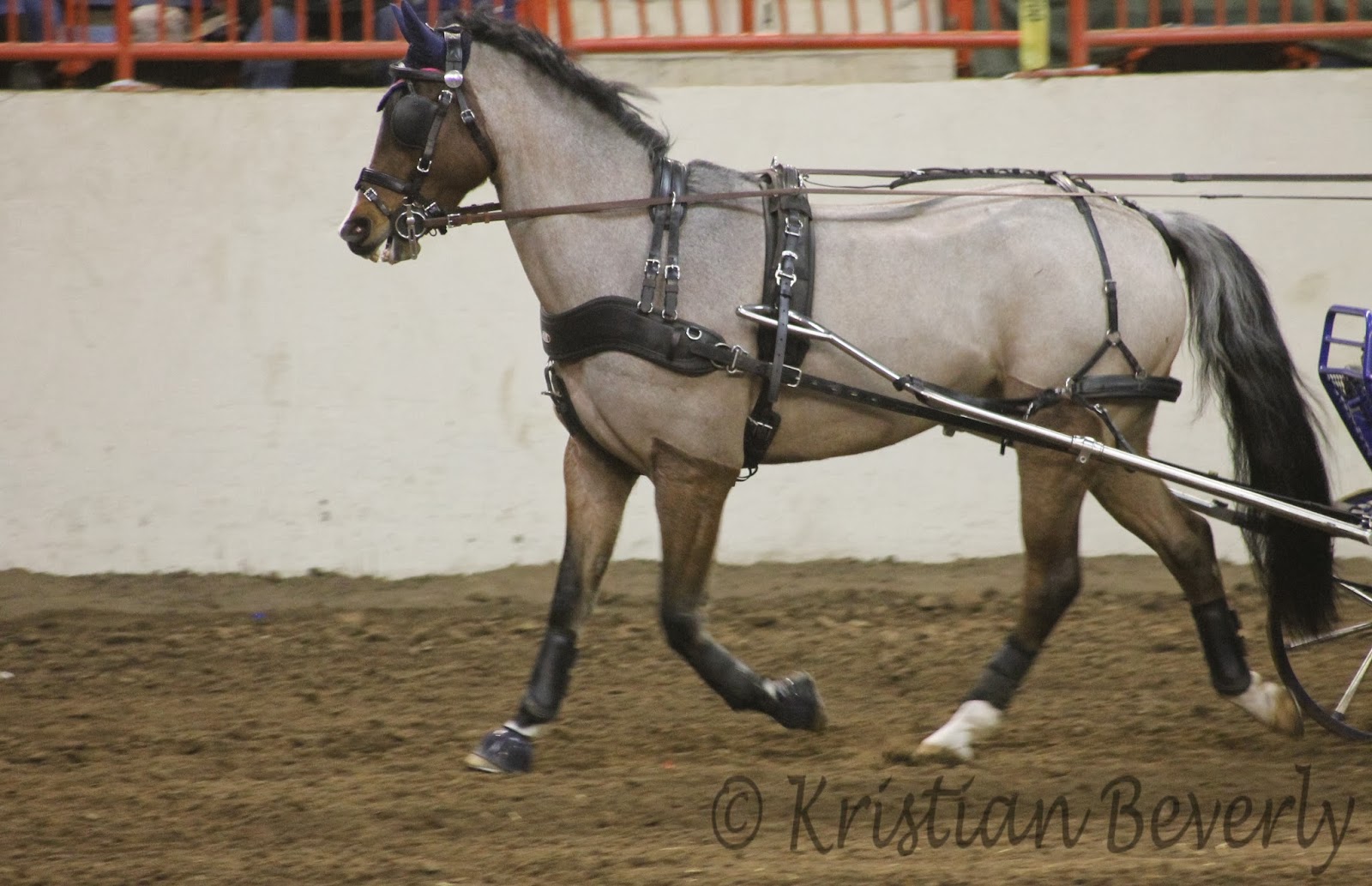
Some trotted,

Others galloped.

Some dropped their pace when they maneuvered around obstacles,

while others kept up a fast pace.

Equipment picture.

PS. Feel free to use my pictures for performance! If you use them for a setup, I’d love to see pictures of it!

Roping

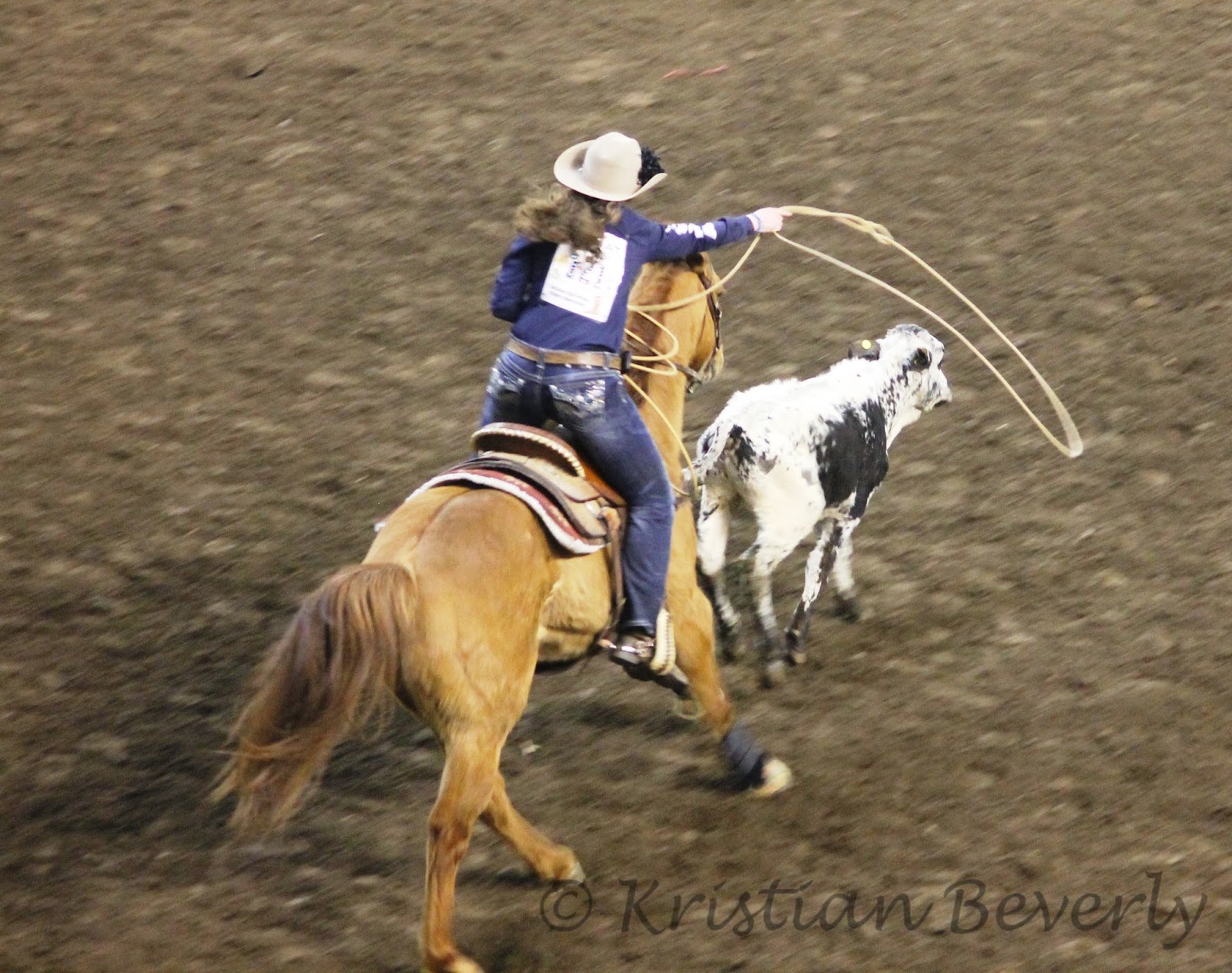
There were three types of roping that I saw at the rodeo: Calf Roping/tie down, breakaway roping, and team roping.
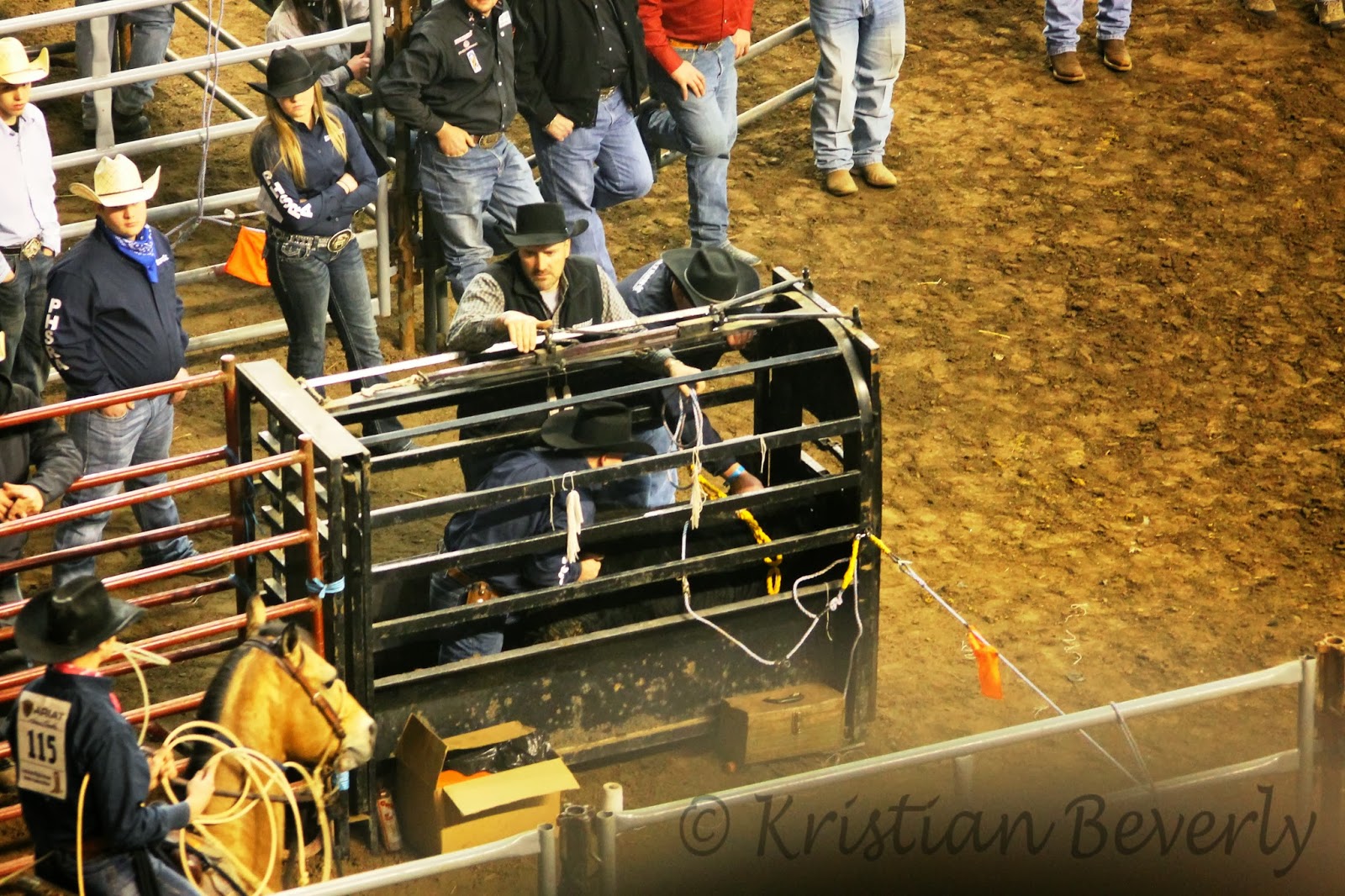
In calf roping/tie down roping, the calf started in the chute, with a light rope(string like) wrapped around its neck.

Once the rider nodded his head, the chute opened, and the calf started to run. Once the calf got to the end of the rope, the barrier in front of the horse came down, and the horse flew after the calf. The rider threw the rope and if it landed on the calf, the horse stopped, while the rider dismounted and threw the calf, tying it.

For a better explanation of the event there’s a great post on Braymere Custom Saddlery
Breakaway roping was similar to the calf roping/tie down roping, except for the rider roped the calf, pulled the horse to a stop, while the calf continued forward until the rope ‘broke’ and released the calf to continue running.

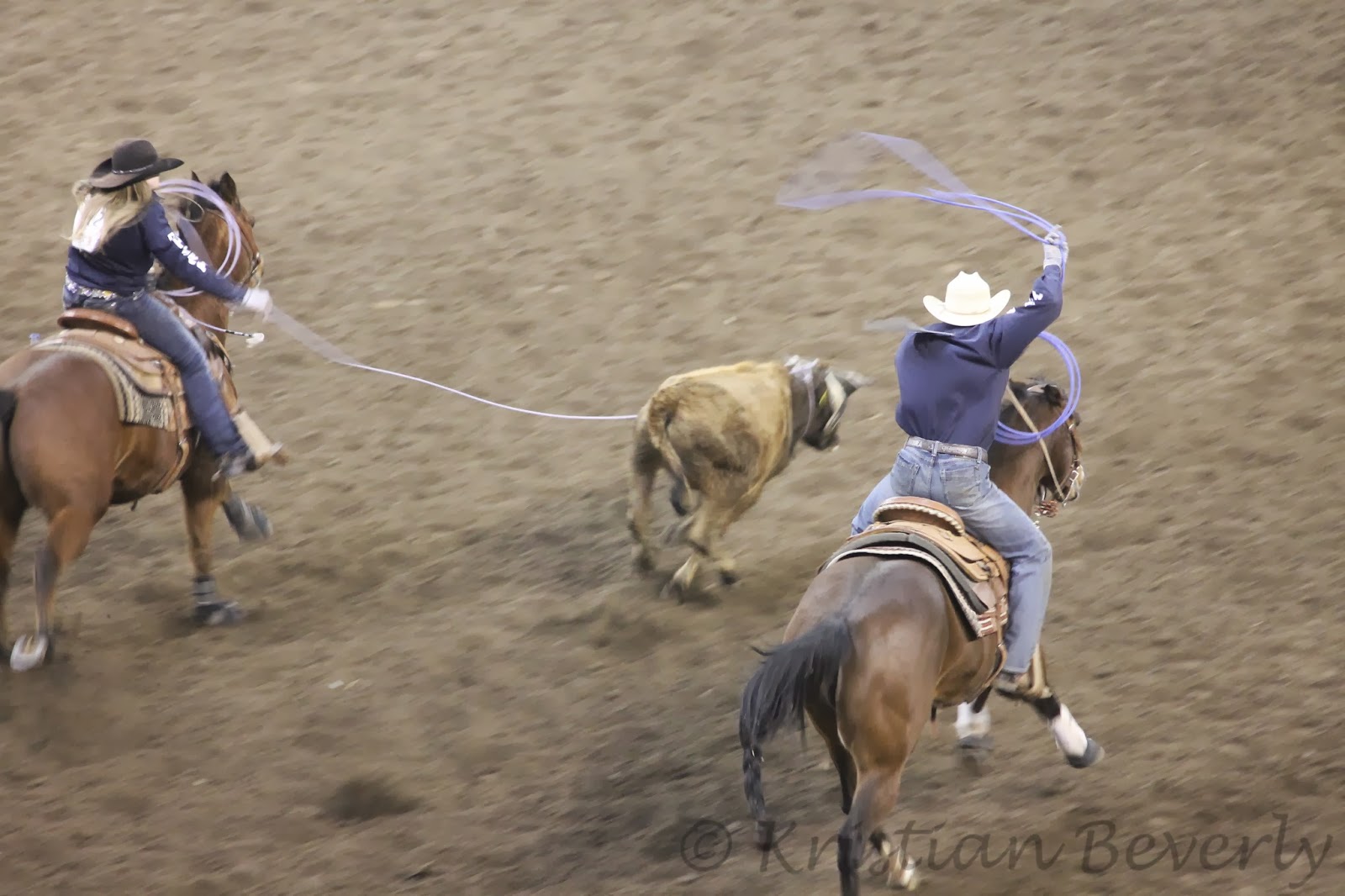
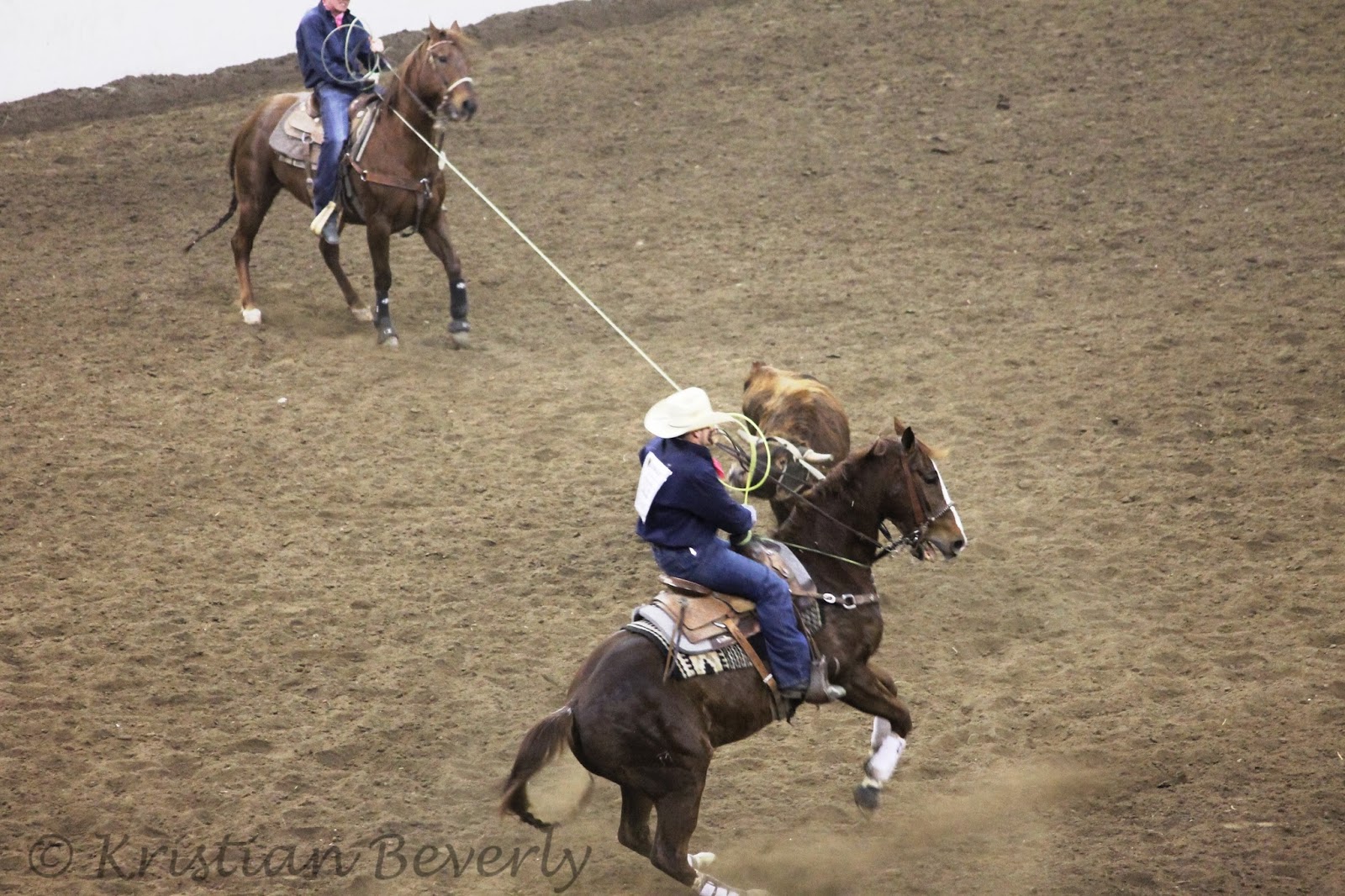
Team roping consisted of two ropers.
The ‘header’ or first roper, roped either both horns, one horn and the head, or the neck. 
The header turned the steer, and the ‘heeler’ or second roper, roped the steer’s hind legs. 
Poles

Pole bending is very similar to barrel racing. It is a timed event, so the fastest horse wins. If a pole falls, there is a five second penalty added to the completed time.

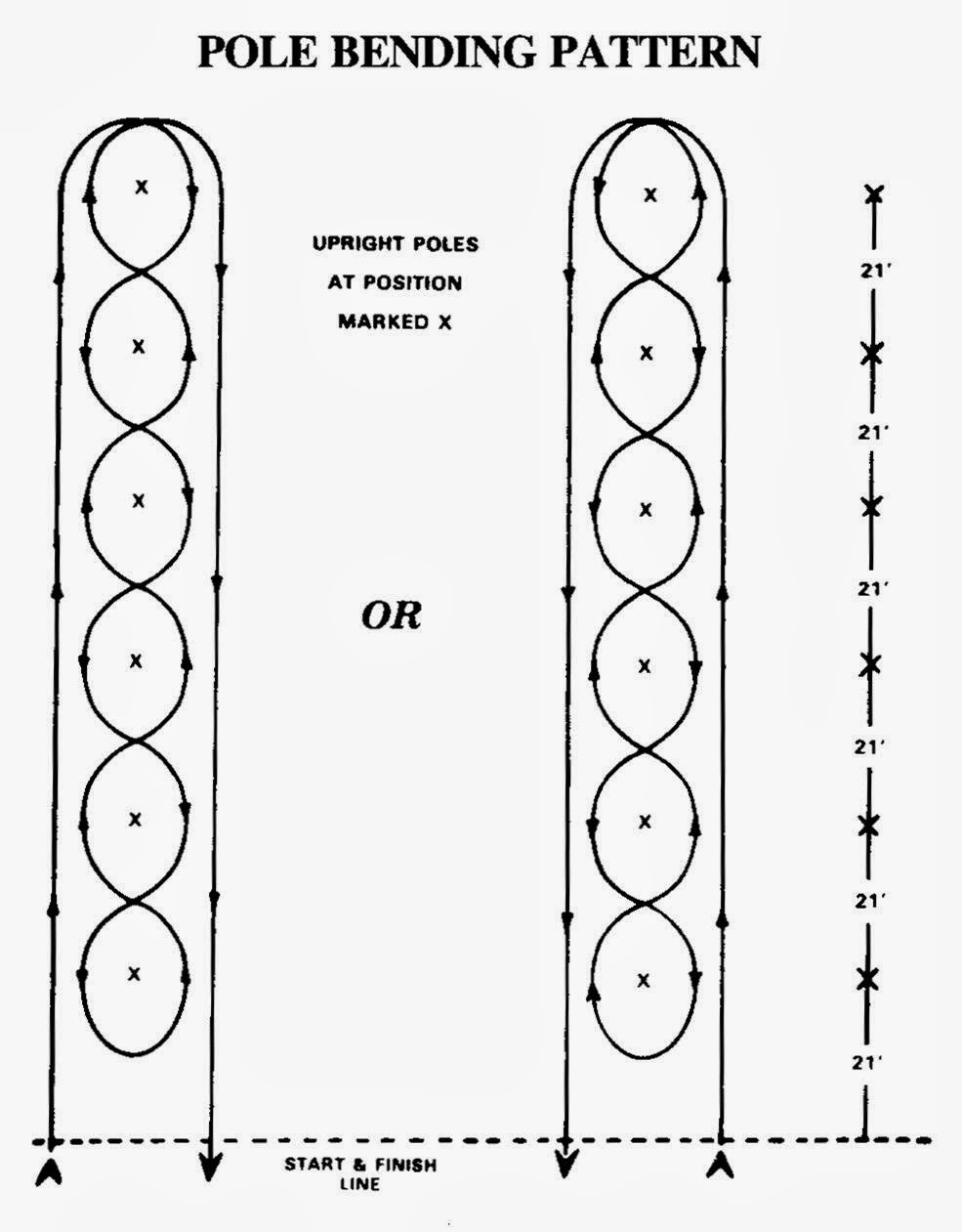
The course pattern looks like this. 
Source

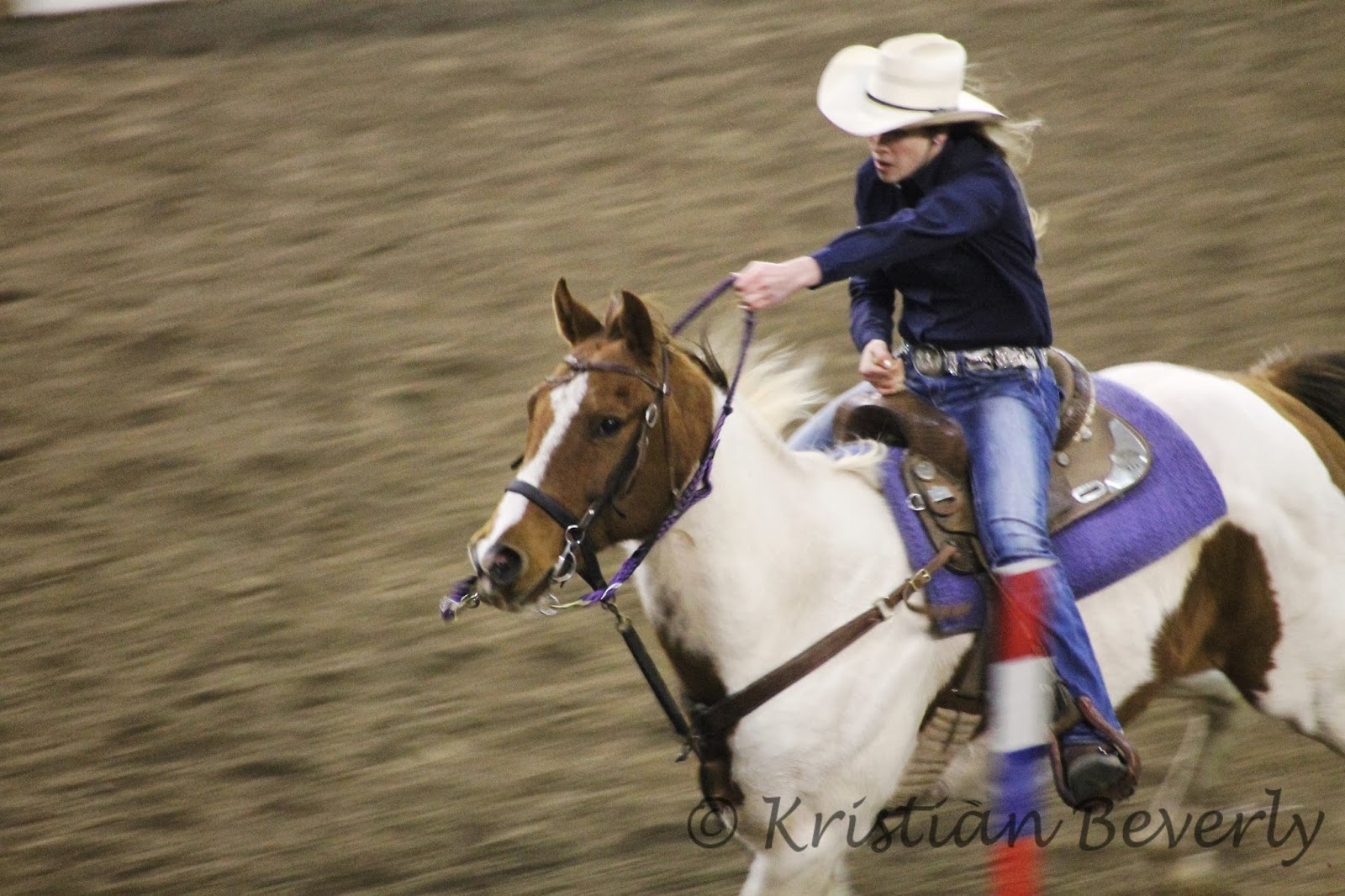
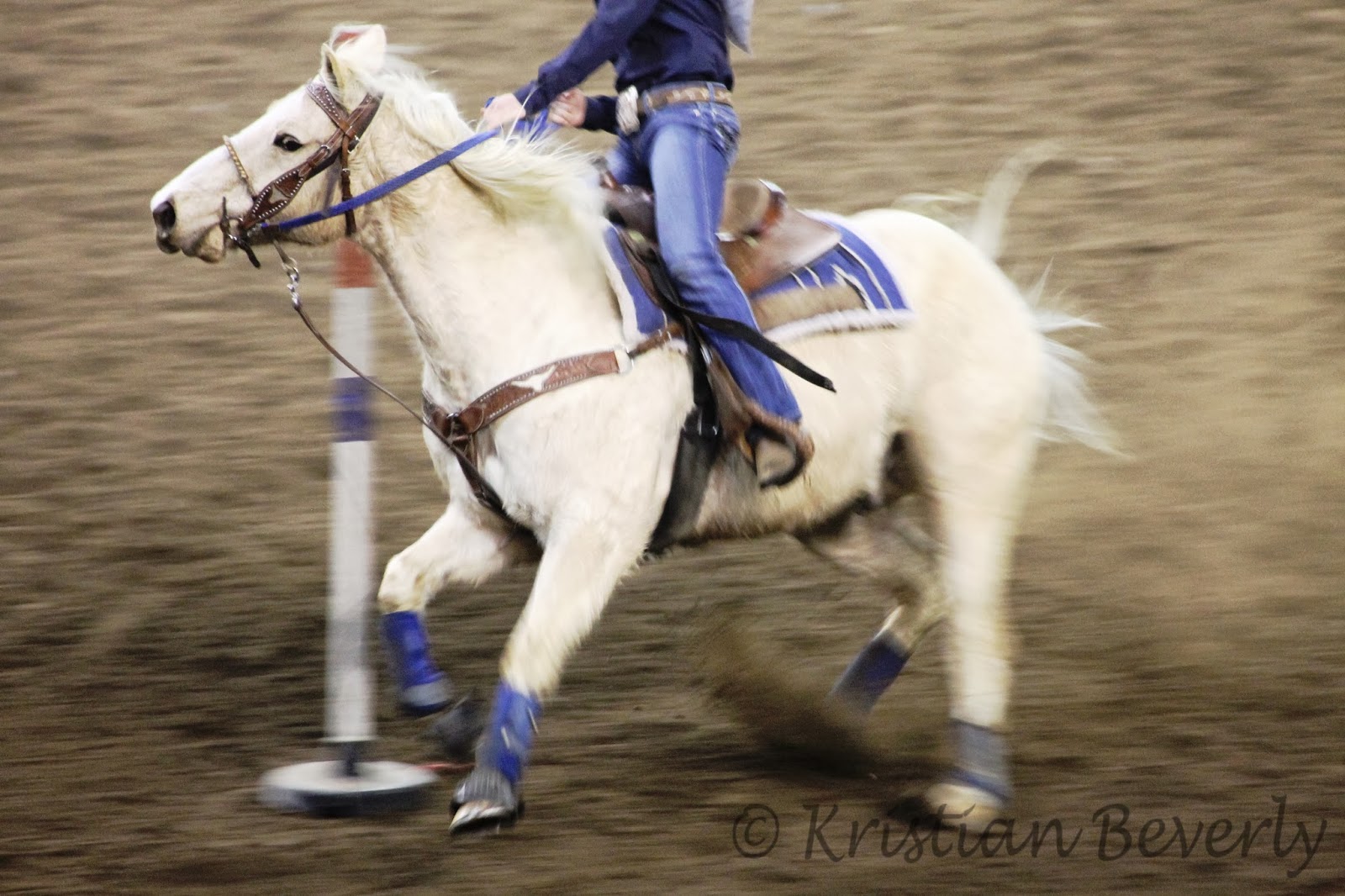
The horse and rider take off to the last pole,

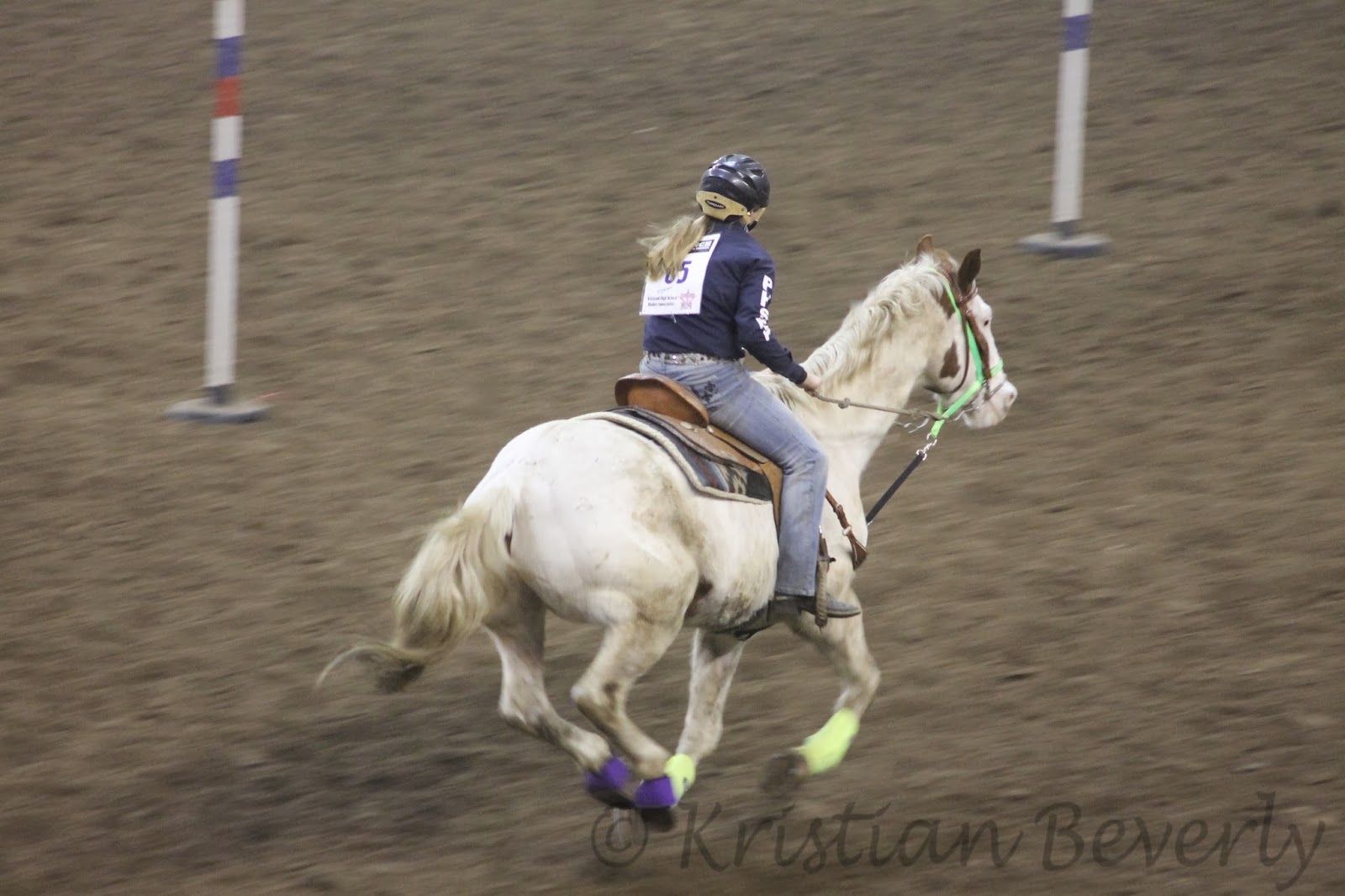
 and takes a turn.

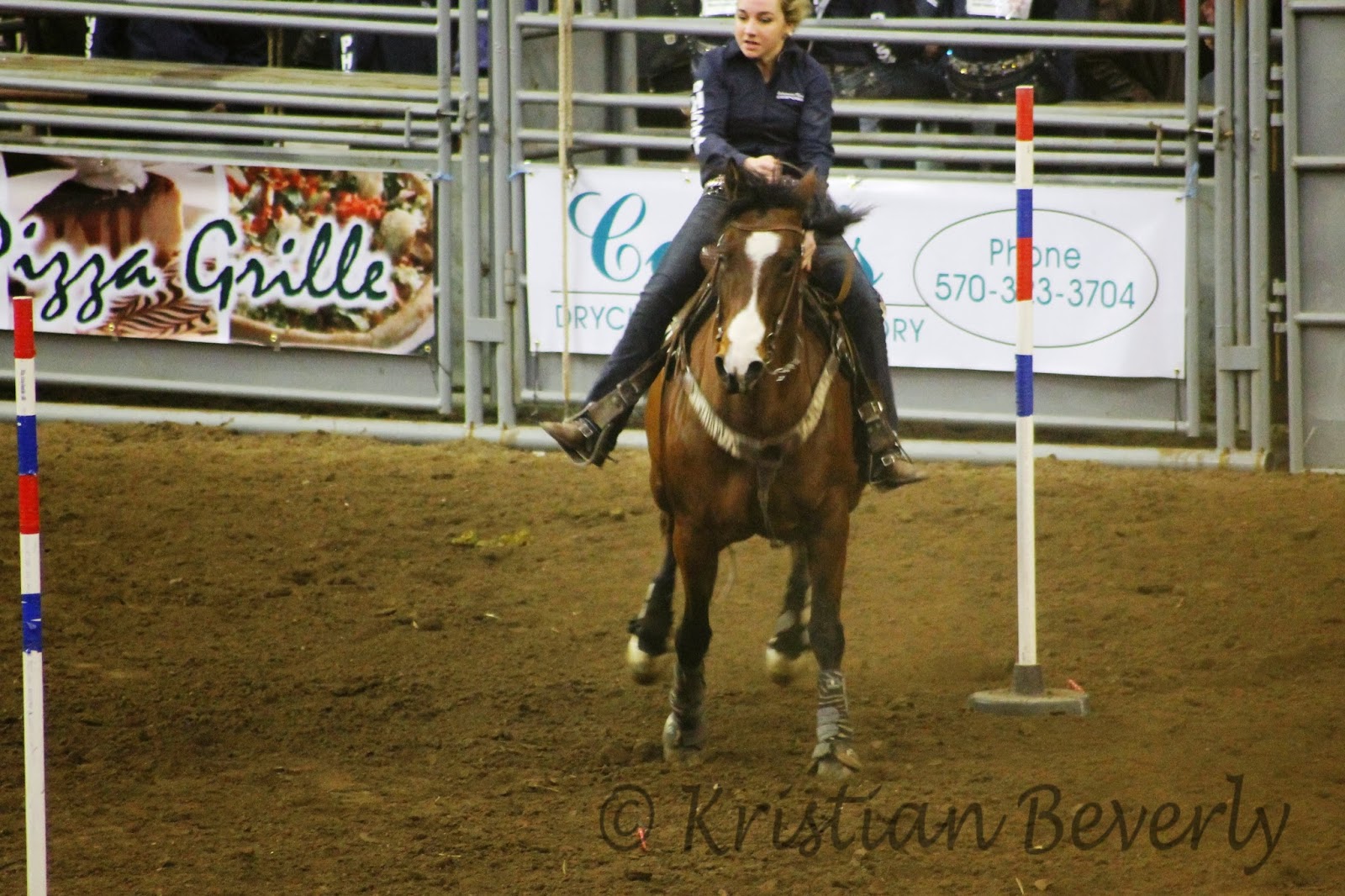
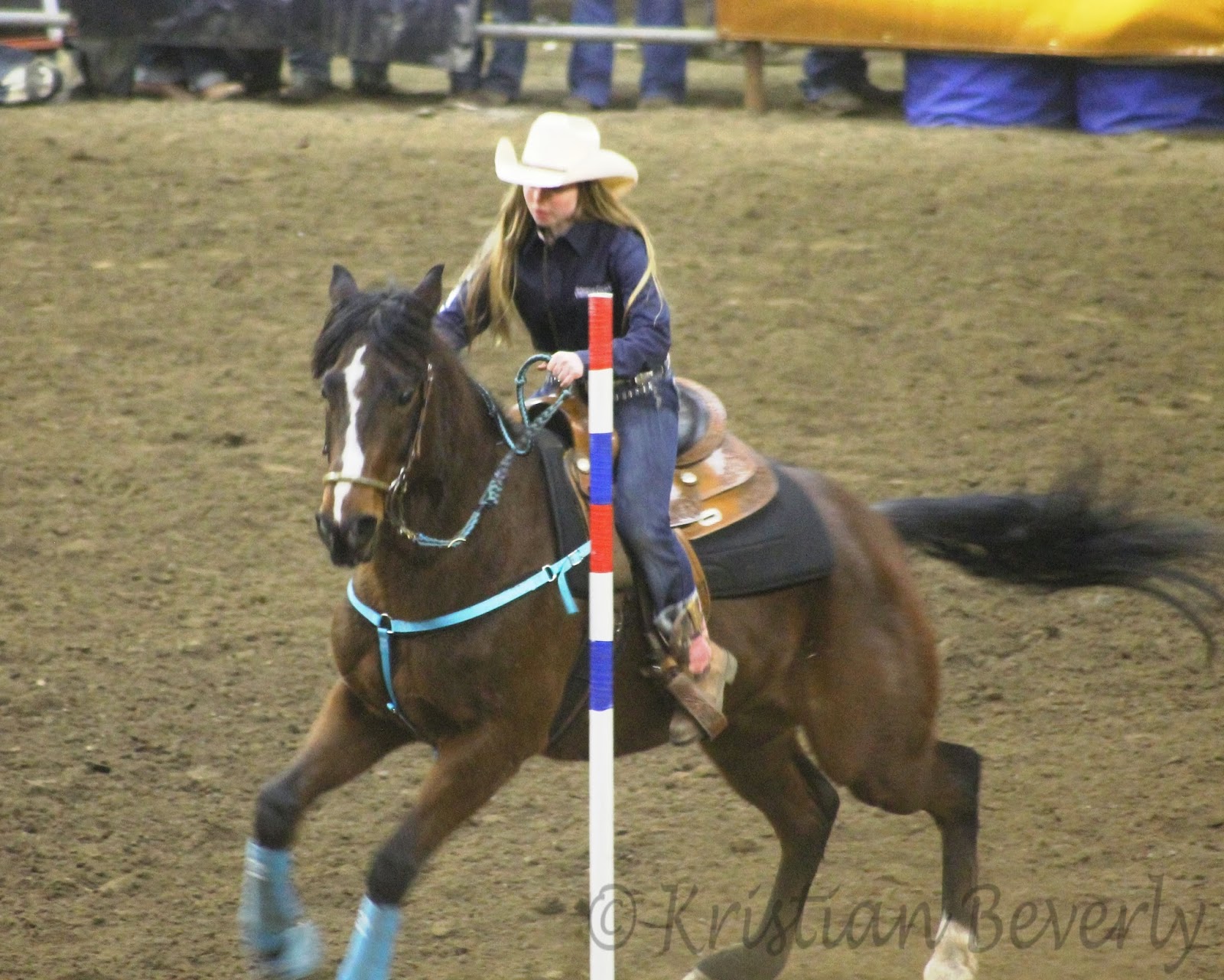
They maneuver through the six poles and hope to not hit one. The horse switches leads at every pole.

Then the pair turns at the last pole,

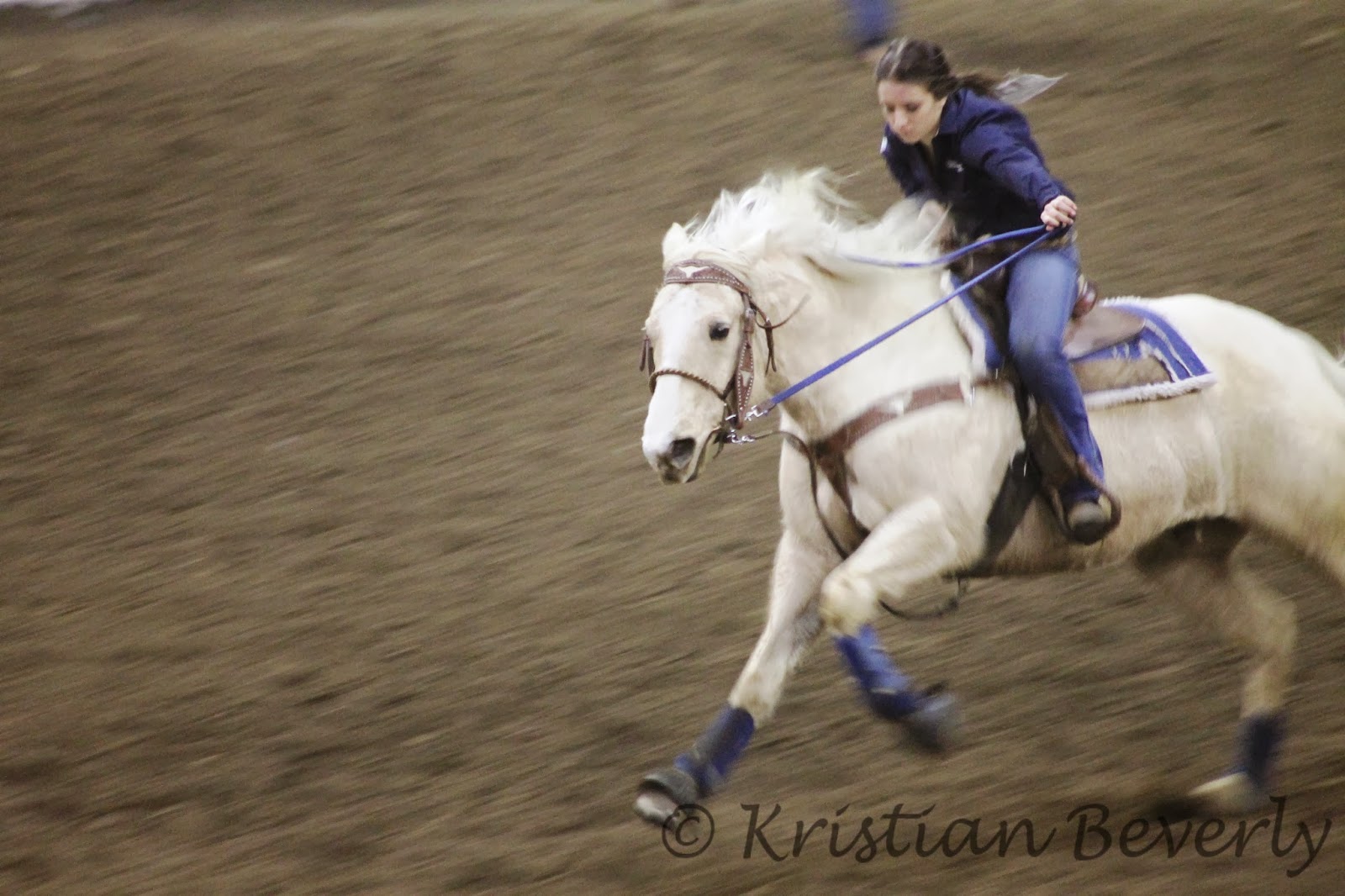
and gallops home.

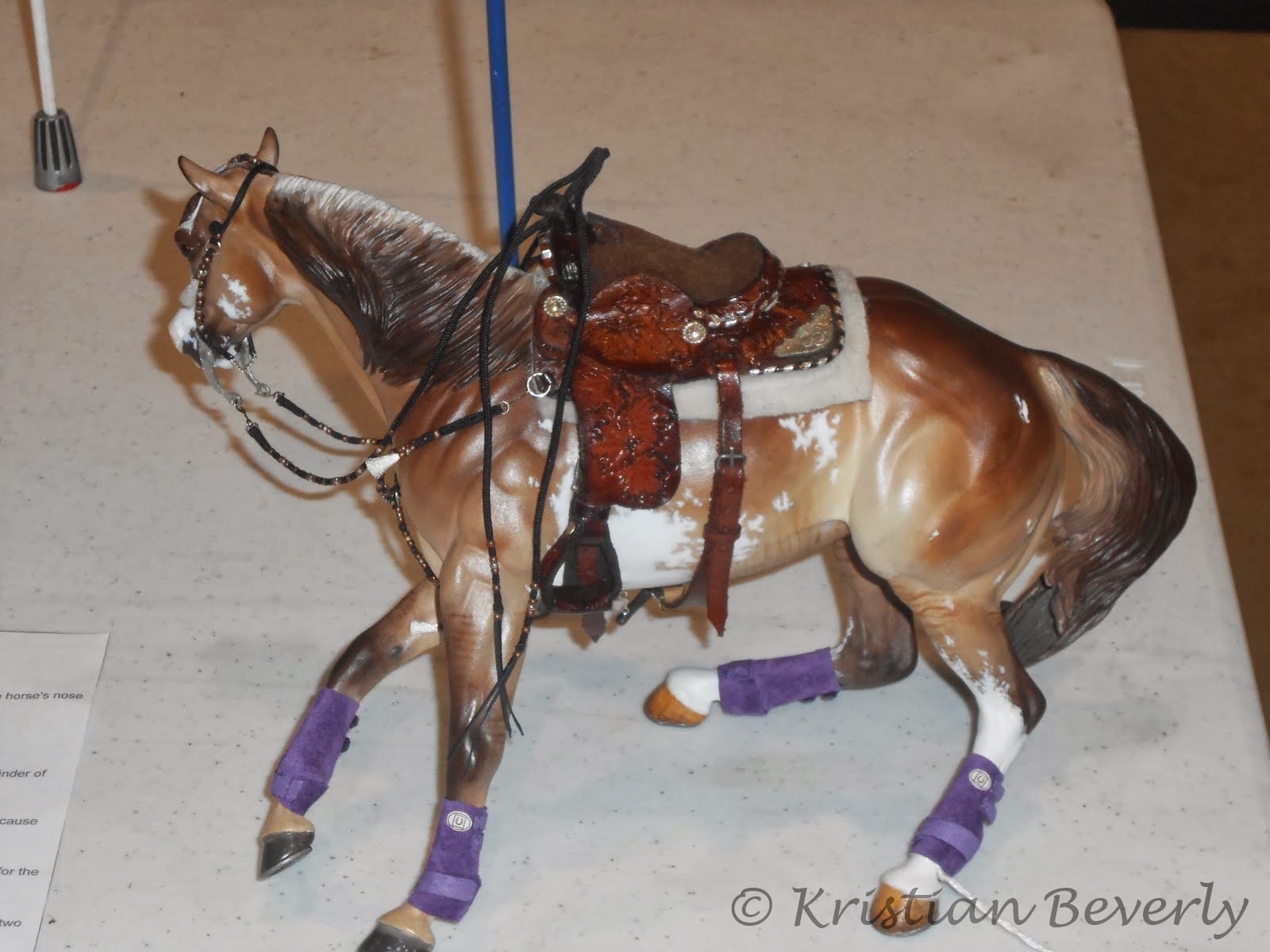
Model horse wise, the same ones listed in barrels could be used (Scamper, Ruffian, Smarty Jones, Flash). Walking/trotting models also could be used (John Henry, Giselle, and other walking/trotting models). Those models would be entered into the walk/trot poles. Same pattern, slower speed.
This is another good beginner performance entry. You only need a saddle, bridle, and at least one pole. The poles are easy to make, but slightly harder than the barrel. This is a nice link showing you how. To make the bottom of the pole, you can use a filled in milk cap, or go to a craft store and buy the wooden circles with a hole in the middle (Sorry! The actual name has completely left my mind). 
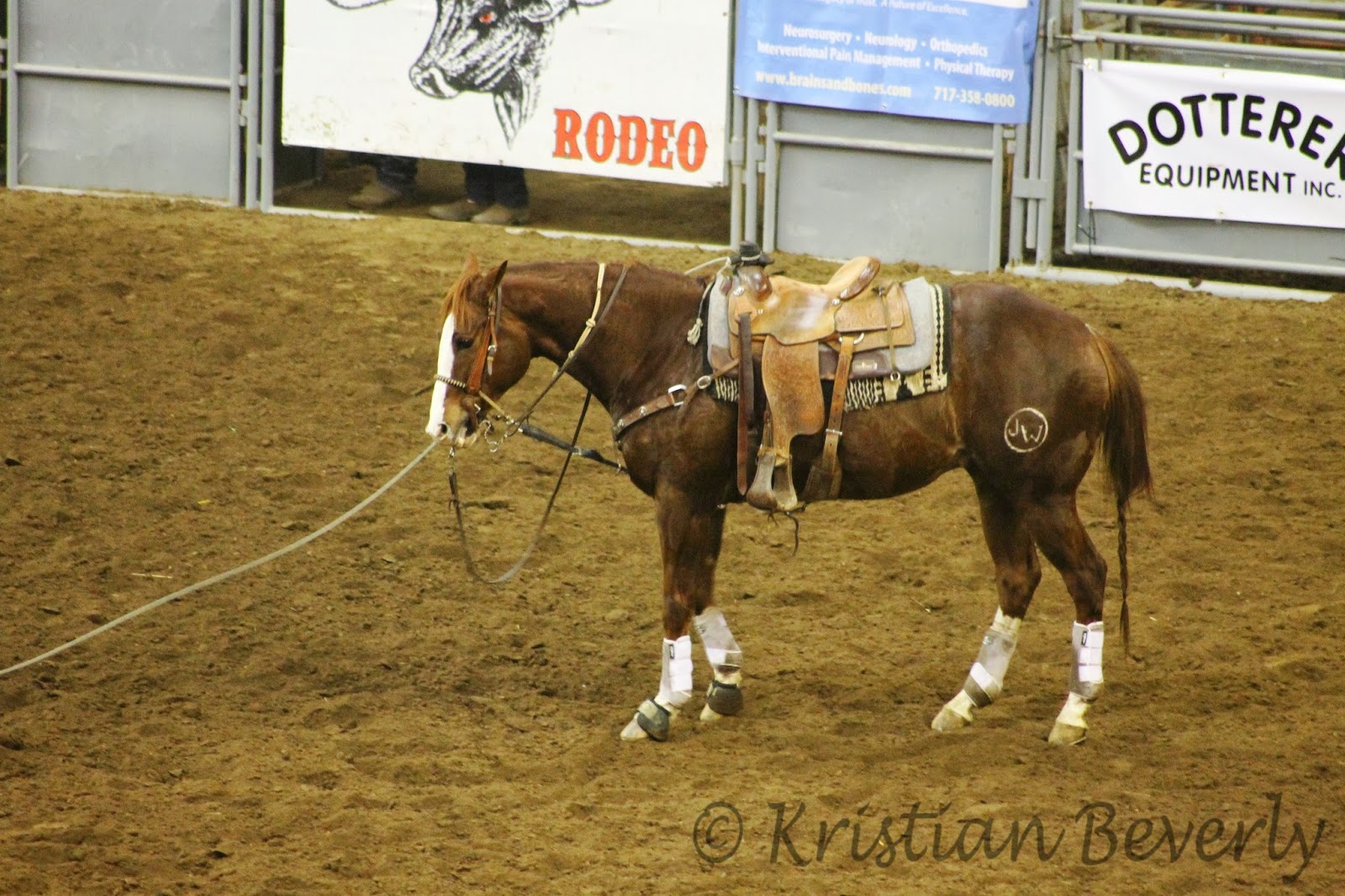
The horses I saw wore boots on at least the front legs. Because of the rapid movement, a breast collar was also worn. Tie downs and nosebands can be used.  The only rule is no bare metal on the horse’s head. 
For the riders, the dress code is basically the same as for Barrel Racing. The rider should have a long sleeved shirt and cowboy hat or a helmet.