How To Prep Leather Lace

One of the most important parts of tack making is prep work. You can’t have a nice finished product if the material used is sloppily prepped. Prepping leather is far from my favorite thing to do, even if I do love the end result.
Leather lace is different from cow hide. It generally doesn’t need to be dyed, sealed, or split. It’s finished but not enough for a hobbyist. To make lace model horse friendly, one must prep it. It’s one of those skills that applies to all aspects of tack making.
Supplies

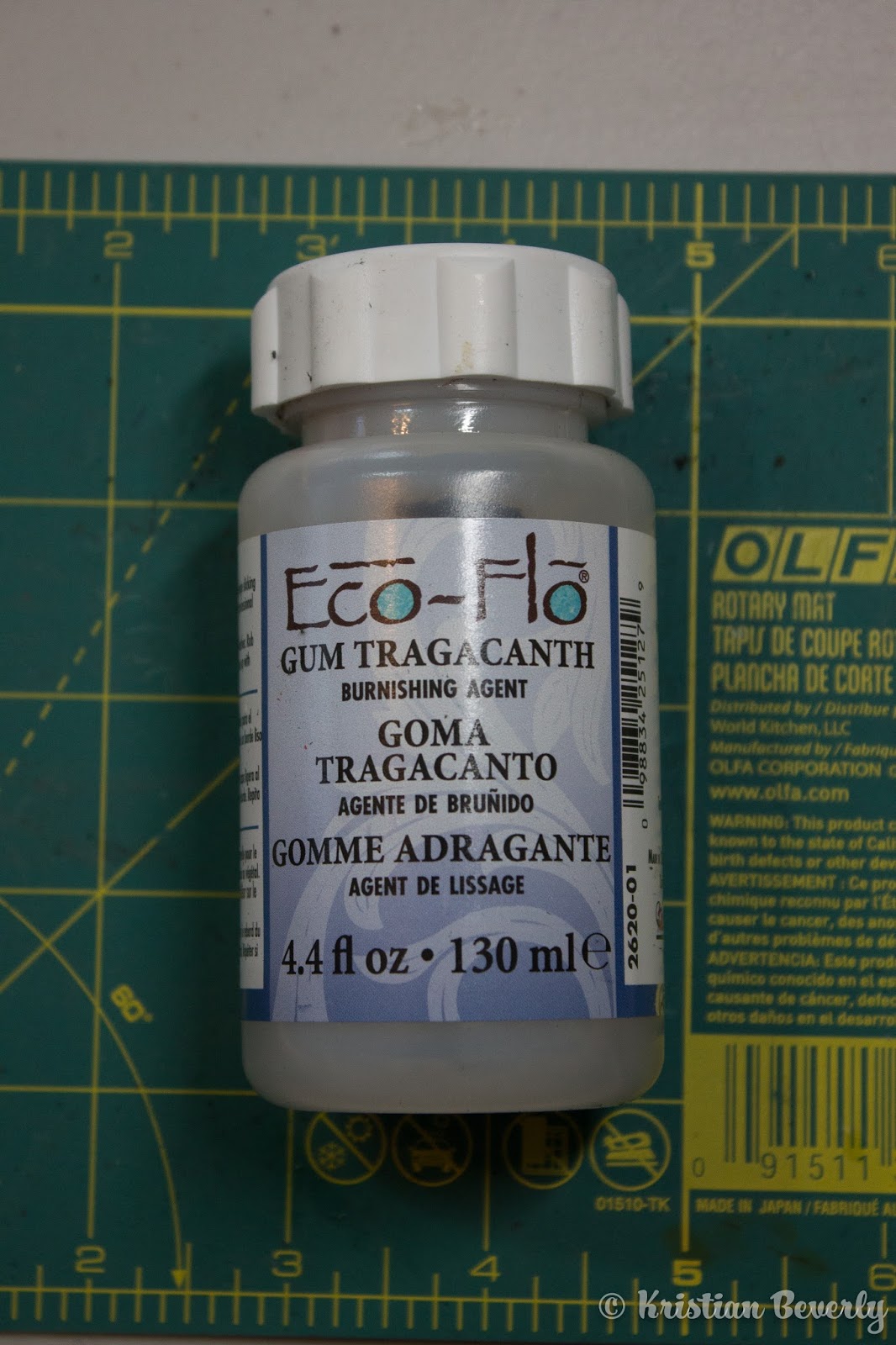
Gum Tragacanth

This is used for sealing and smoothing your leather. It has a gel like consistency and you don’t need to use a ton on the lace you’re prepping.
Safety Beveler

This is what I use to skive/thin the leather. IT’S THE BEST THING EVER. I like my blade to be a little bit dull, so whenever I get a new blade I use it to thin large pieces of tooling leather before using it on lace. 
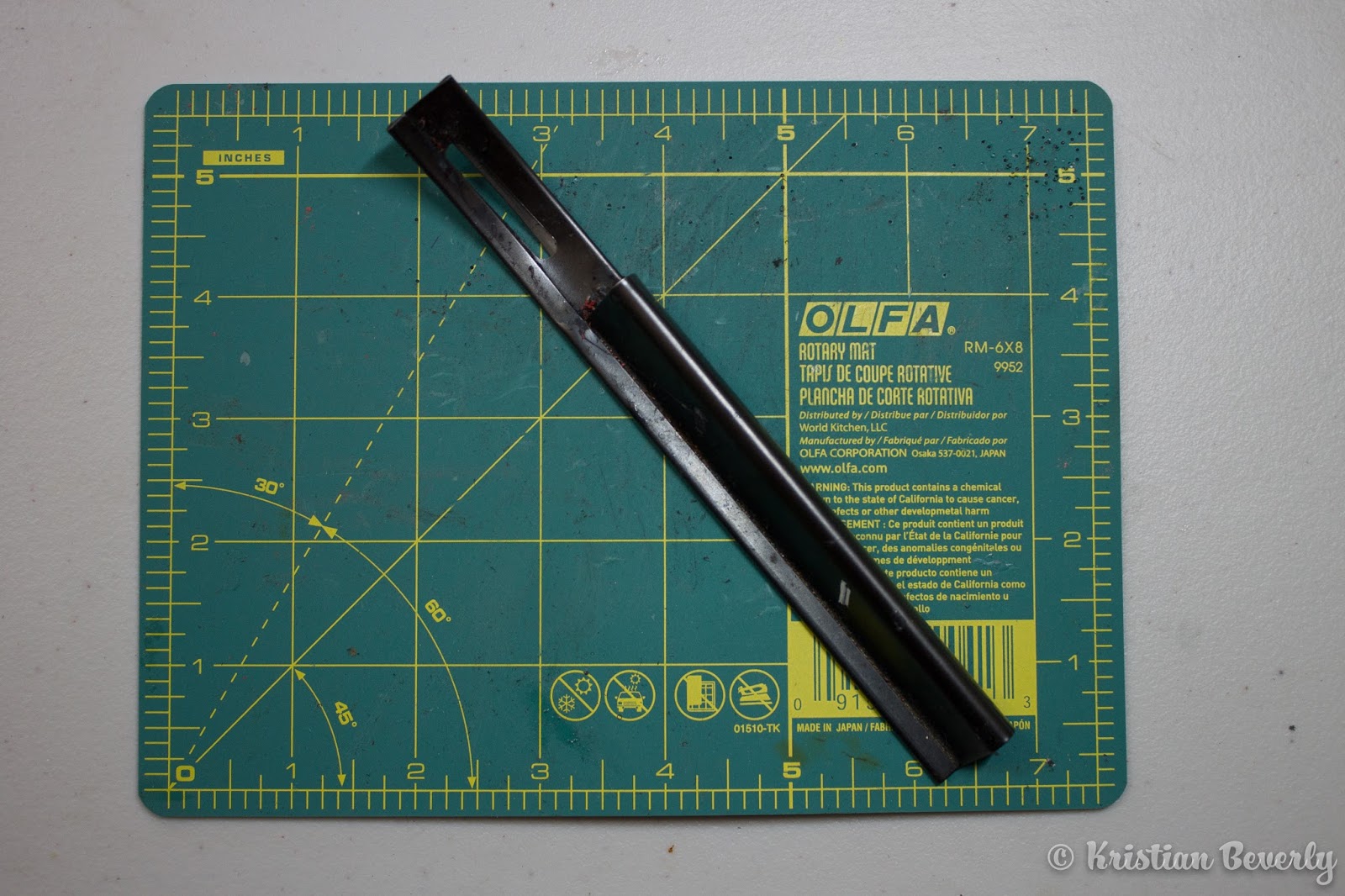
Rivet Maker Hobby Tool Master Tools Trumpeter Scale Model Accessory

I use this to make faux stitch marks on lace. It adds the next level of detail. I used to use another one until I came across this one because it has a higher marks per inch. I did modify mine so the teeth of the wheel can dig into the leather a bit more. I took the outer layer off, which can be seen in the video at the bottom of the post.
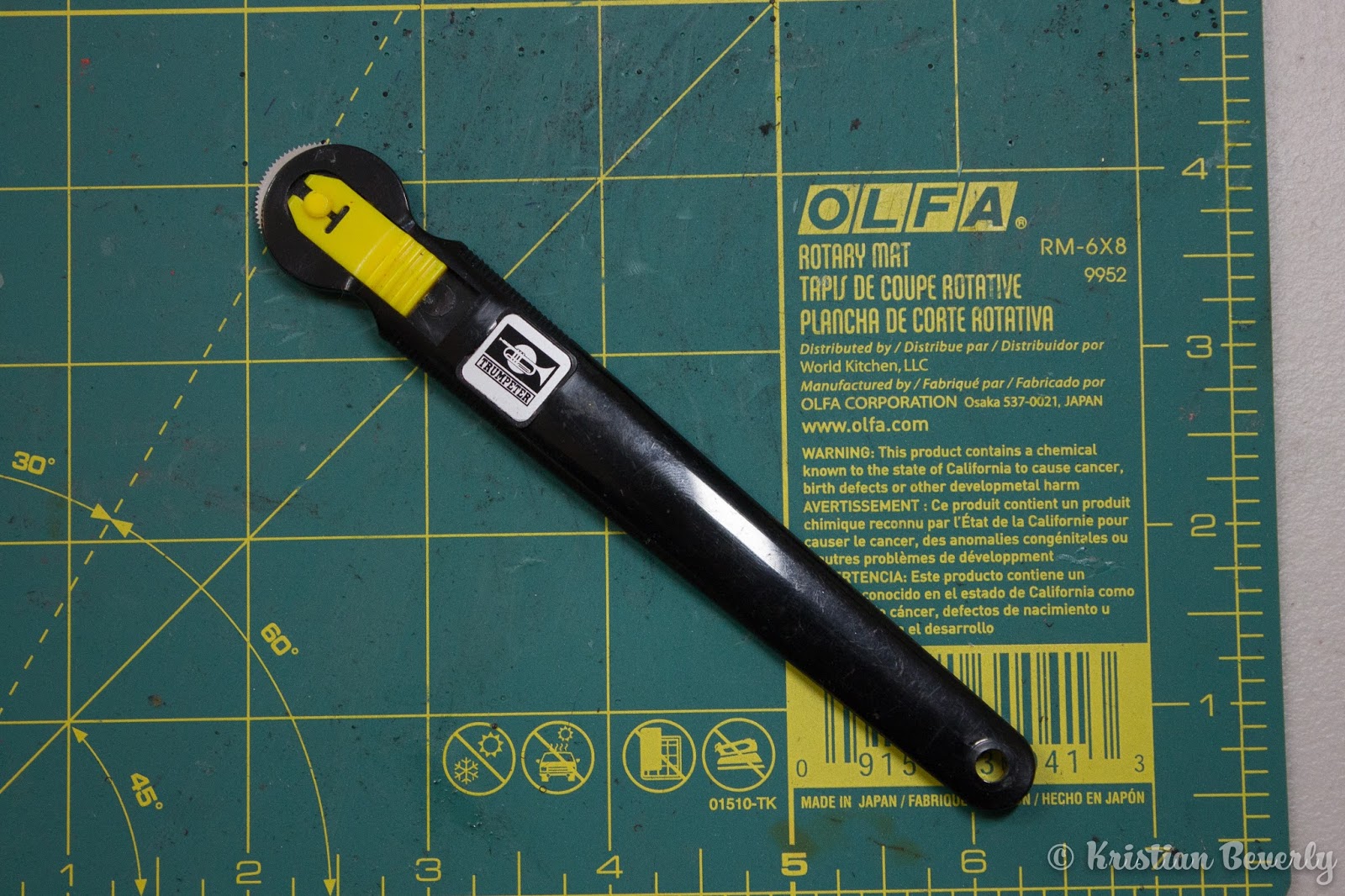
X-Acto Knife

I use this to cut lace and cut away any fuzzy bits. You can get one of these at pretty much any craft store. The blade size doesn’t really matter. I never spend a lot of money on these since I have a habit of misplacing them!
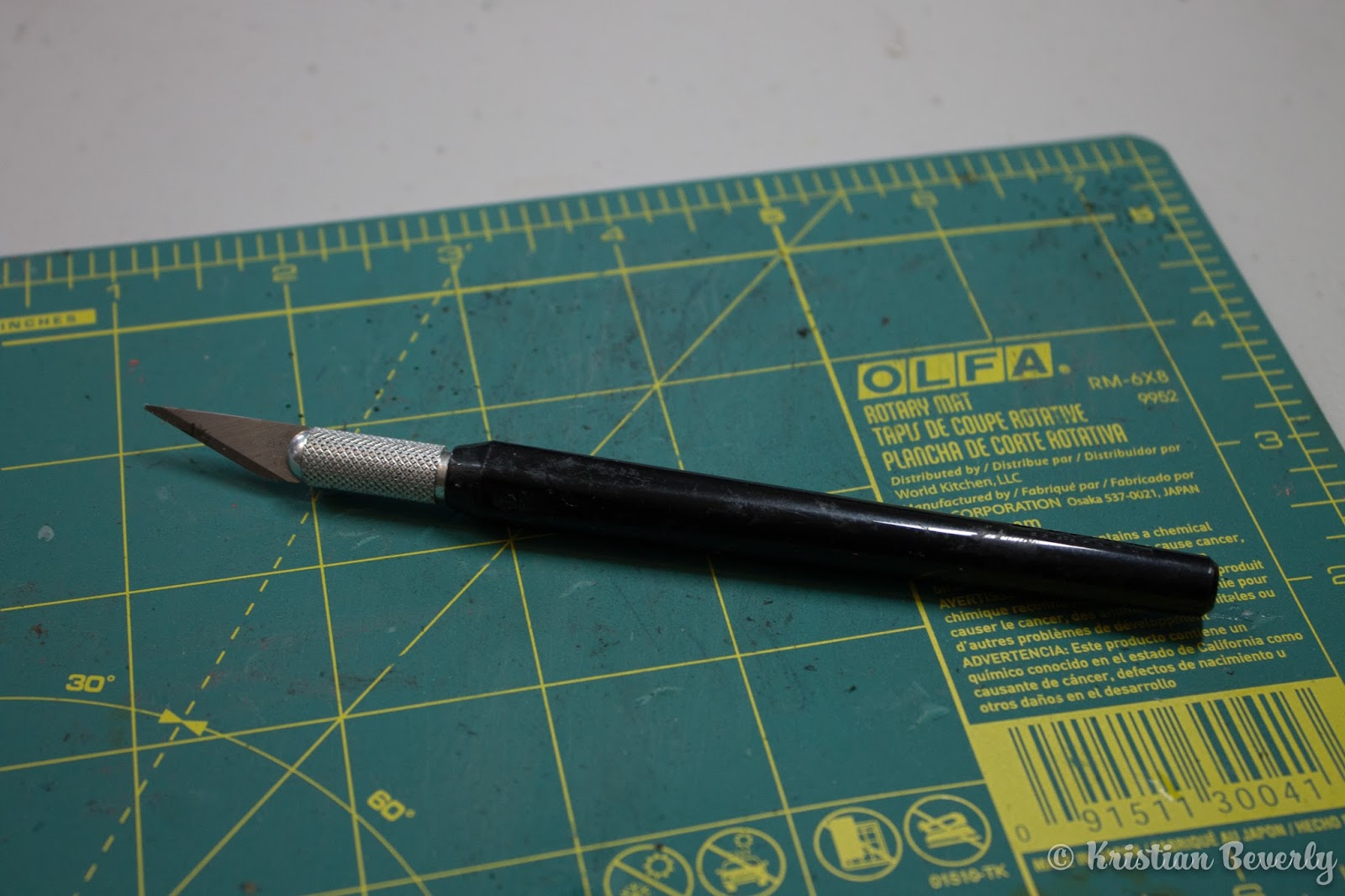
Leather Lace

I use Kangaroo Lace. I find that it’s tighter and more flexible than lace you buy at craft stores. I also like it better than calf/cow leather. If you’re serious about tack making I recommend buying higher quality materials. It’ll leave you frustrated to be in the process of learning a new skill while also battling subpar materials.
There are plenty of places to buy lace. Tandy used to carry it, and sometimes you can find a spool of it for sale.  They had nice Kangaroo lace. The last time I stocked up on lace I got it here. The seller was incredibly nice and even sent me extra lace and pieces of Kangaroo hide.
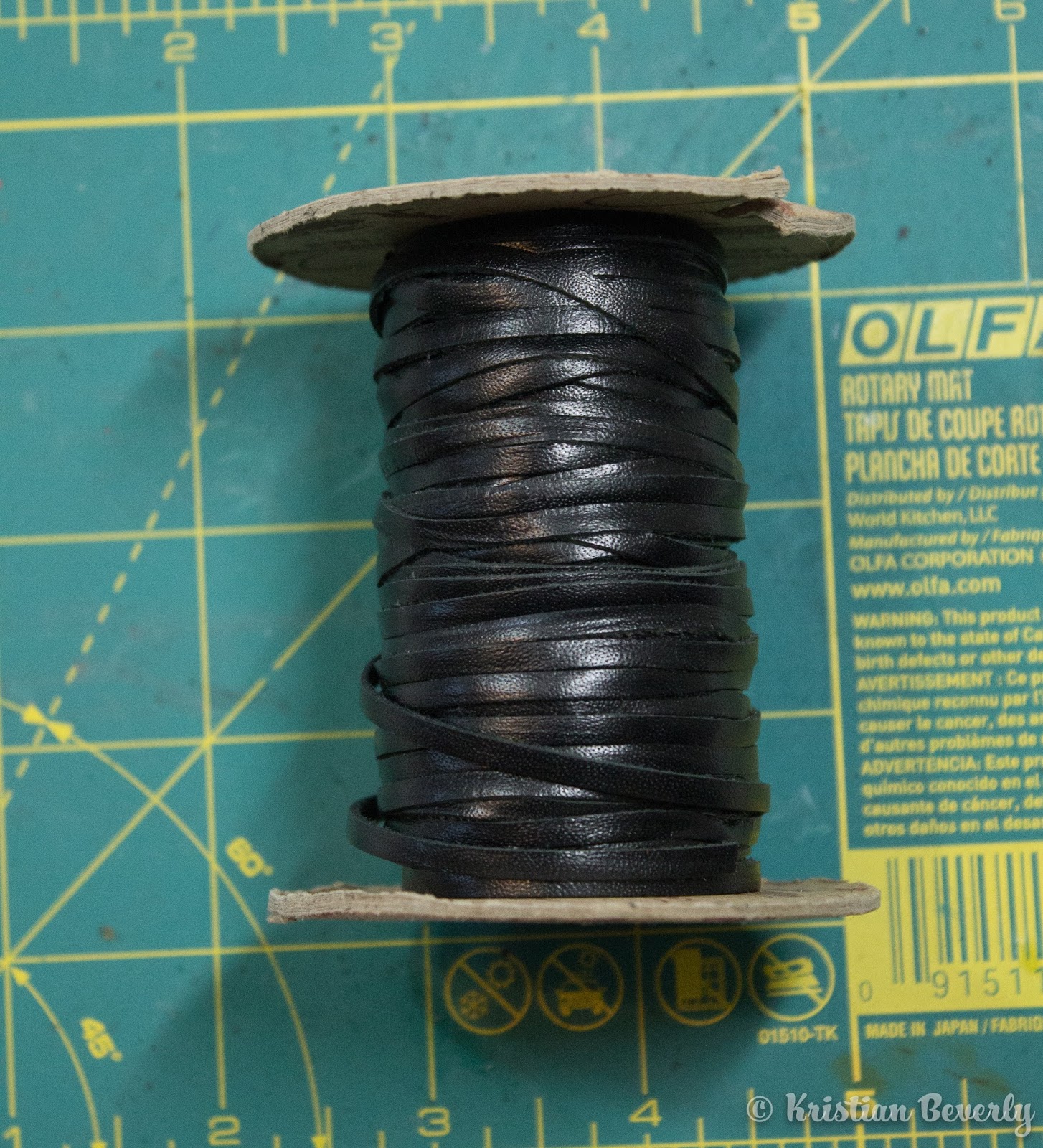
This is Tandy Kangaroo Lace

Sand Paper

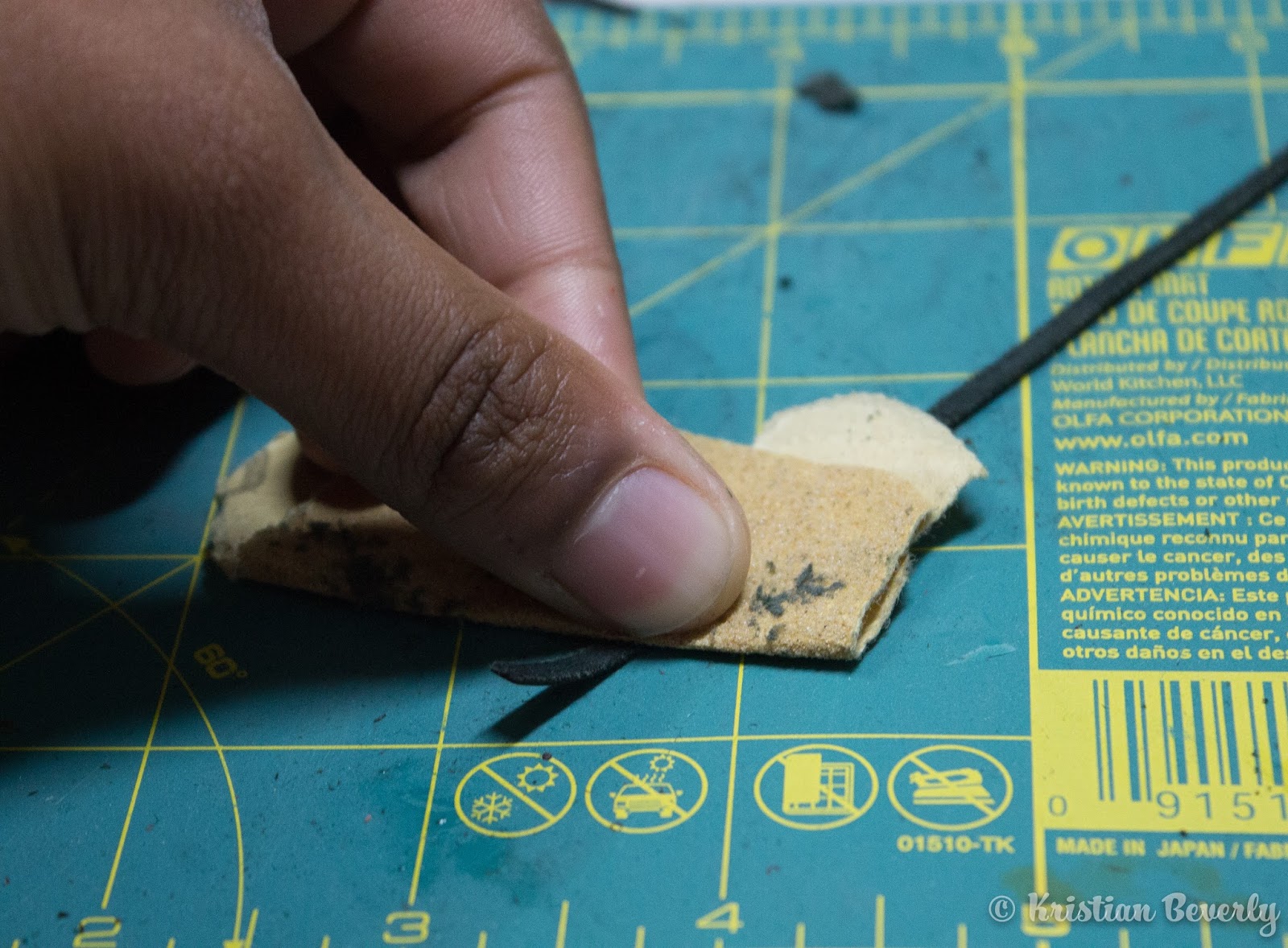
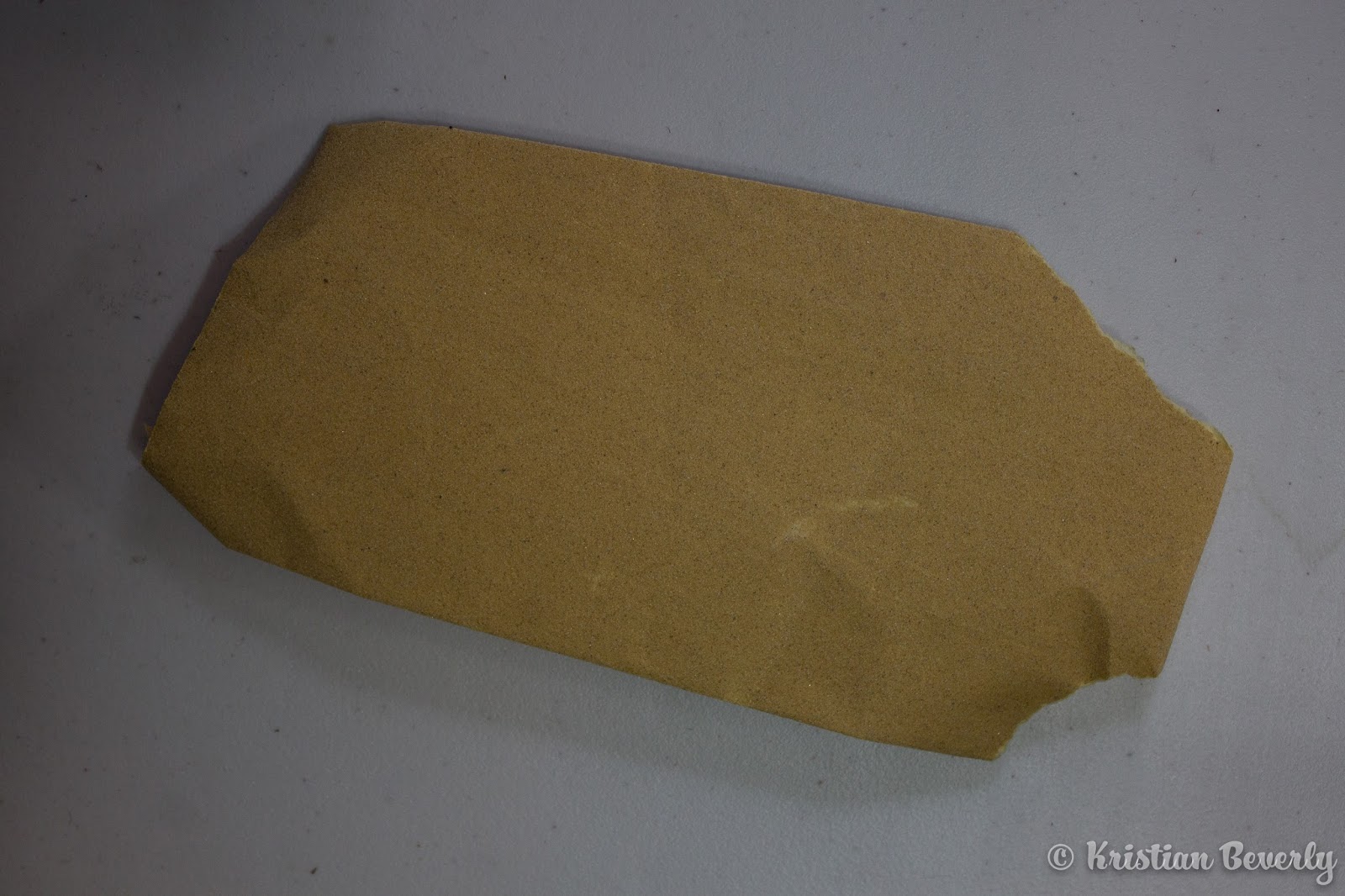
I use this to get the leather to be even throughout the whole piece. I just buy the packs of it at my local dollar store and it works perfectly fine.
The Steps

To start, take a piece of lace and the skiving tool (Safety Beveler). You want to thin the rough/off side, and not the smooth side.  I thin the leather to about half of its thickness. You want it thin enough so that it drapes nicely but not so thin that it’s like paper. Paper thin lace has its place but not for the majority of tack making processes. Paper thin lace is more likely to tear and the thinness detracts from the realism of the tack piece. 

After you’ve thinned the lace, pull out the sandpaper. You’ll want to sand the leather until it’s even and consistent through the whole piece. Then pull out the Gum Tragacanth and rub some along the rough side of the leather. You don’t want to make the leather soaking wet. You just want enough so that the leather is smooth again.

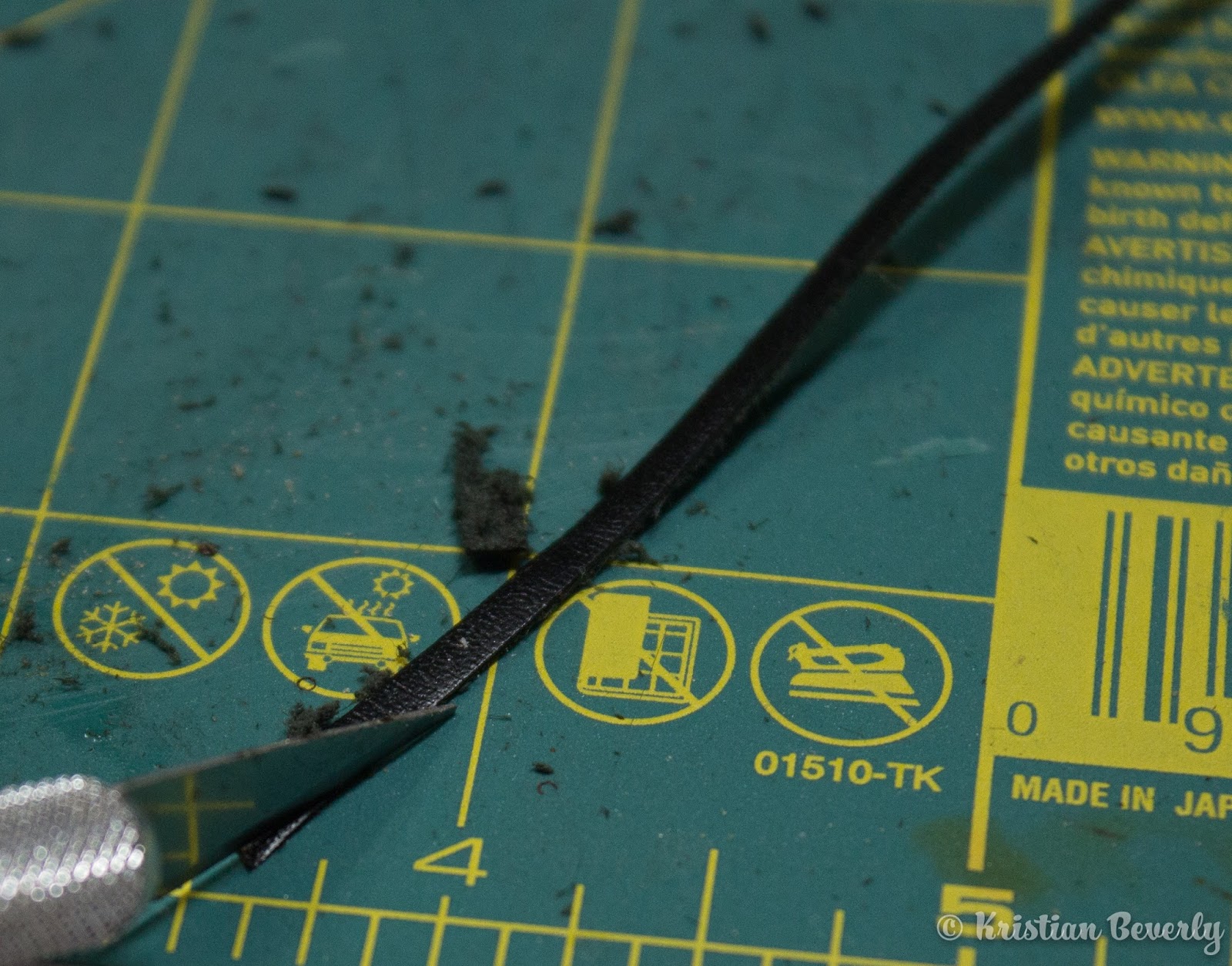
Pull out your X-acto knife and cut away any fuzzy bits along the side of the leather. The nice thing about using the skiving tool is that it usually leaves the leather pretty smooth after thinning it. But you still want to be sure that there aren’t any loose fuzzy pieces hanging out along the side. 
The last part to prepping lace is to to stitch mark. You want it to line the outside of the lace and to be able to see the impressions. Being able to get the lines straight takes some practice. 
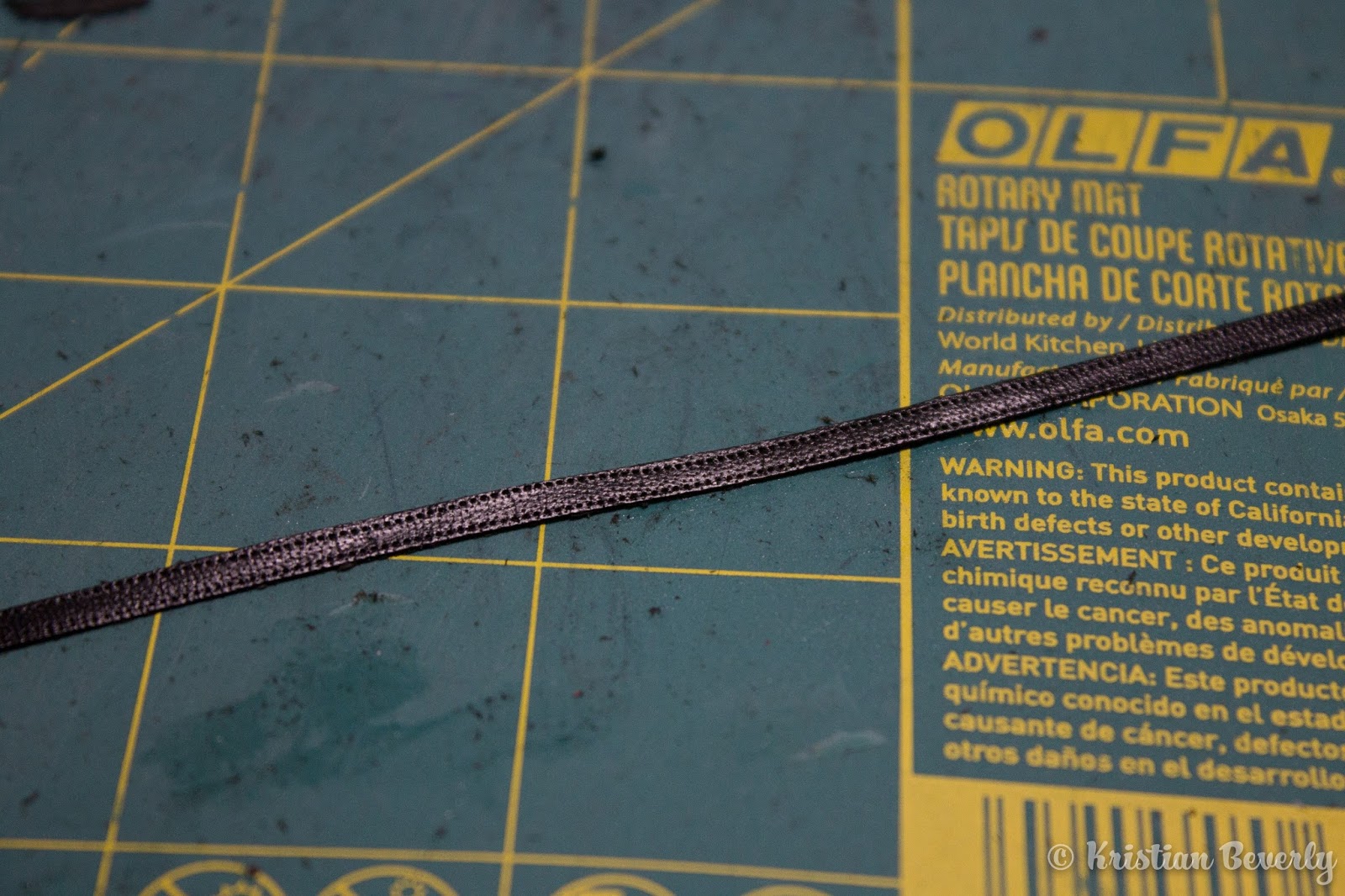
Once you’re finished with that your lace is ready for whatever tack project you want!

Video:

Every tack maker has his or her own particular way of skiving. Here are a few links to some other tack makers that share how they do it. 
Jennifer Buxton of Braymere Saddlery-Preparing Lace
Anna Helt of Dreamlite Design-Skiving Part One and Two

Feel free to let me know what you think about this! This is a new way I’m hoping to do how-to things, so any feedback would be great. 🙂

How To Document Weird Things

I was asked a question about documenting weird things that occur in common breeds. So here it goes. The first thing to do when documenting anything is to ask:
a) Is the documentation allowed? 
b) Is it common?

Just because documentation is allowed doesn’t mean that it needs to be used. You use documentation to highlight uncommon things, because you can’t expect judges to know everything. Always follow the rules of that particular show though. In some classes documentation is needed. An example would be in an other breeds class. If the breed doesn’t fit into the commonly seen breeds then it would need documentation because it would fall under uncommon.
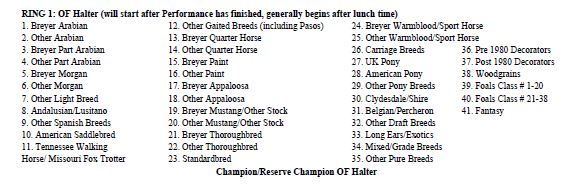
If it’s a common breed, like Quarter Horse/Thoroughbred/Shetland Pony, it shouldn’t need documentation unless your show rules say otherwise. A trick to figuring out if your breed is considered common is to look at classlist of the show. If the breed is separated and has its own class, it is common. When looking at a show packet you’ll often see something like this:


If you want to see the whole show packet, here it is.

See the breeds? Arabian, Morgan, and Standardbred have their own breed class. So they don’t need documentation unless you’re trying to show a rare color. If there’s a show packet that spells out particular breeds in the Other Light or Other Gaited, then you won’t need to document those either.
This show has the ponies split up by country of origin instead of individual breed. For ponies, you can guess which one is common or not. Breeds like Shetland, Welsh, and Quarter pony would be common. But if you aren’t sure if it is common or not, then make documentation and take notice of how many of that breed are at the show you go to.
 So when do you document common breeds? If a model is a color that is commonly found in your breed there’s no reason to document it. But if you have an obscure pattern or color that is not commonly seen, you should document it. You document it to show proof that it occurs.
How To Do This
Throwing down a picture next to your model is not enough. That doesn’t show proof because it has no sources. Sources are important for models in the same way that they’re important in school. Sources give validity to your claim that something exists. But you must use reliable sources. This is something you learn or should learn in school. It’s an important life skill, to be honest. You don’t want to be that person that reads on some website that aliens are invading a city when reliable sources say it’s an influx of birds. Discerning between reliable and unreliable sources is similar to shopping for chocolate. There’s a ton of obscure never-heard-of-before chocolate brands that aren’t sweet enough, crumble into a weird mass the second you bite into it, or don’t have its ingredients on the wrapper.
That’s similar to unreliable sources. They’re missing the components needed to make a well rounded presentation.


source

Then there’s the good brands of chocolate that are sweet enough, don’t crumble, and list its ingredients in a non-sketchy way. Good sources are not impossible to find, but they may take a minute longer than scrolling through Wikipedia (Wikipedia is a good starting point, but go down to their list of sources instead of citing the actual wiki page. Wikipedia can be edited by anyone so it isn’t as creditable compared to an actual vetted website). That extra minute of searching is worth it. First, you have a well done piece of documentation. Two, you learned something.
Researching is the key to success in model horse showing. The more you learn, the better your entries will be. In halter your models will be assigned the best breed you could possibly find. In performance, your entries will be realistic and portray an event correctly.


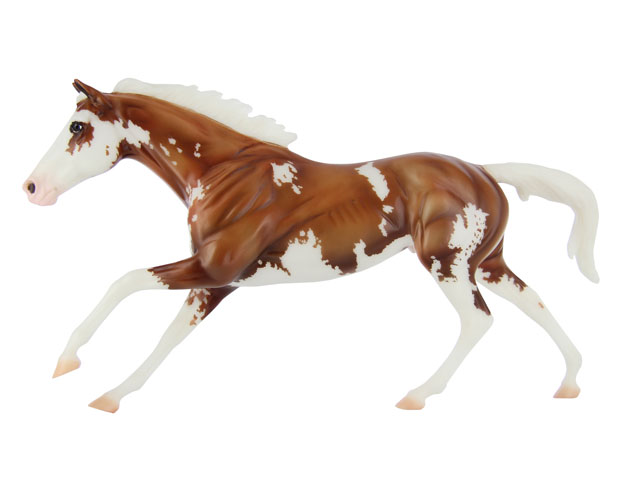
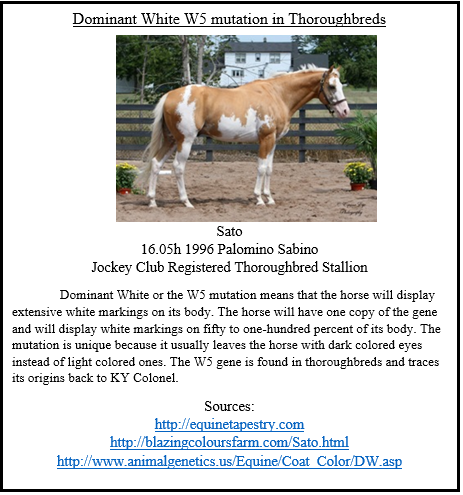
Anyways, my brain is misfiring and I can’t think of anything rare at the moment. So let’s take Sato the Thoroughbred. I don’t own a Breyer Sato but he’s still easy to make documentation for. He is an unusual color for a Thoroughbred.

Source

When using a real horse as an example for a breed you want to make sure they’re registered, which Sato is. Next you’ll want to get a clear picture of the horse. Pictures are important for showing a rare color in a breed because it gives the judge a visual.
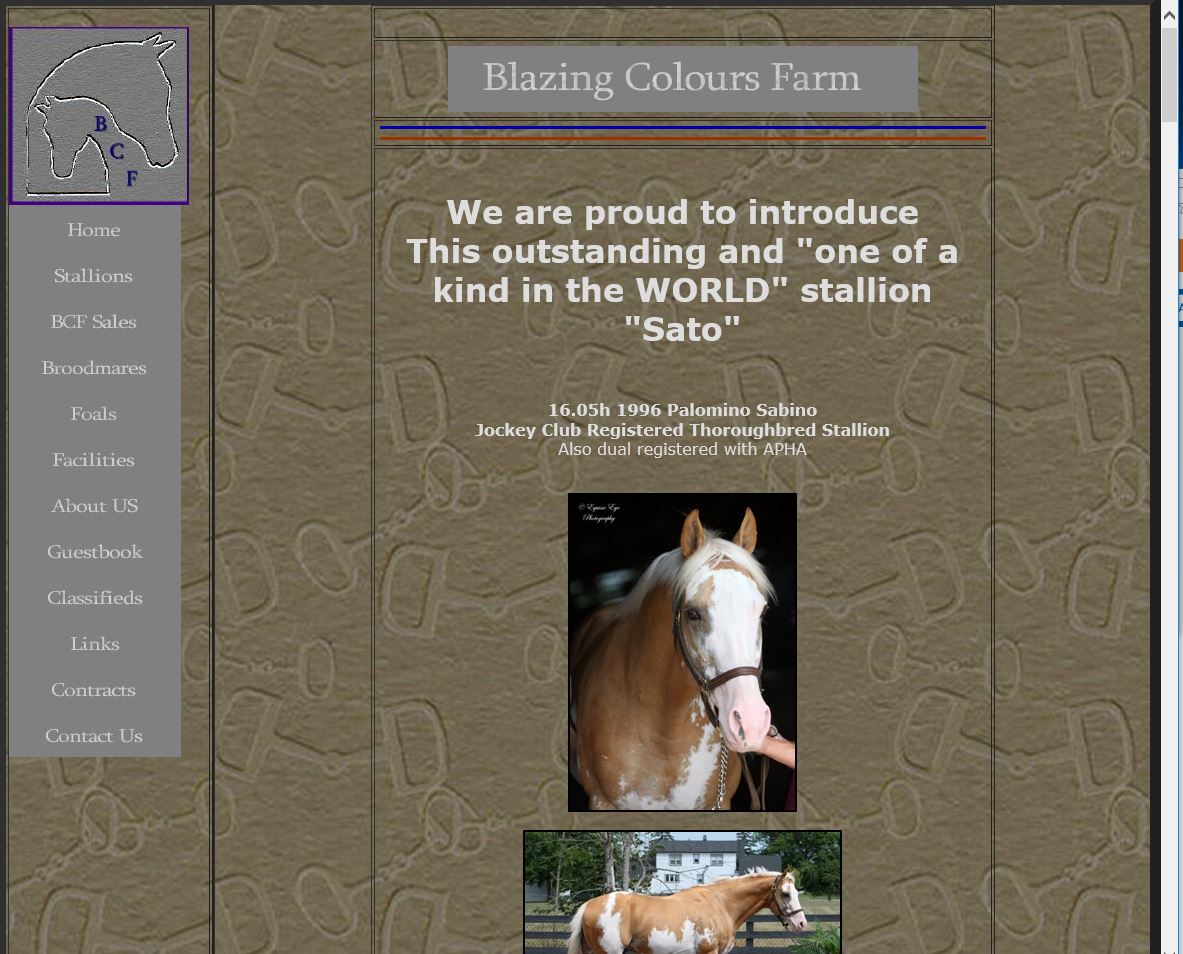
To make the documentation you don’t need every piece of the breed on it. It’s a common breed so you’d just need to document the color. If you’re using a specific horse as an example, start research by going to the breeder’s website (if there is one).Sato’s breeder has a website so that’s where I started getting his info from. They had his info but they also had that he is registered with the Jockey Club. That’s the most important part. It’s hard to claim a color exists in a breed if that horse isn’t registered. Sure, you can have unregistered horses that are an odd color but being able to have it registered helps to show the breed registry accepts it.

Blazing Colours Farm
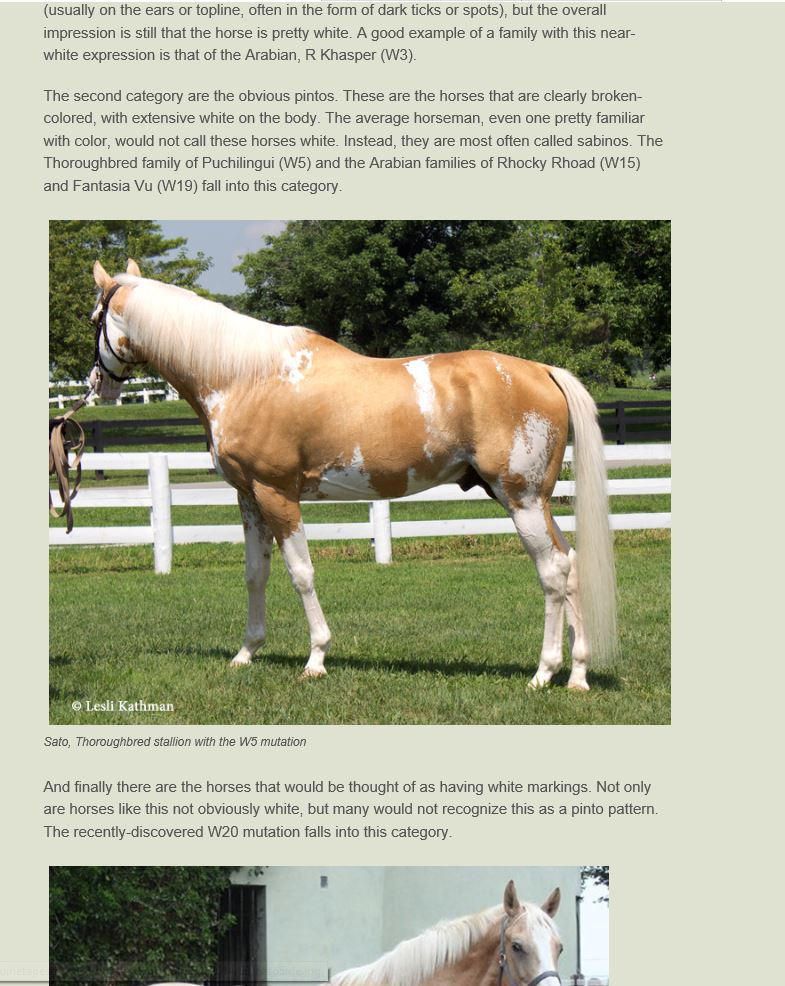
I needed to know what caused his color, so I went The Equine Tapestry that’s run by a hobbyist named Lesli Kathman. I came upon the blurb about Sato and found out the name of his mutation. For some colors and patterns there’s info about it that can be put into the documentation.  
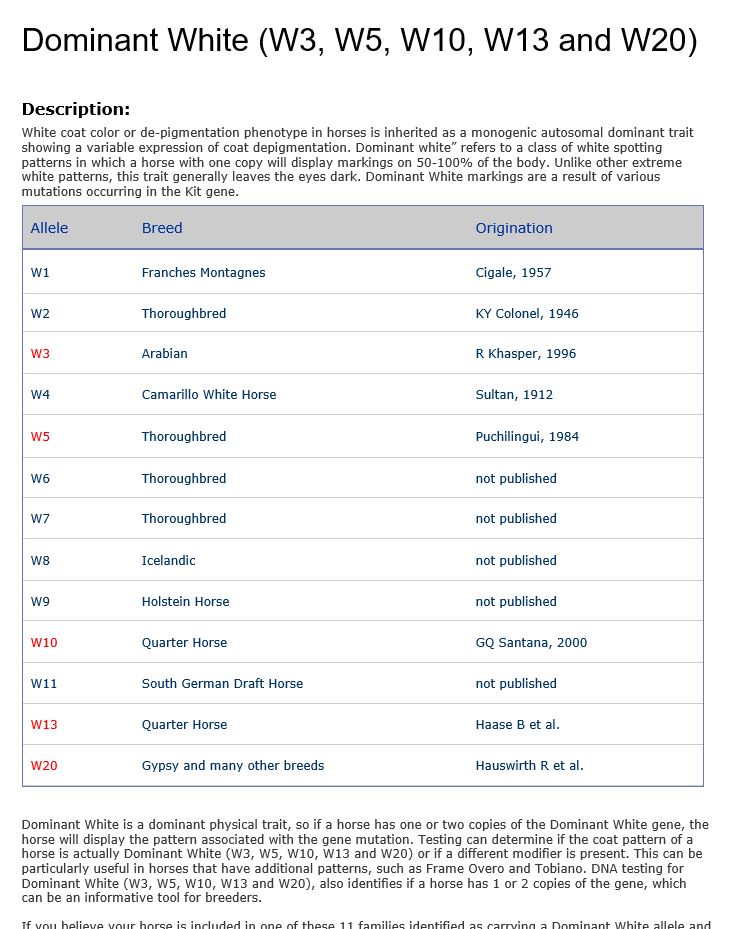
After getting that info I started to do research on the mutation. I came upon an animal genetic site that gave info into the gene. Now I had enough to make a short but researched documentation sheet.
Animal Genetics
Combine all of those things and make a documentation card. Here’s mine (I guess I’ll need to get a Sato now haha!). It’s sort of a template to how I do documentation too. I like to make my documentation with a header, picture, data, and then finally sources. I try to keep enough white space so that it isn’t text heavy. You want to include enough to get the point across and not so much that the judge will have to skim through to figure out the point to it.
Hopefully this helps! And if you have anymore questions feel free to leave a comment!

Shipping Tiny Things

Started my spring semester today! Which means not as much studio time.
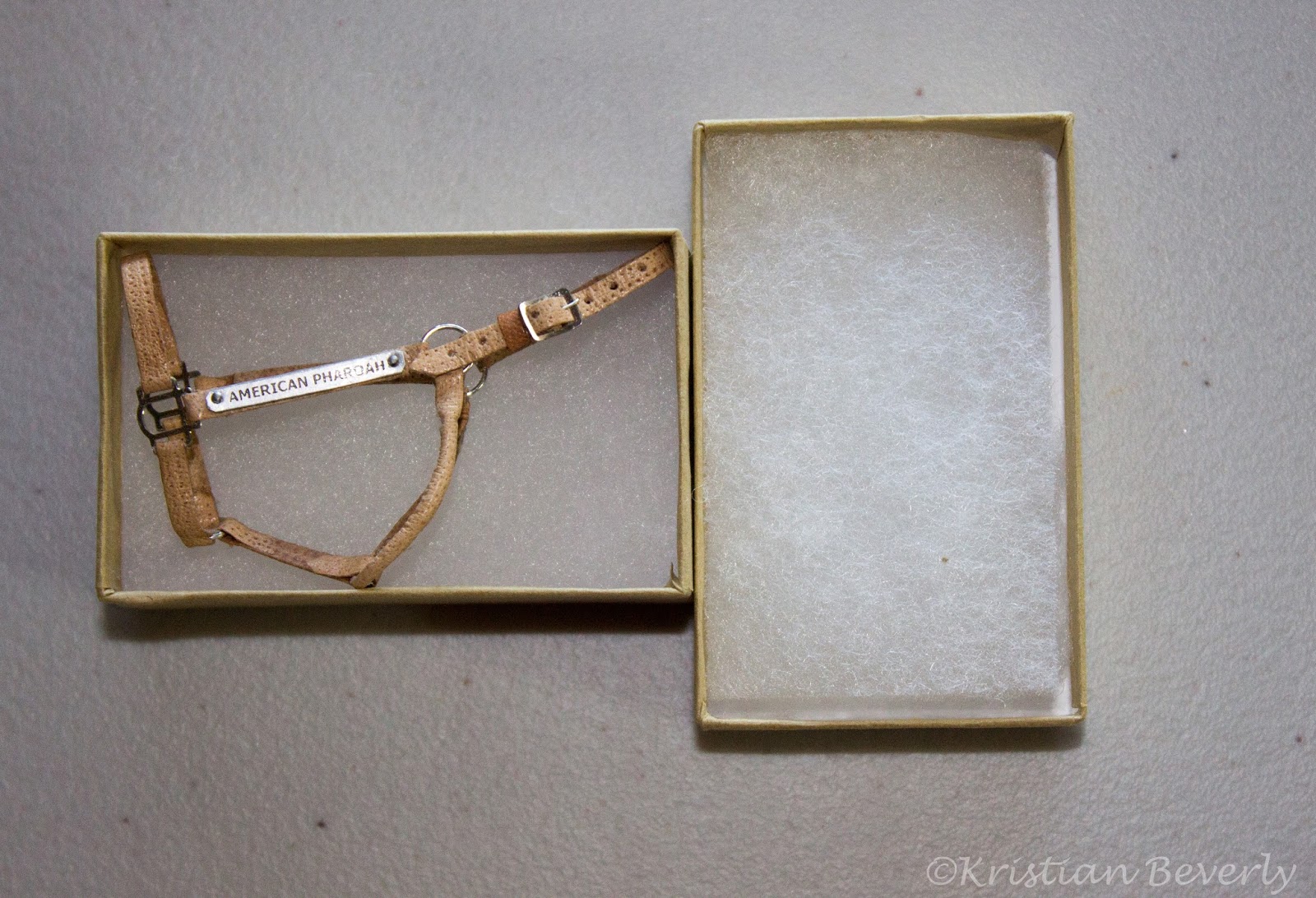
But I did ship some halters so, here’s a short how-to/tip for shipping small tack things.

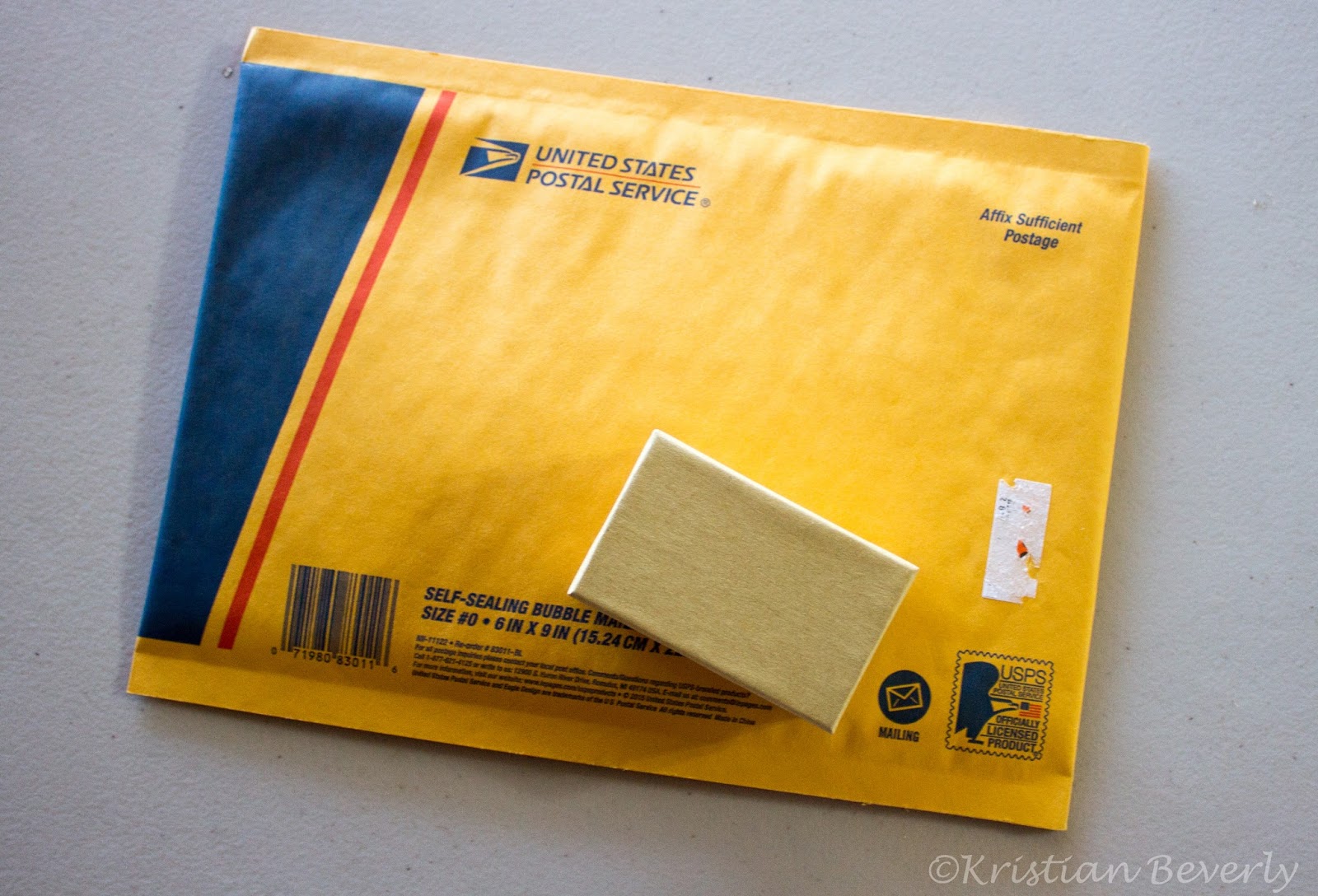
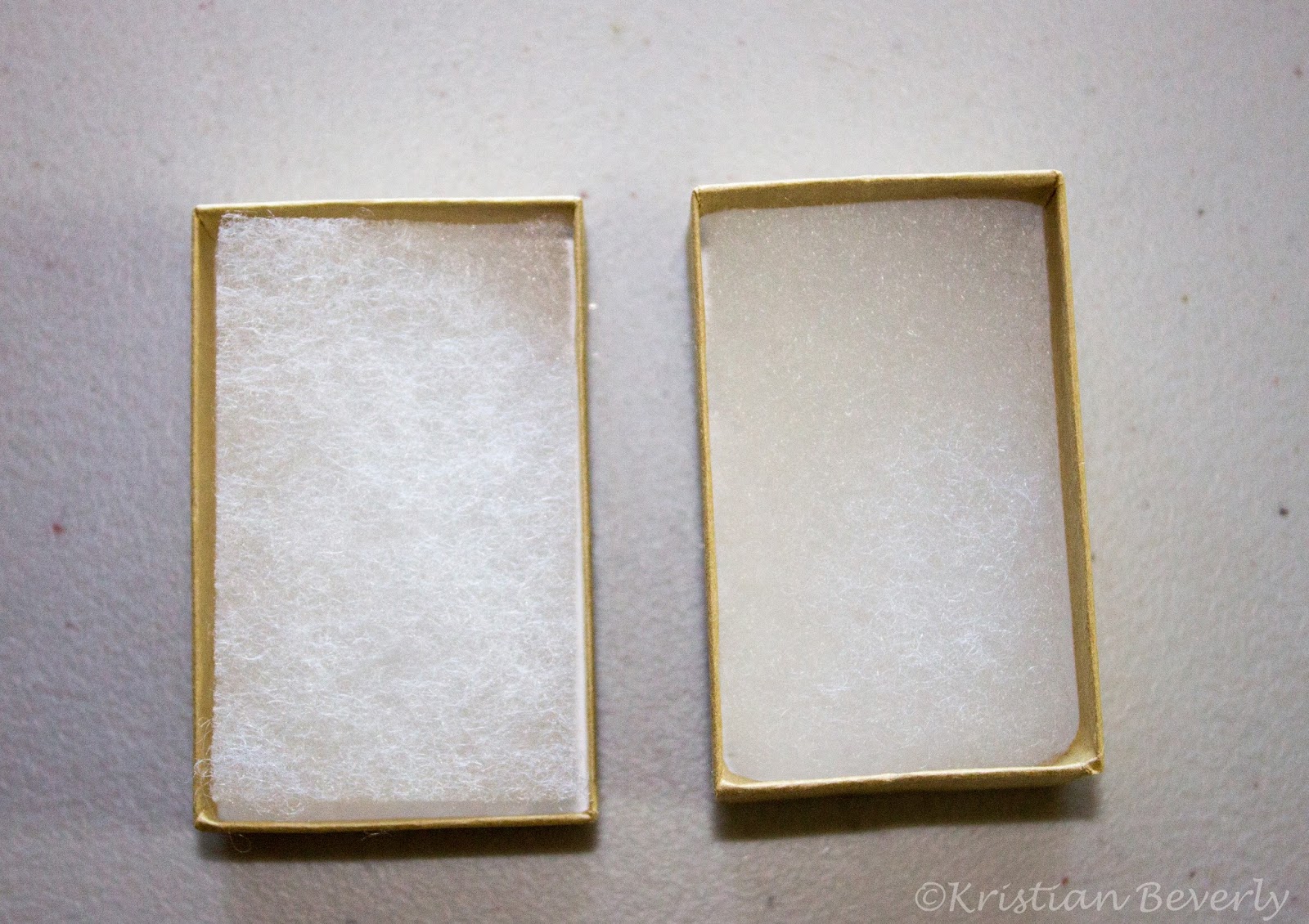
For halters, I use jewelry shipping boxes. If it’s been used for jewelry for so long, it’s safe for plastic pony items. The inside has stuffing inside too. More protection.

Then I put it inside of an envelope. Not any envelope. Padded envelopes. They’re lined with bubble wrap which adds to the protection. Shipping is a game where you want everything to end up in great condition in the most efficient way. If the halter fits and the box fits in the envelope, then it’s off to its new owner! These boxes come in different sizes, so you could go smaller for boots and miniature props. Longer boxes would work for bridles and girths. I wouldn’t send a saddle this way, so that’s a post for another day.

Gutting It: A Zombie Story

Walking Dead has started (that last episode was stressful),  Halloween movies are playing  on repeat on various channels  (so many great ones) and fall has hit.
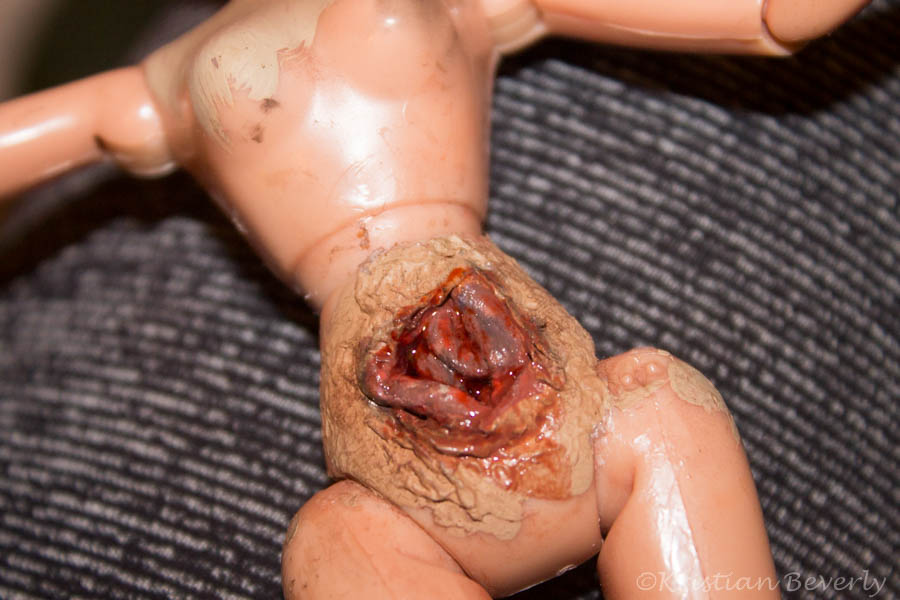
So what does that all mean? Nothing really. It’s just one of my favorite months for those above reasons. And because of The Walking Dead, that means zombie dolls. The first doll is for the giveaway (which the winners have been very patient!). I wanted to do something more gross with the doll. I decided on exposed guts. The tricky thing with making guts was making sure that the additions allowed for mobility.
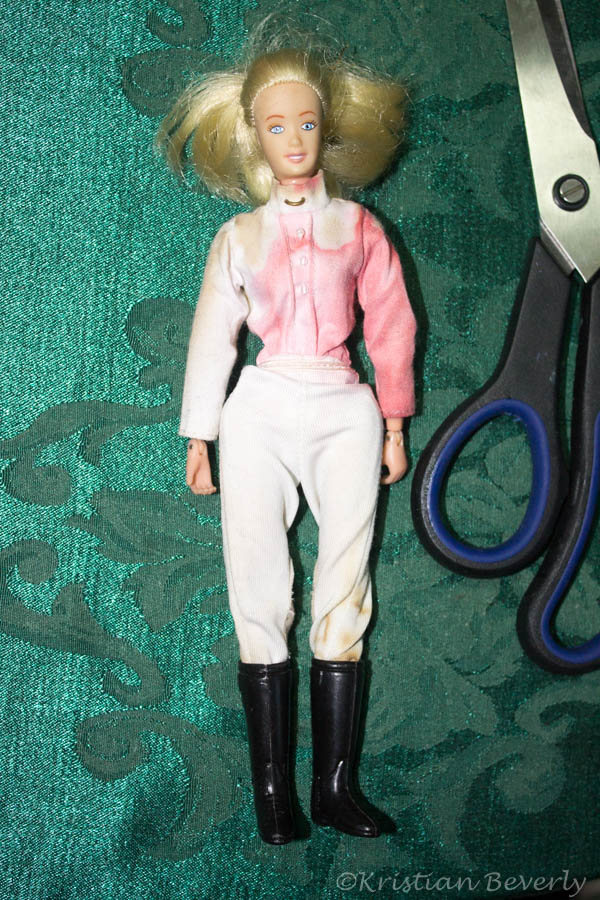
I grabbed this breyer doll.

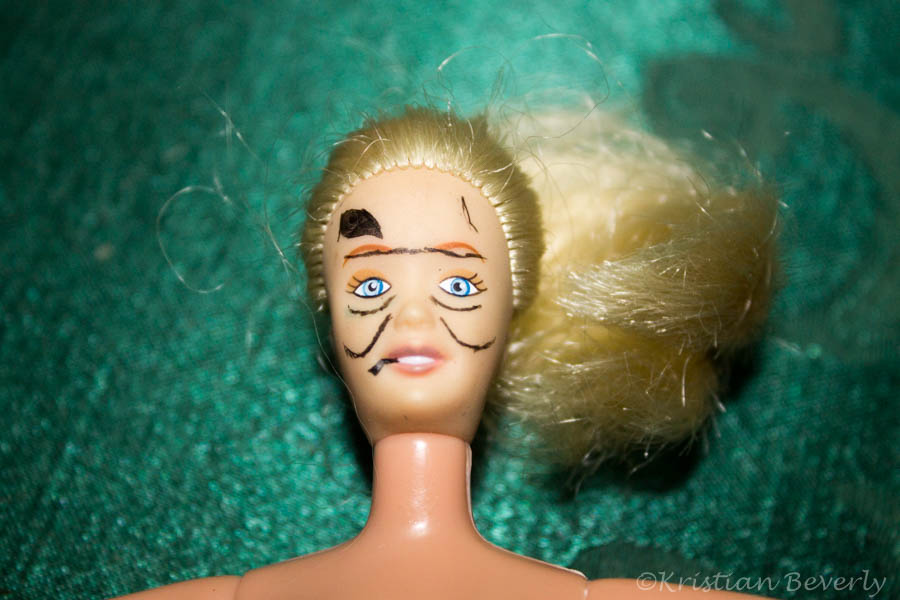
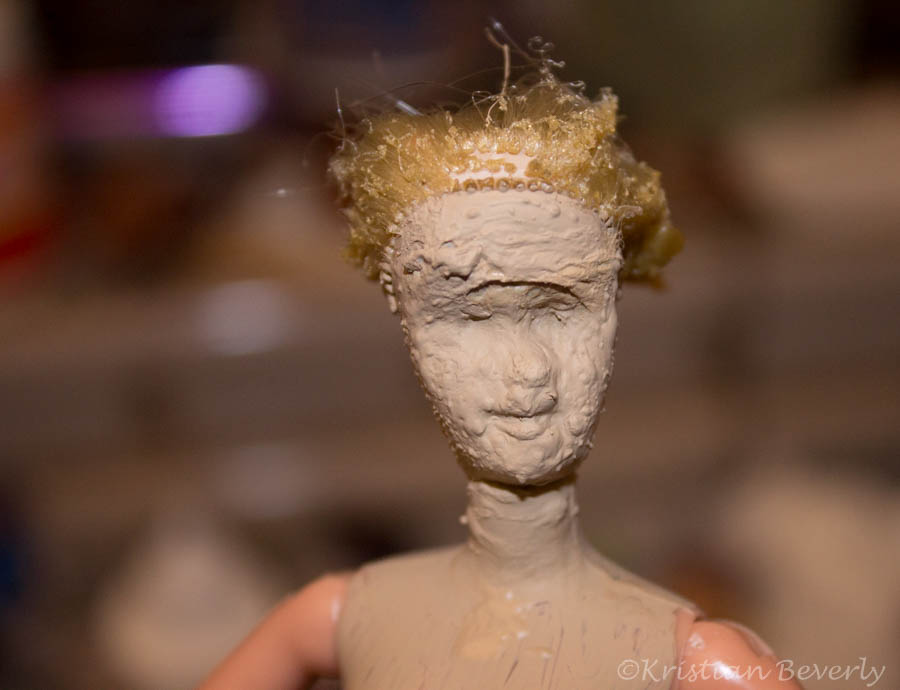
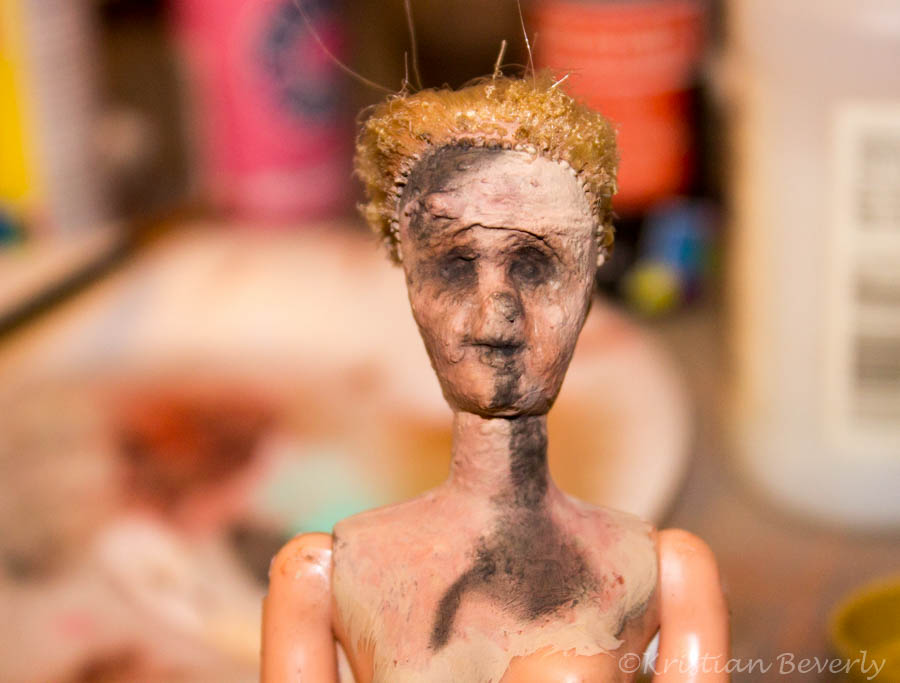
I drew on her face to rough out features. And because drawing on dolls is fun.
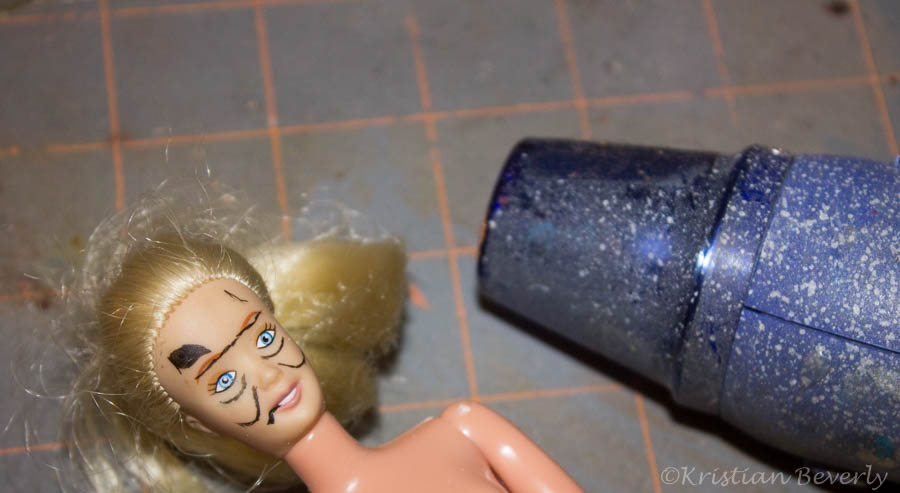
Next came the heat gun.

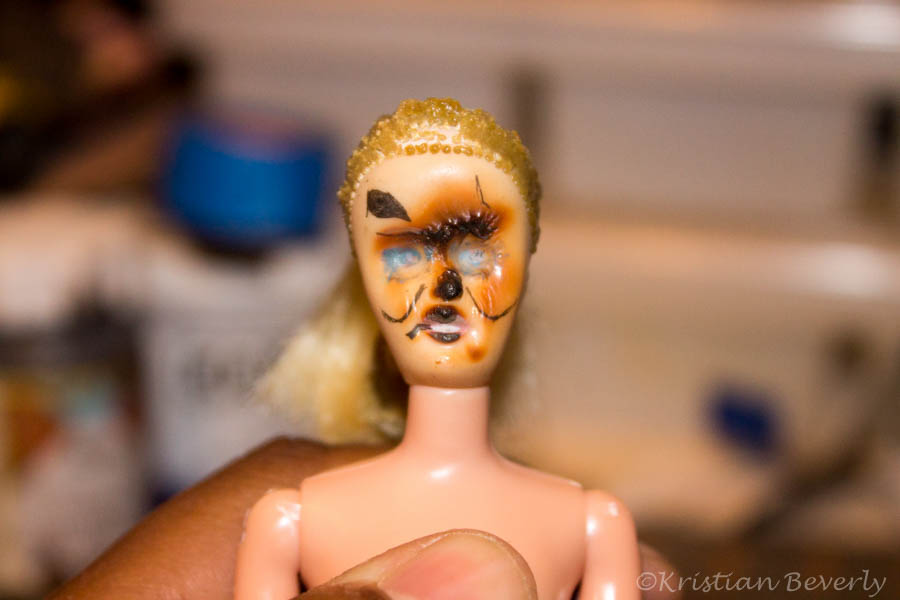
Burned to a crisp! 🙂

I painted her face a pale tan color.
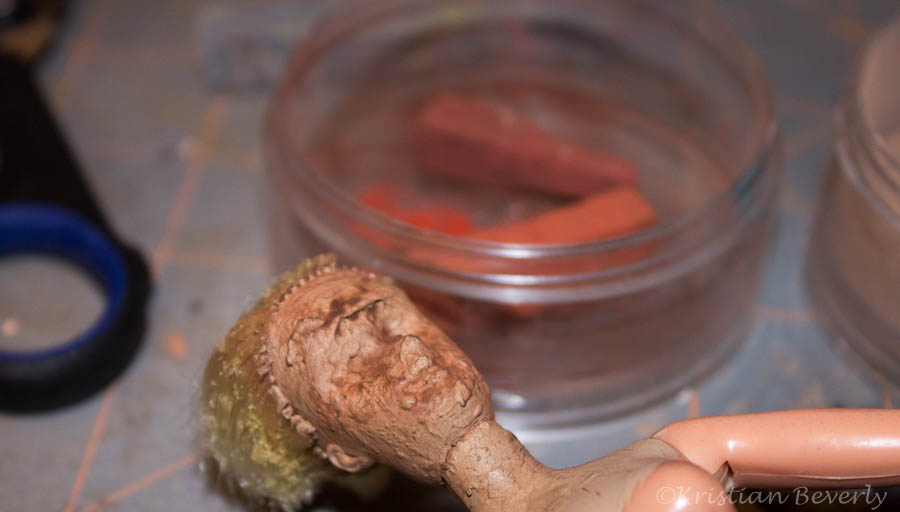
And then began to dirty and zombify her face with pastels. 

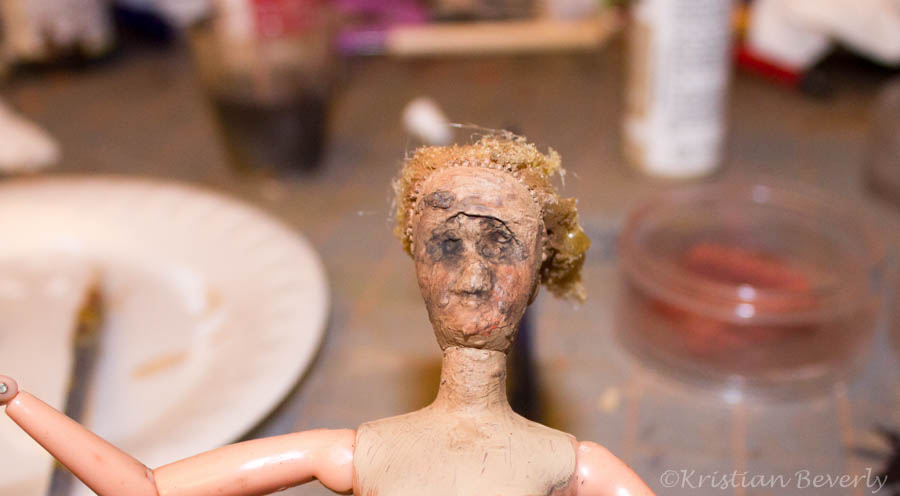
She’s started to look like a pretty zombie!

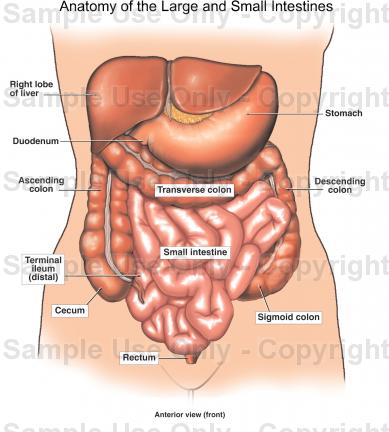
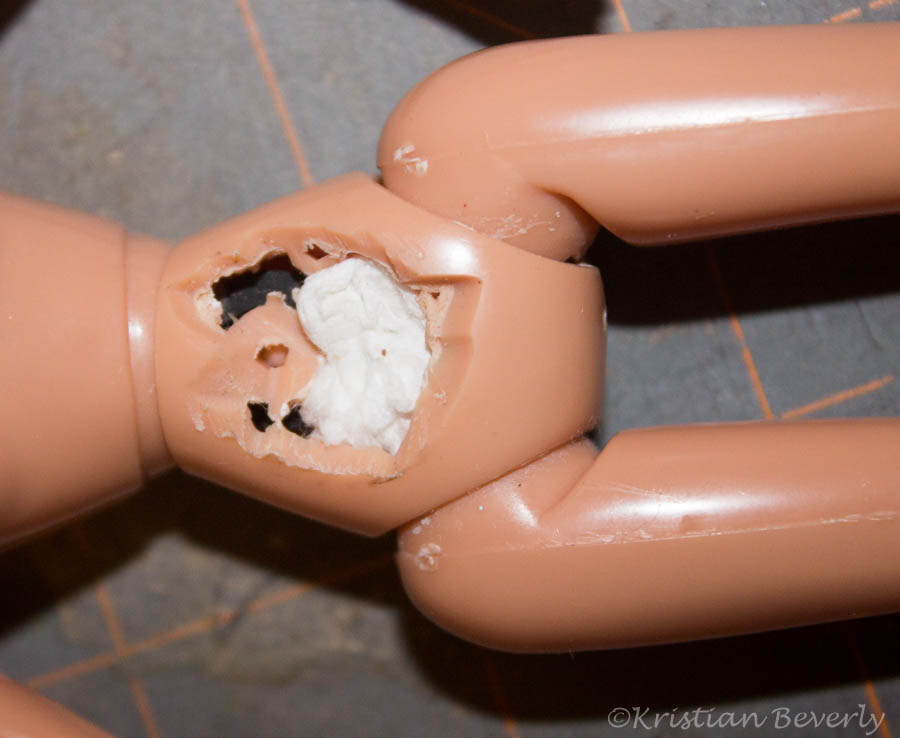
I took her outside to gouge a hole inside of her abdomen. I wanted her intestines to show, but I also wanted her torso to move. So next came looking up anatomy for the large and small intestines to see if it would work. 
Link To Source
Dolls are made up of joints that allow for them to move similarly to humans but not perfect. So I was happy to see where the intestines end is a solid non moving area on the doll. After making the hole, I stuffed some paper towel into it.
The experiment to make realistic miniature intestines worked perfectly!
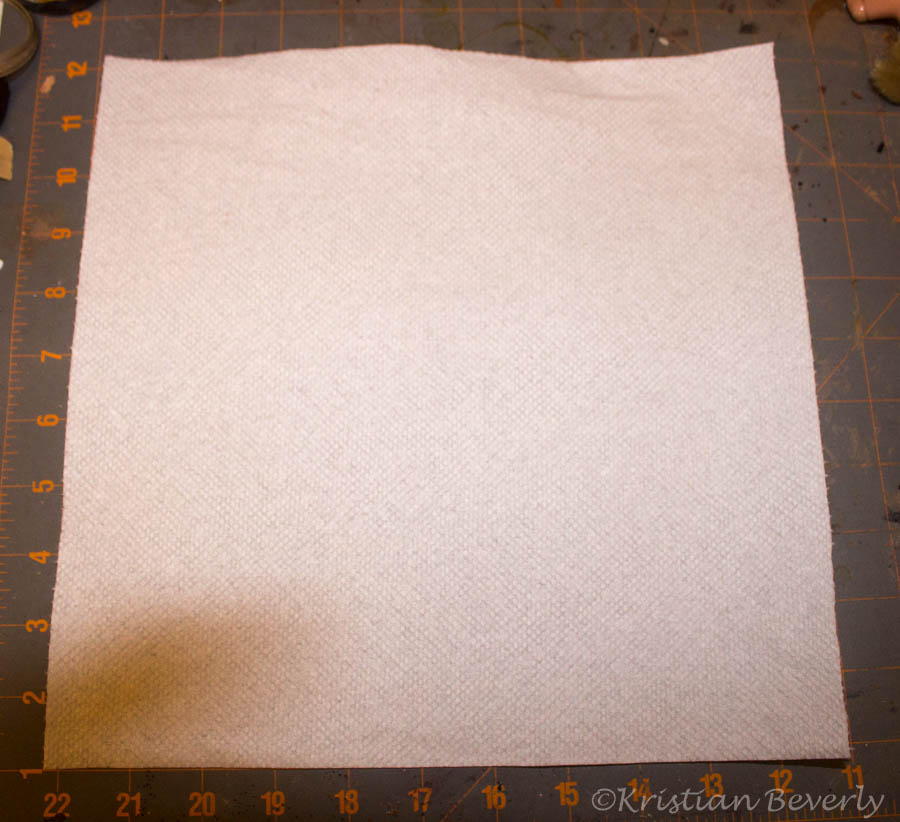
I took a piece of paper towel,
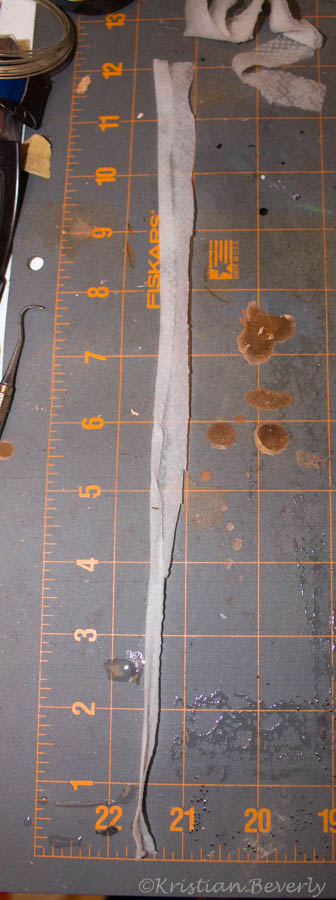
And cut a rectangular piece from it. Humans have a lot of intestine crammed into a small area, so I didn’t need a thick piece!
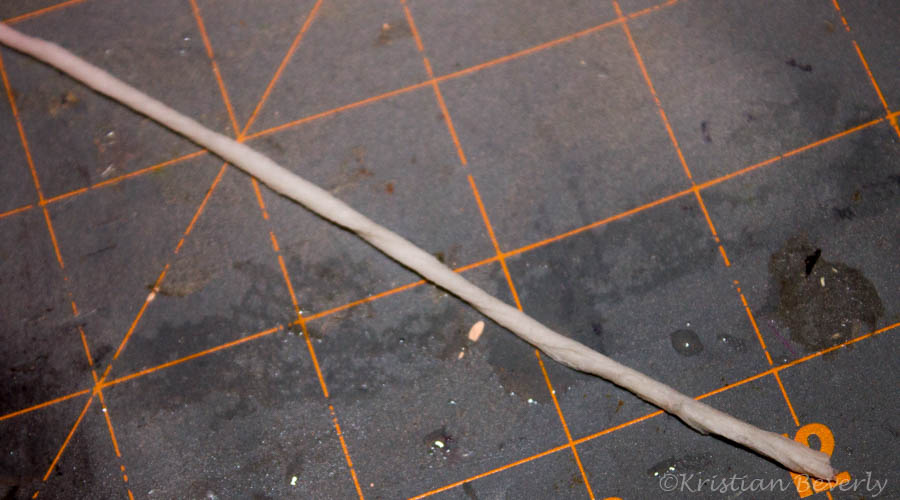
Next, I wet the piece and rung out the extra water. Then I rolled it while coating it in tacky glue.
I let it set for a couple of minutes before I put it into the hole, trying to make it seem like intestines. After it was dry, I used a mix of pastels and fake blood to make it seem more realistic. Then I put a layer of gloss over it. 
After dirtying up her feet I decided she needed to have pink toenails.  Because. 
Isn’t she lovely so far? She still needs details but I like her!