New York Public Library and The Strand

While in New York, Michelle and I had time to wander the city. We decided to walk to the New York Public Library and The Strand.
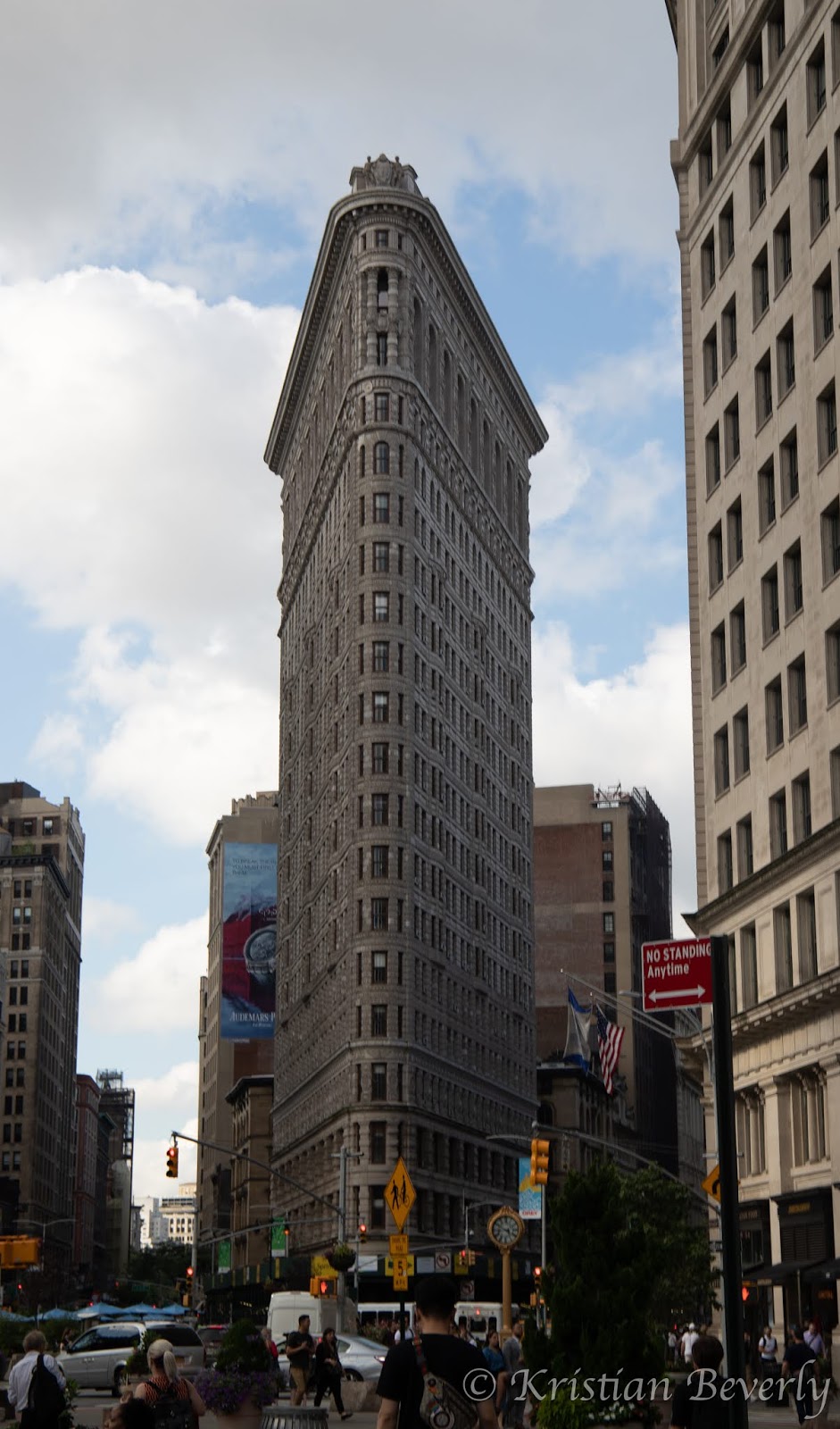
Along the way we saw the iconic Flatiron Building.

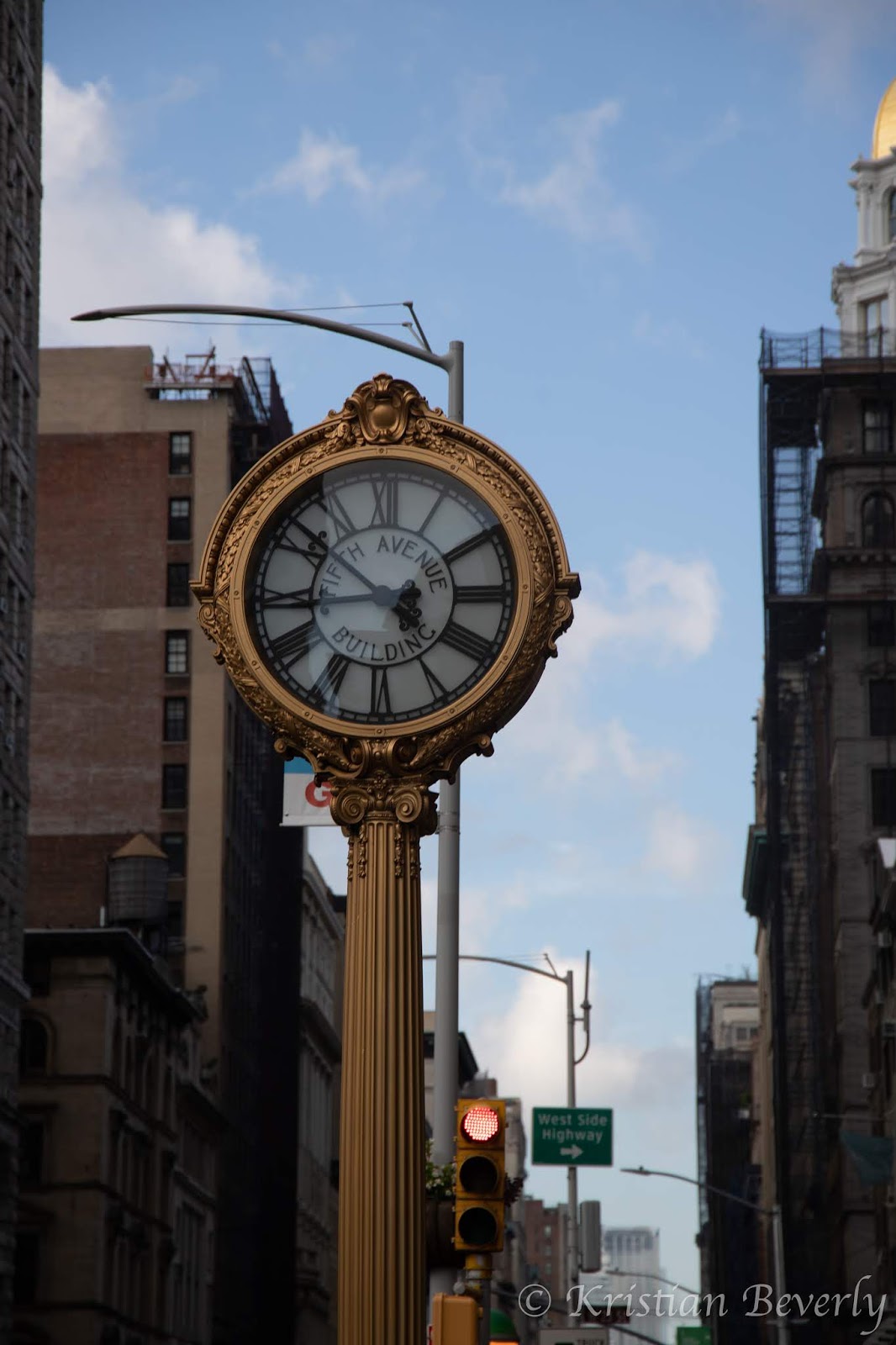
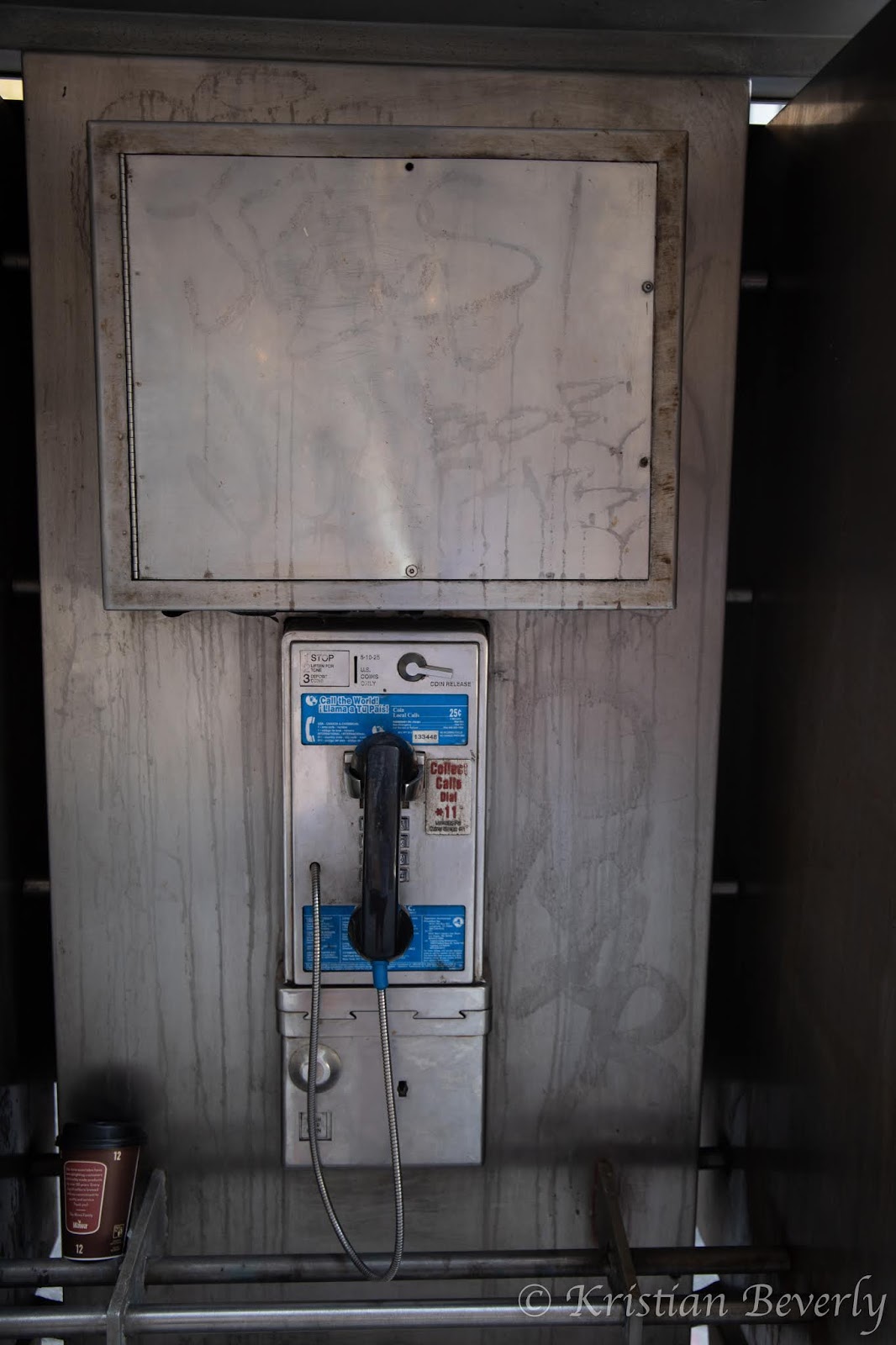
And other cool things
to take pictures of. 
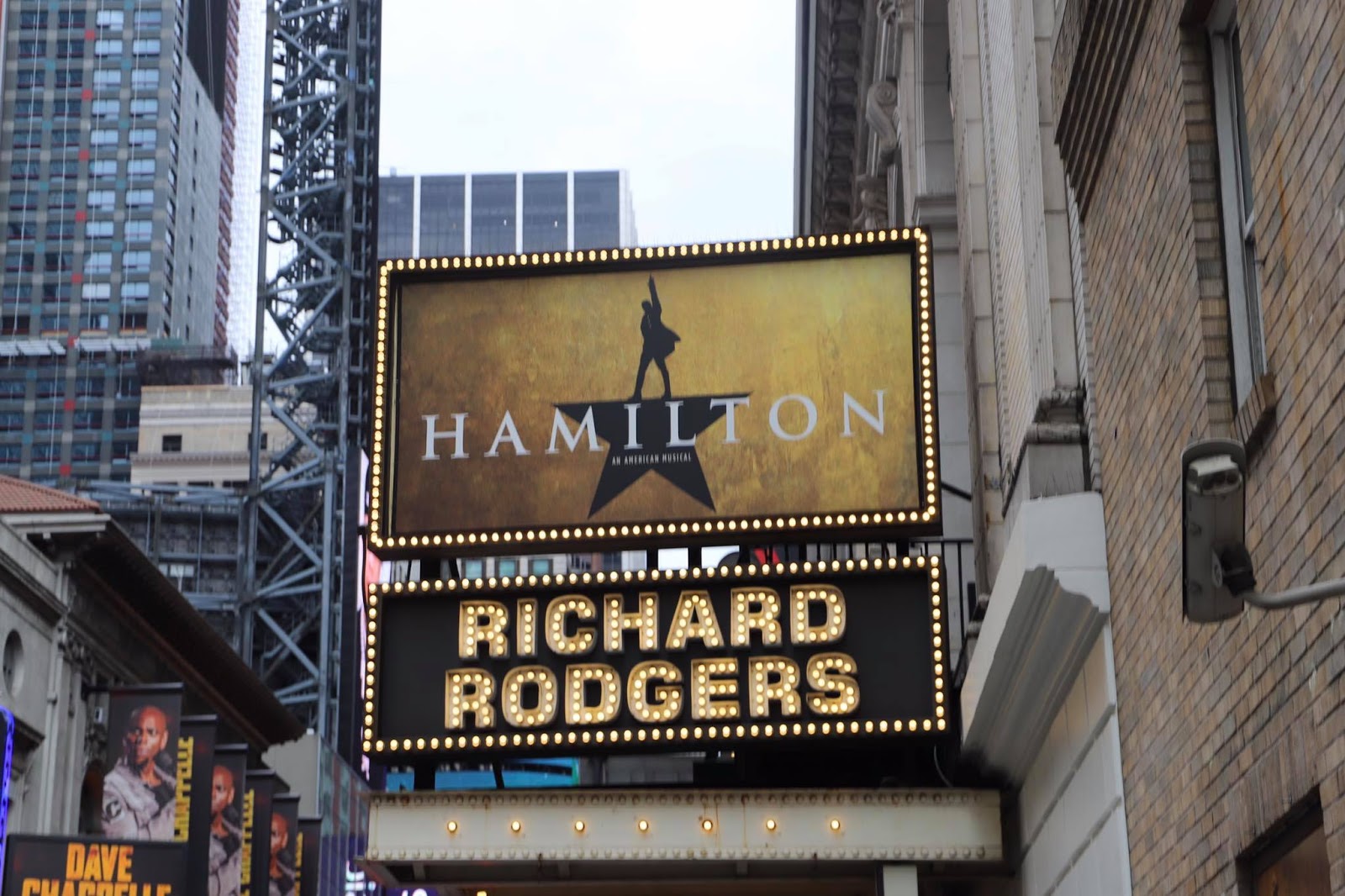
Hamilton!
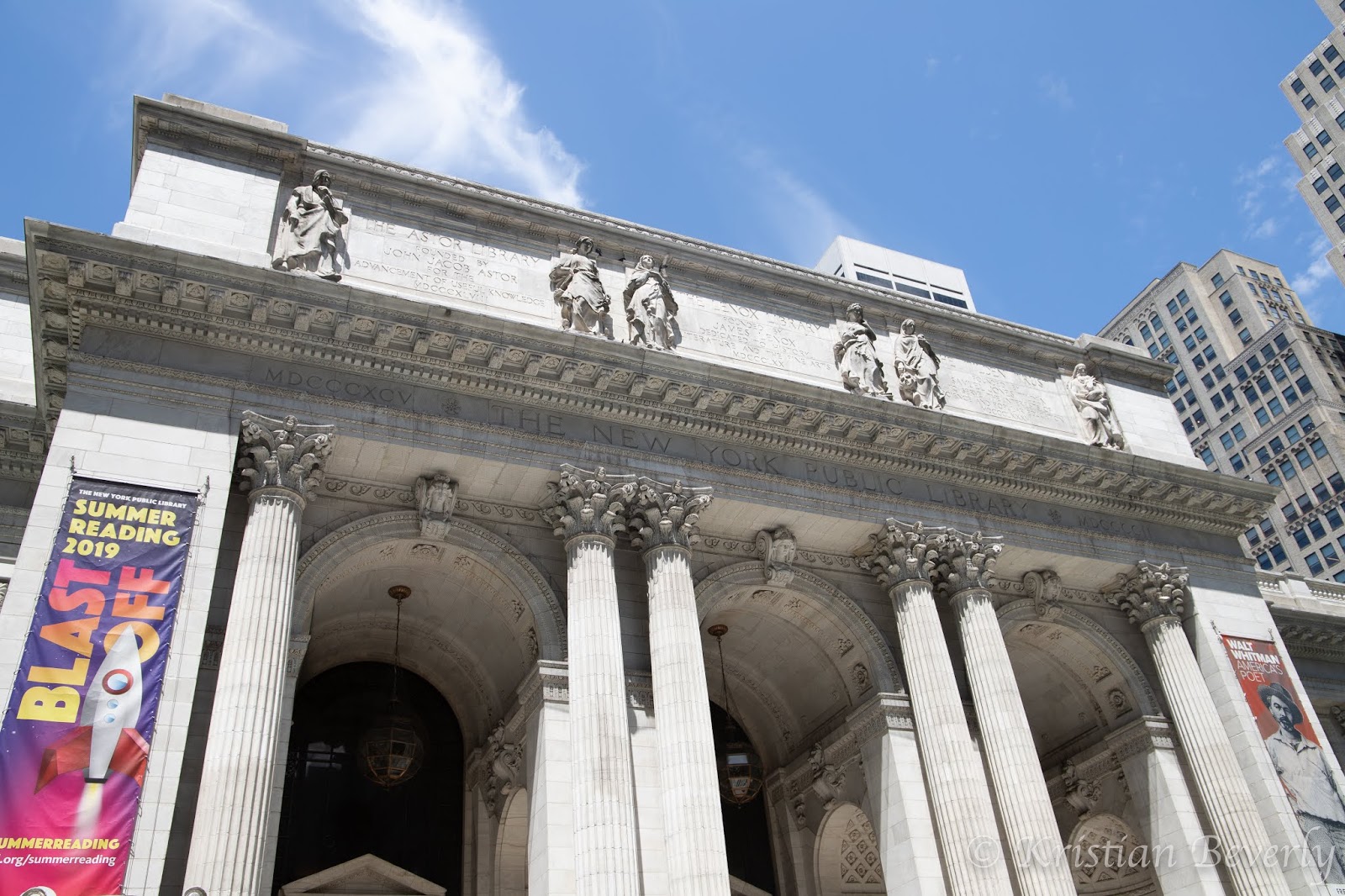
Our first stop was the New York Pubic Library.

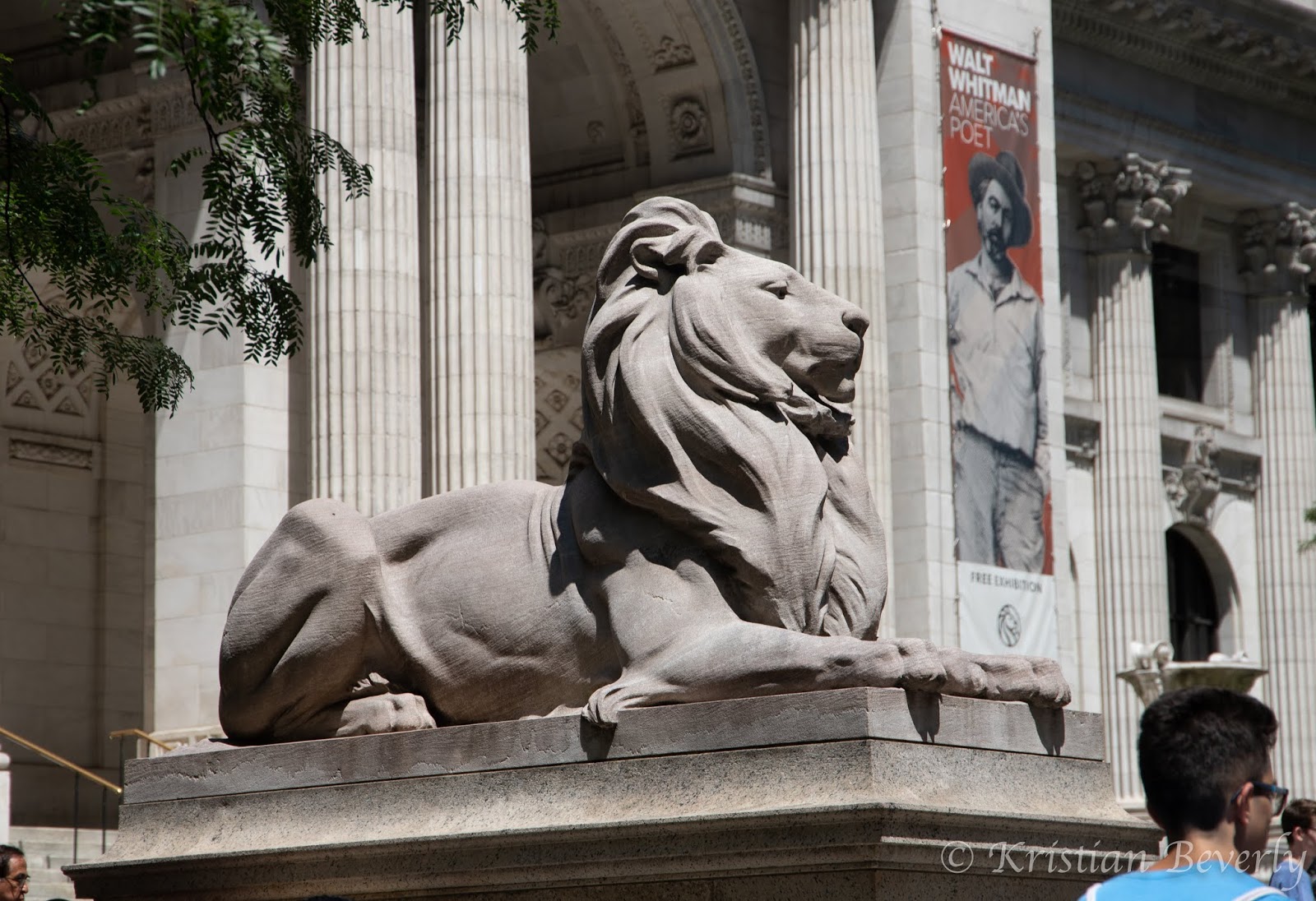
First we were greeted by the iconic lions.

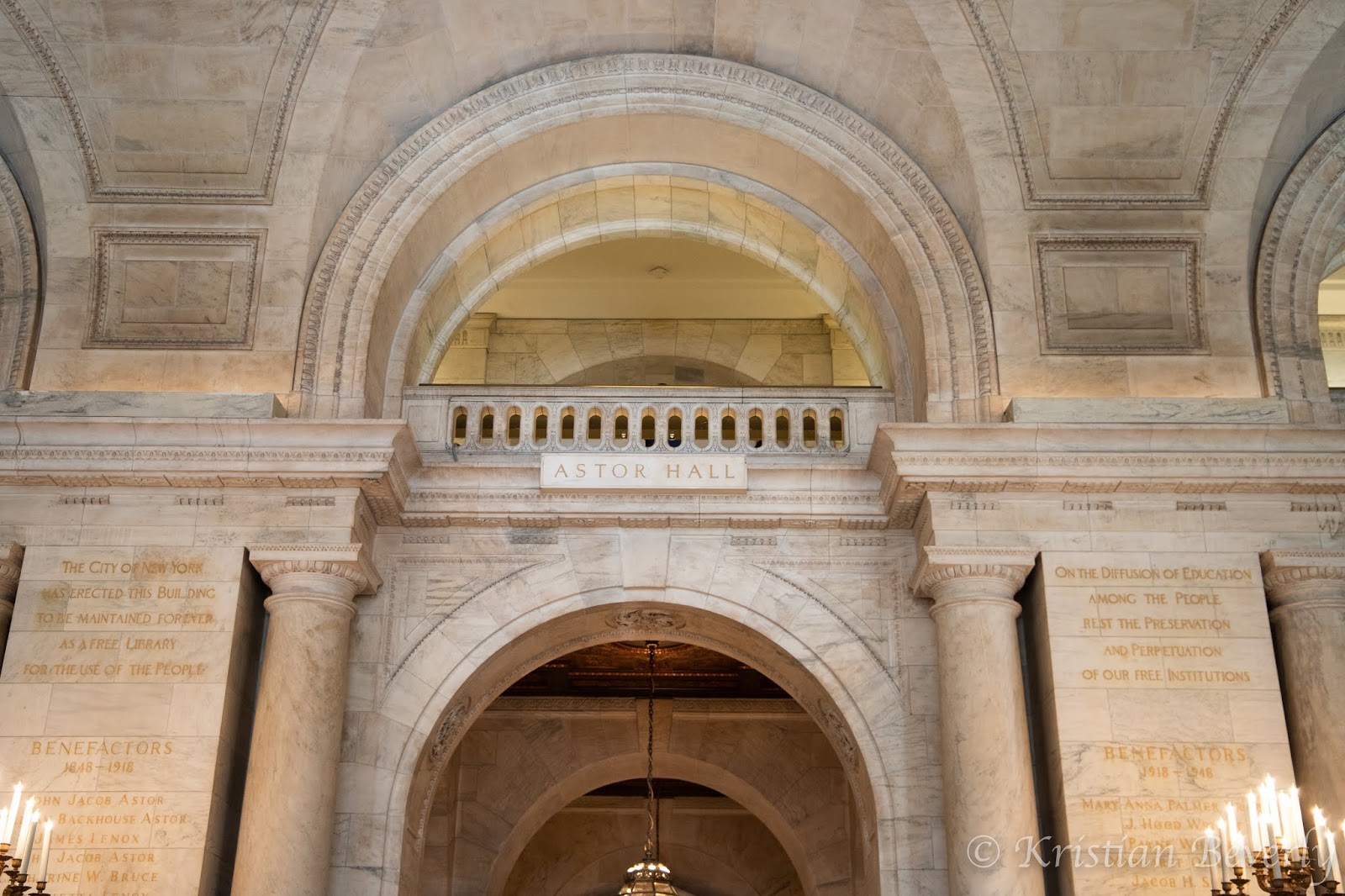
The architecture was beautiful.

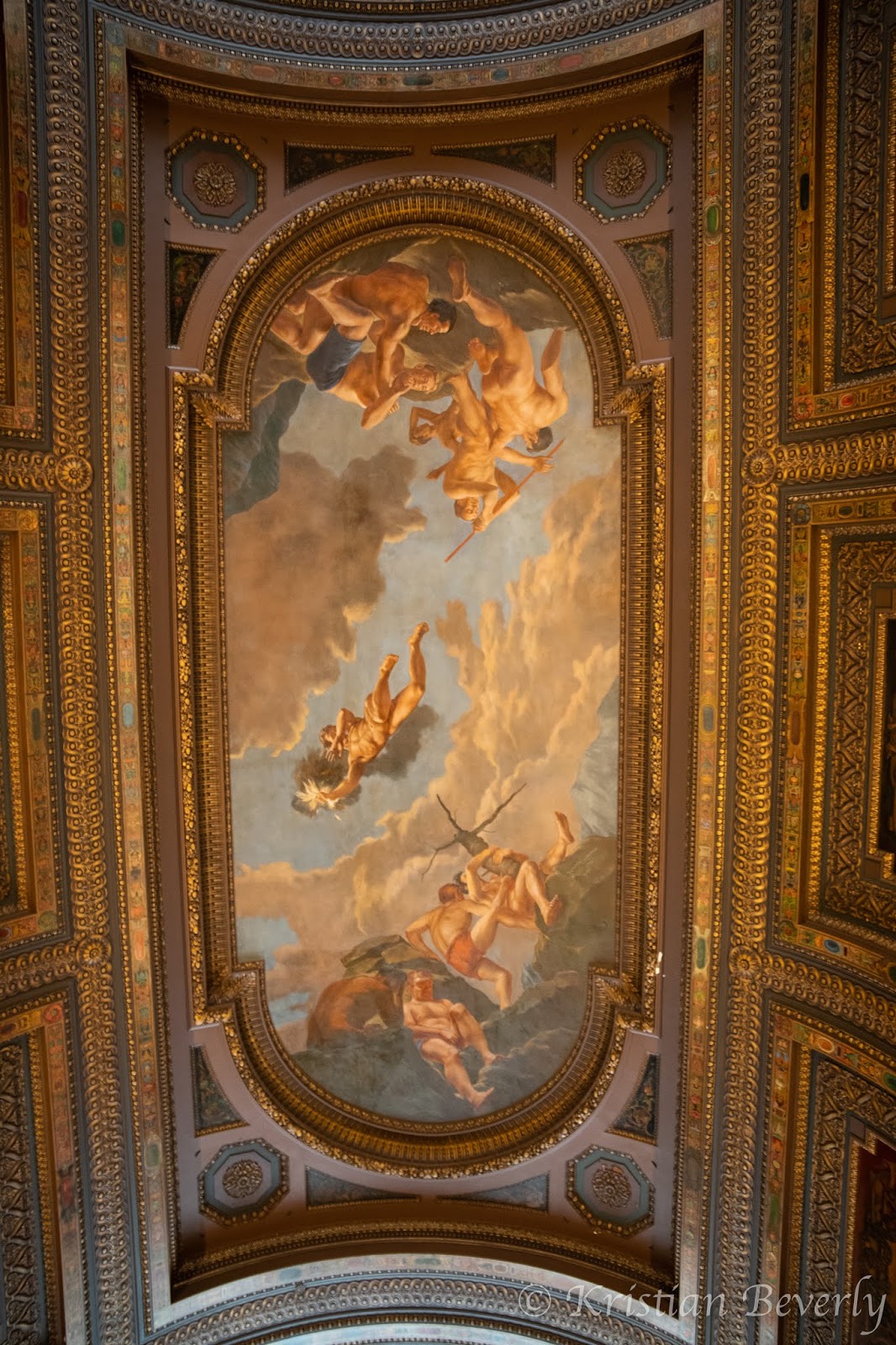
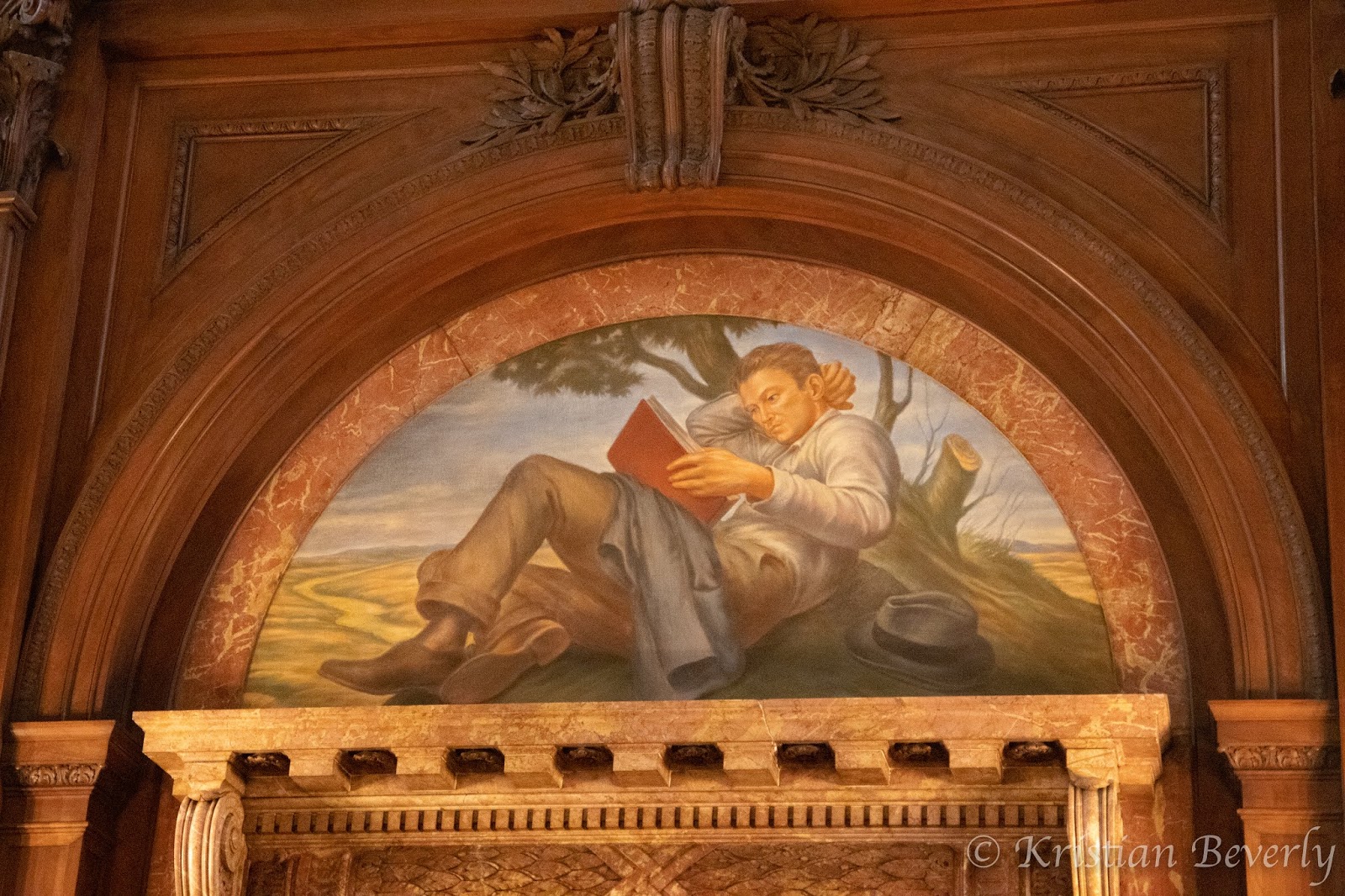
And the artwork!!!!

So pretty. 
It was cool to see the mix of new and old. 
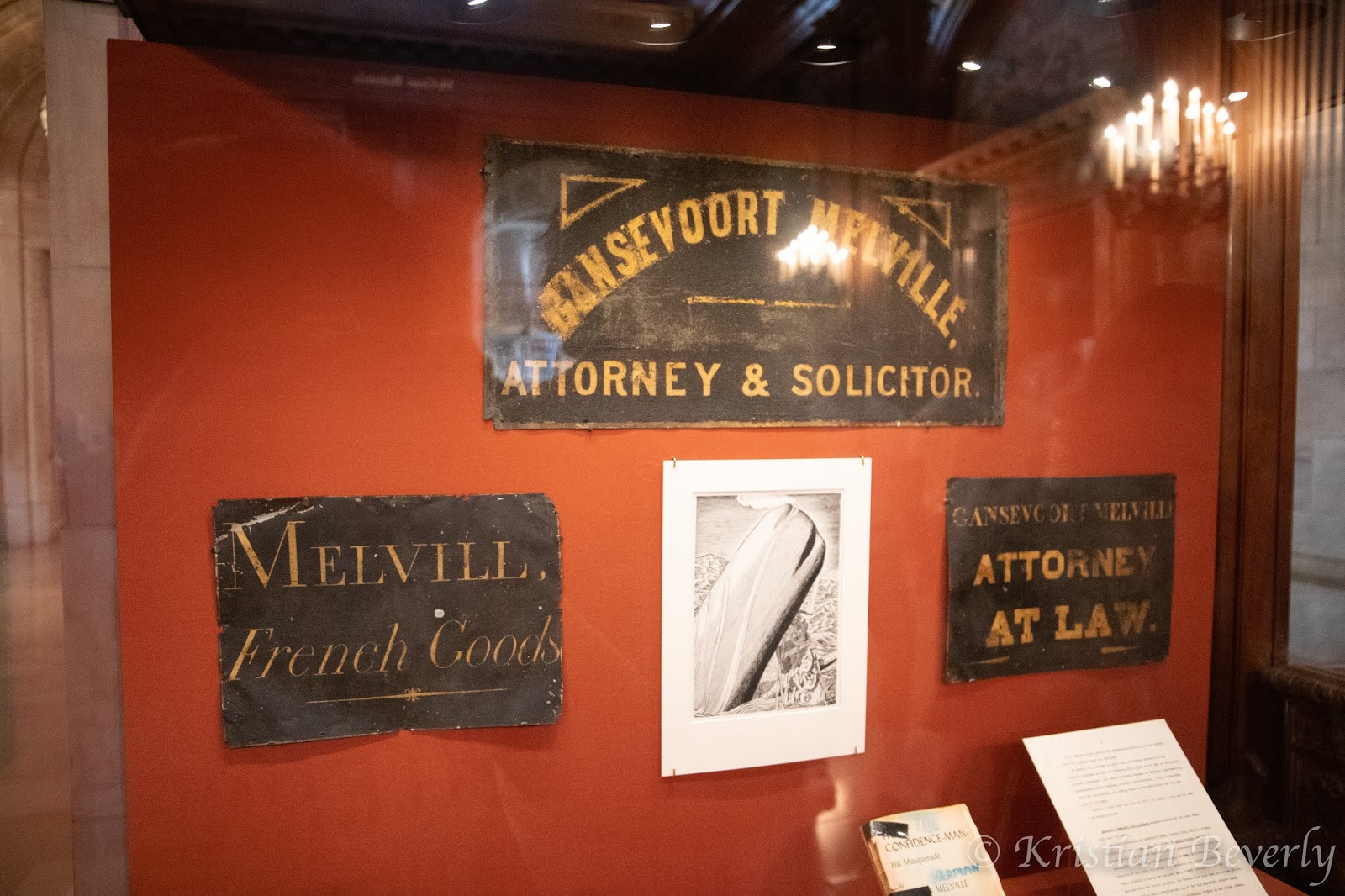
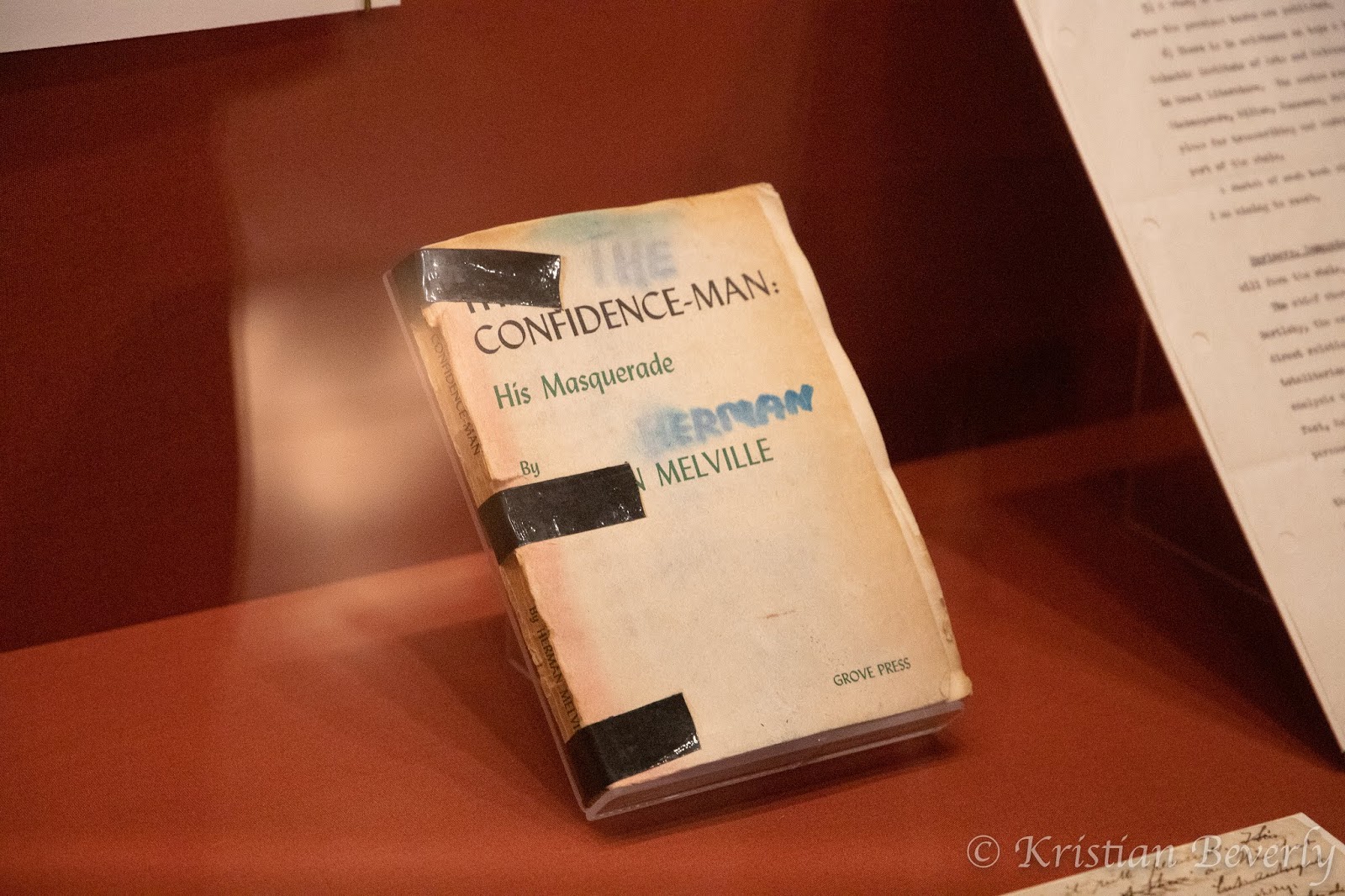
There was a display for Herman Melville, best known for Moby-Dick. 
I tried to read Moby Dick, but lost interest in it. Still, it was cool to see these pieces of history. 
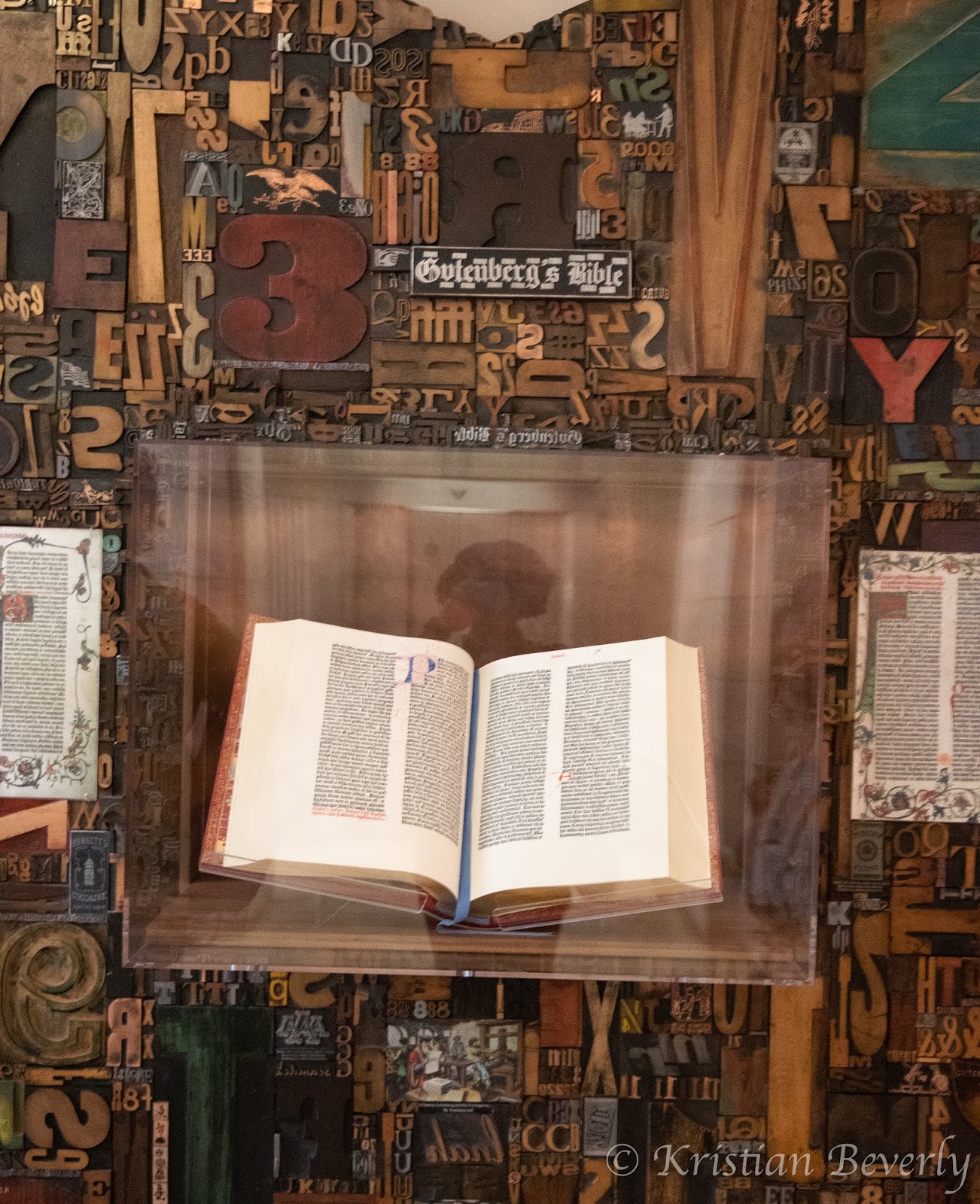
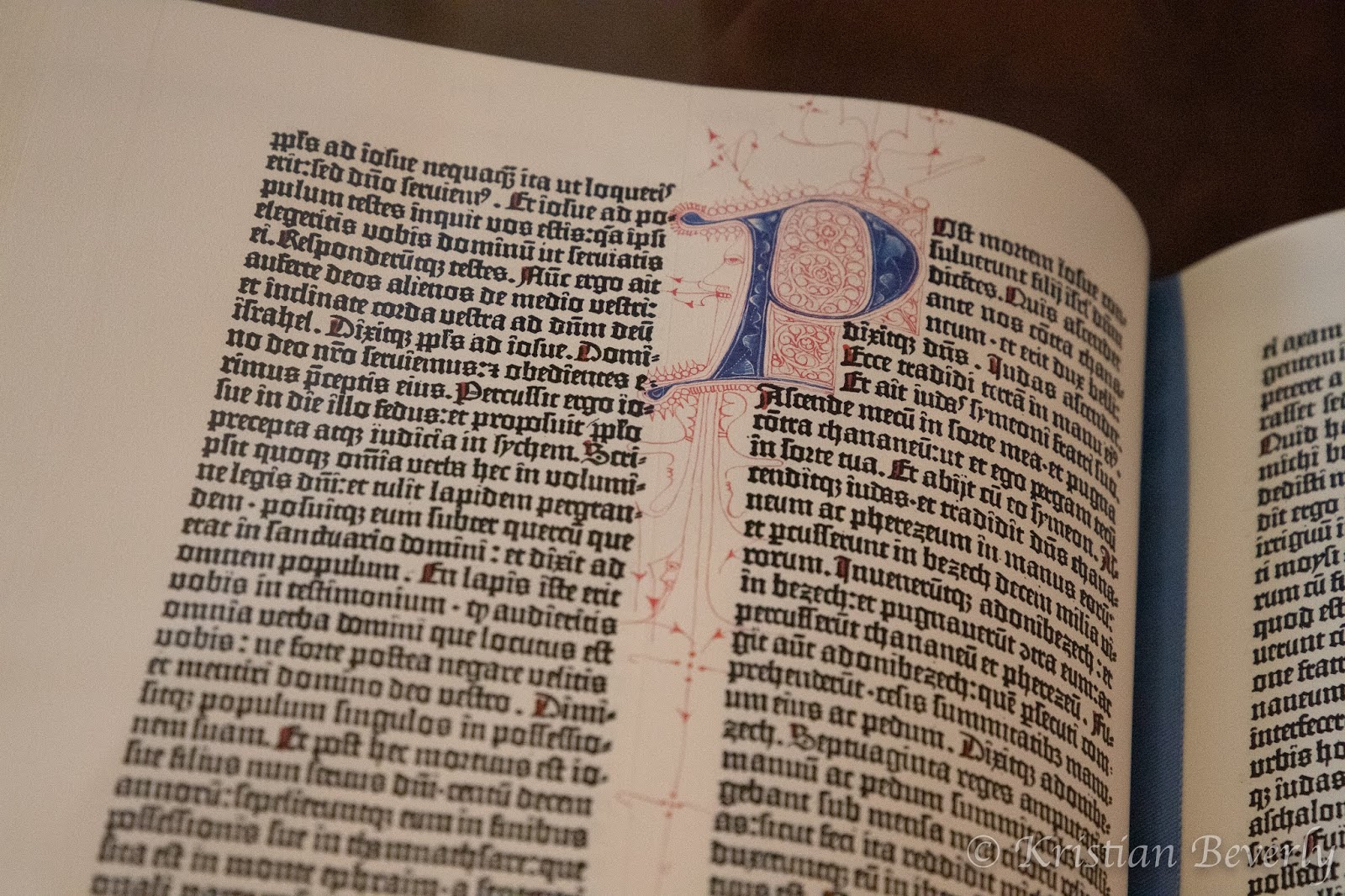
The coolest thing I saw was a Gutenberg Bible. This was the first one to come to the United States in 1847. 
It’s estimated that 180 copies of the Gutenberg Bible were originally created, and there are about 59 full copies still in existence. 
It was spectacular to see one in person. 
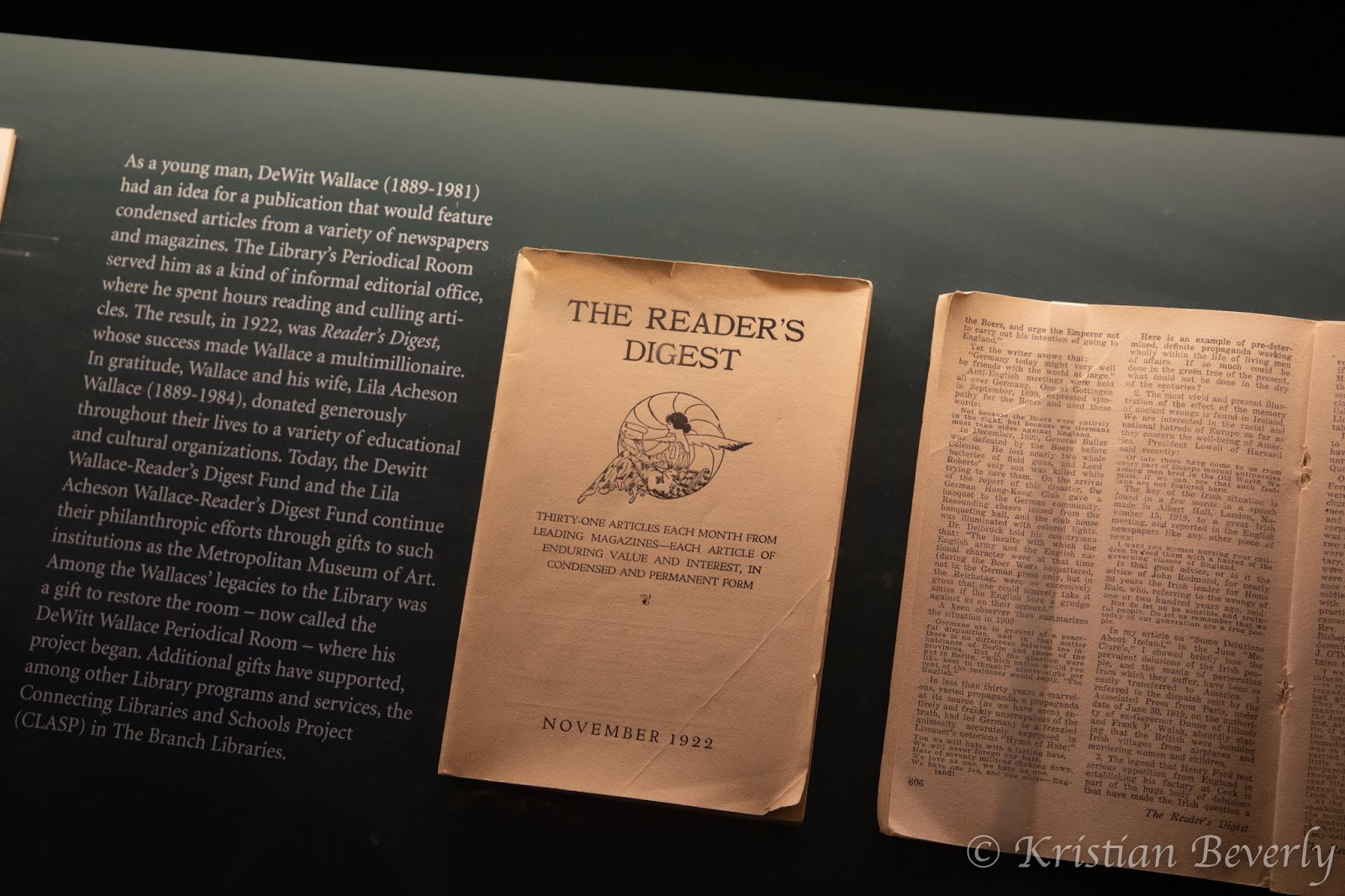
The original Reader’s Digest.
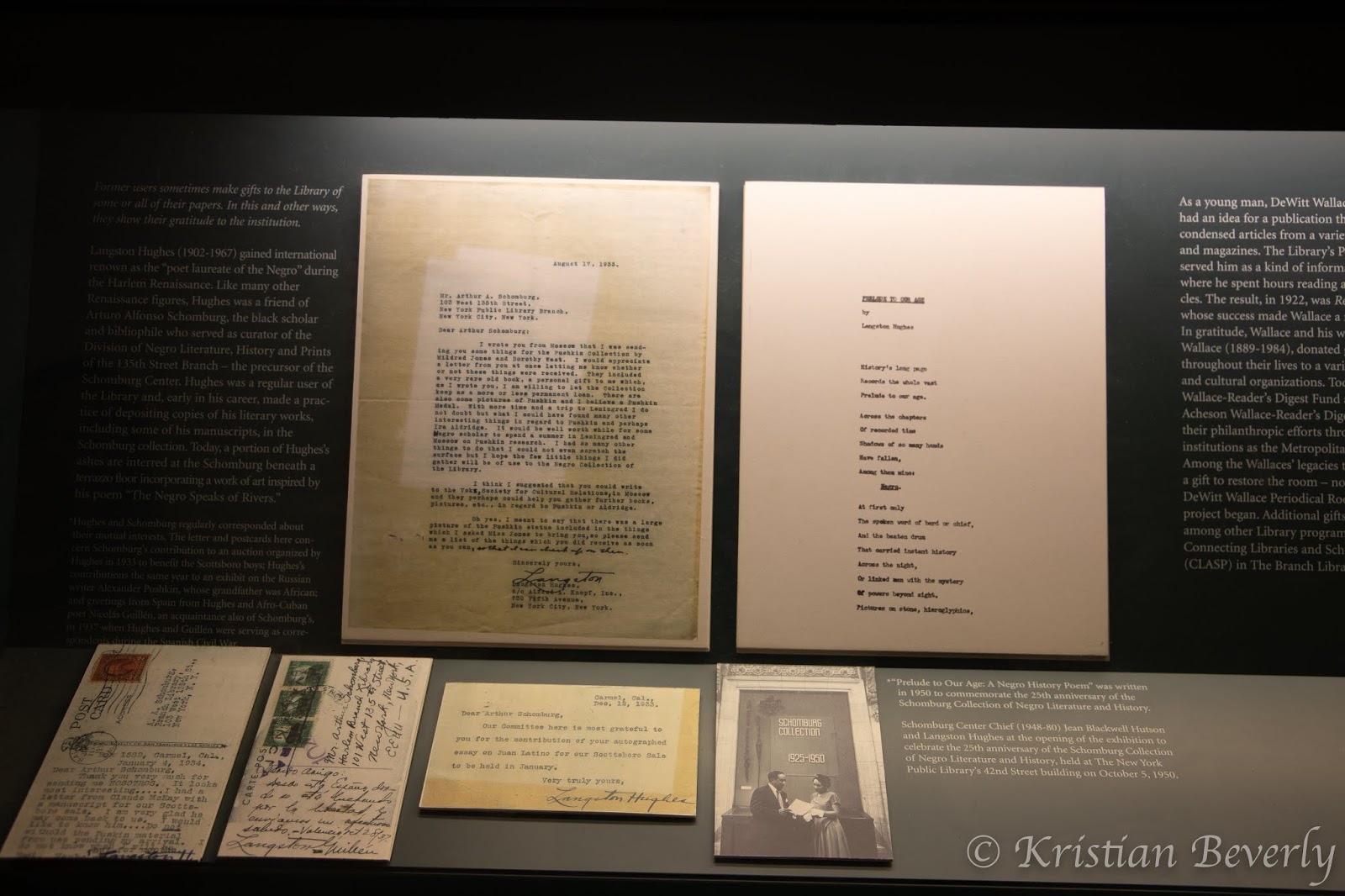
There were also original pieces by Langston Hughes. 

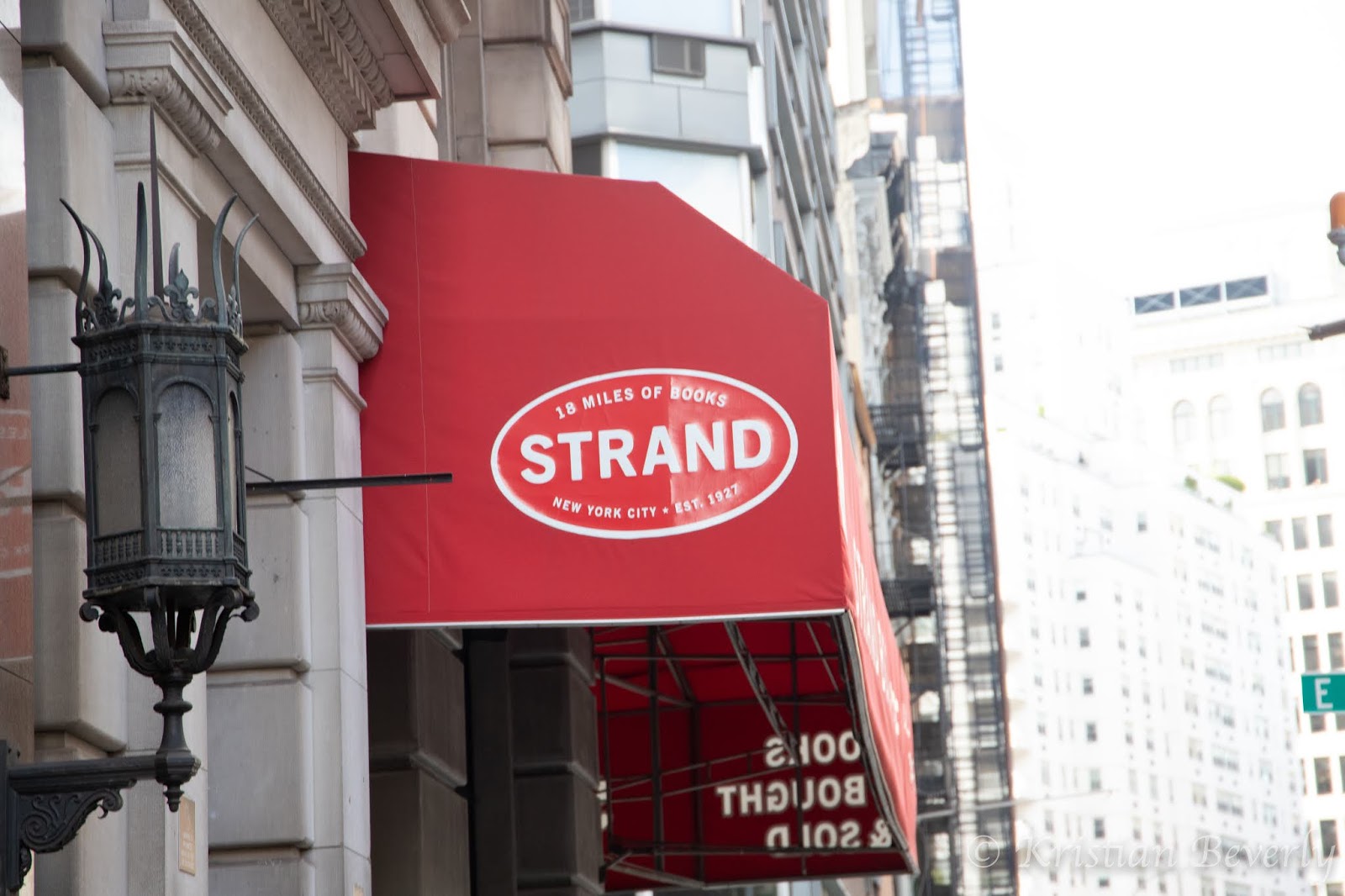
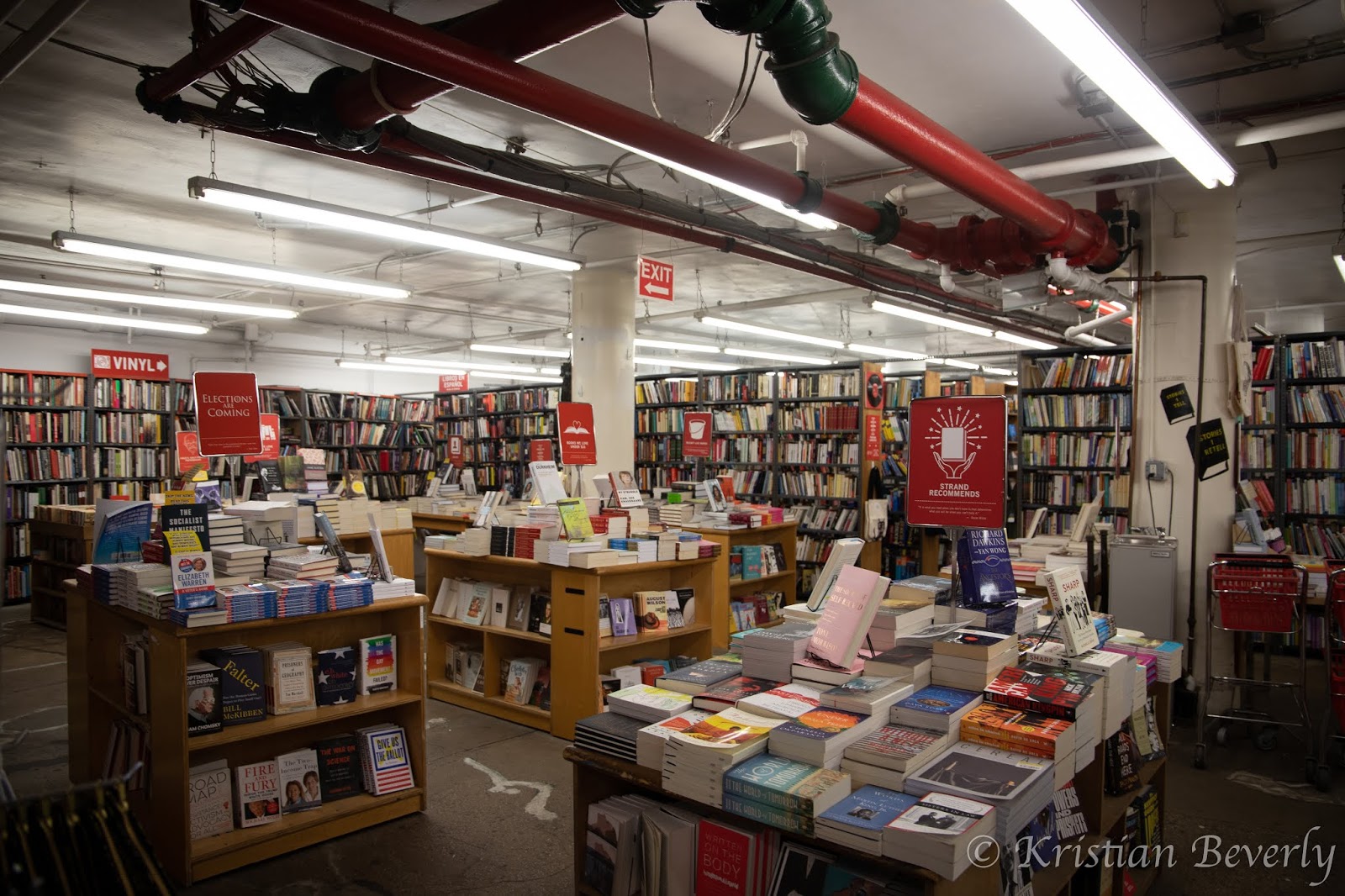
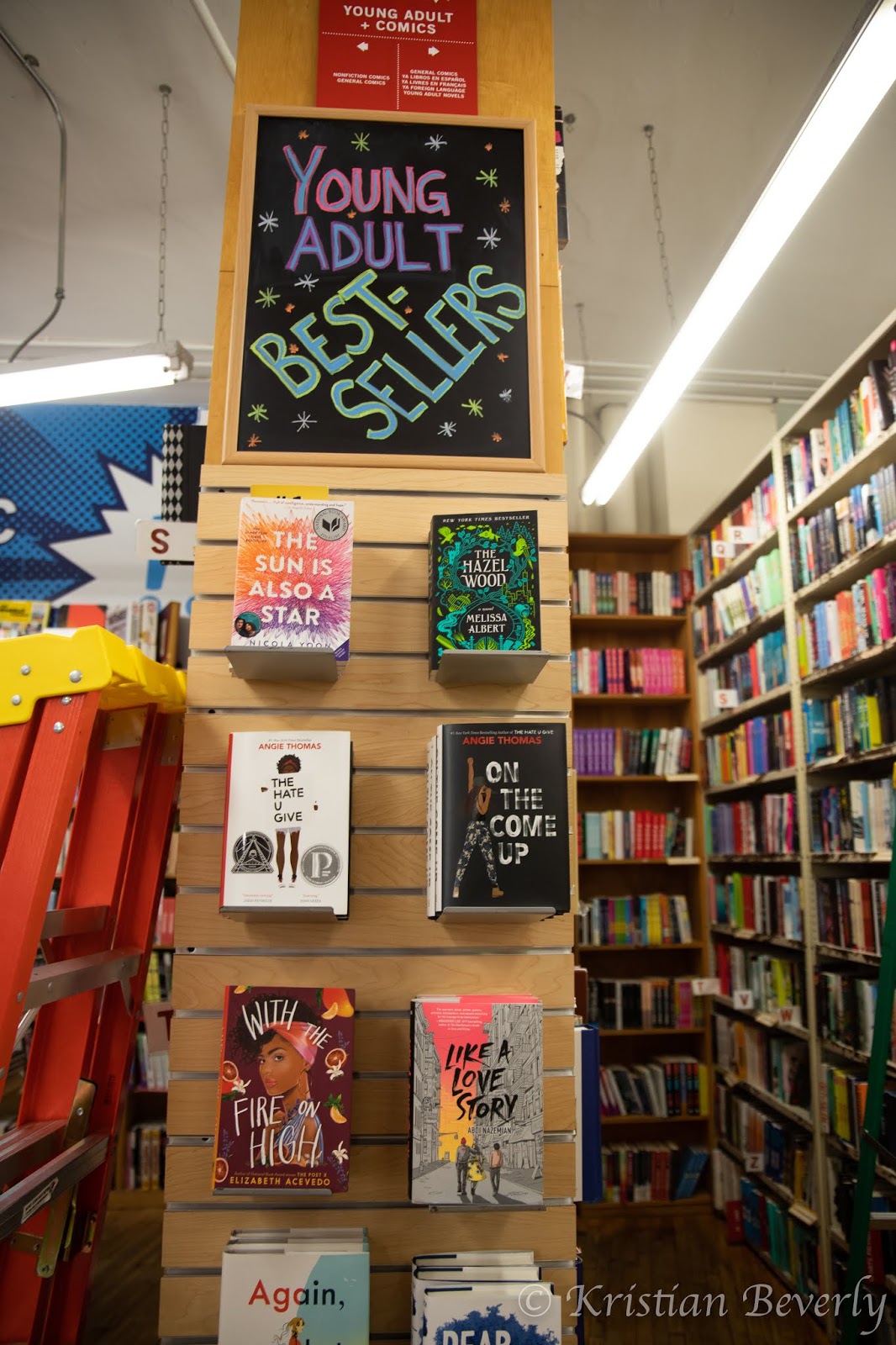
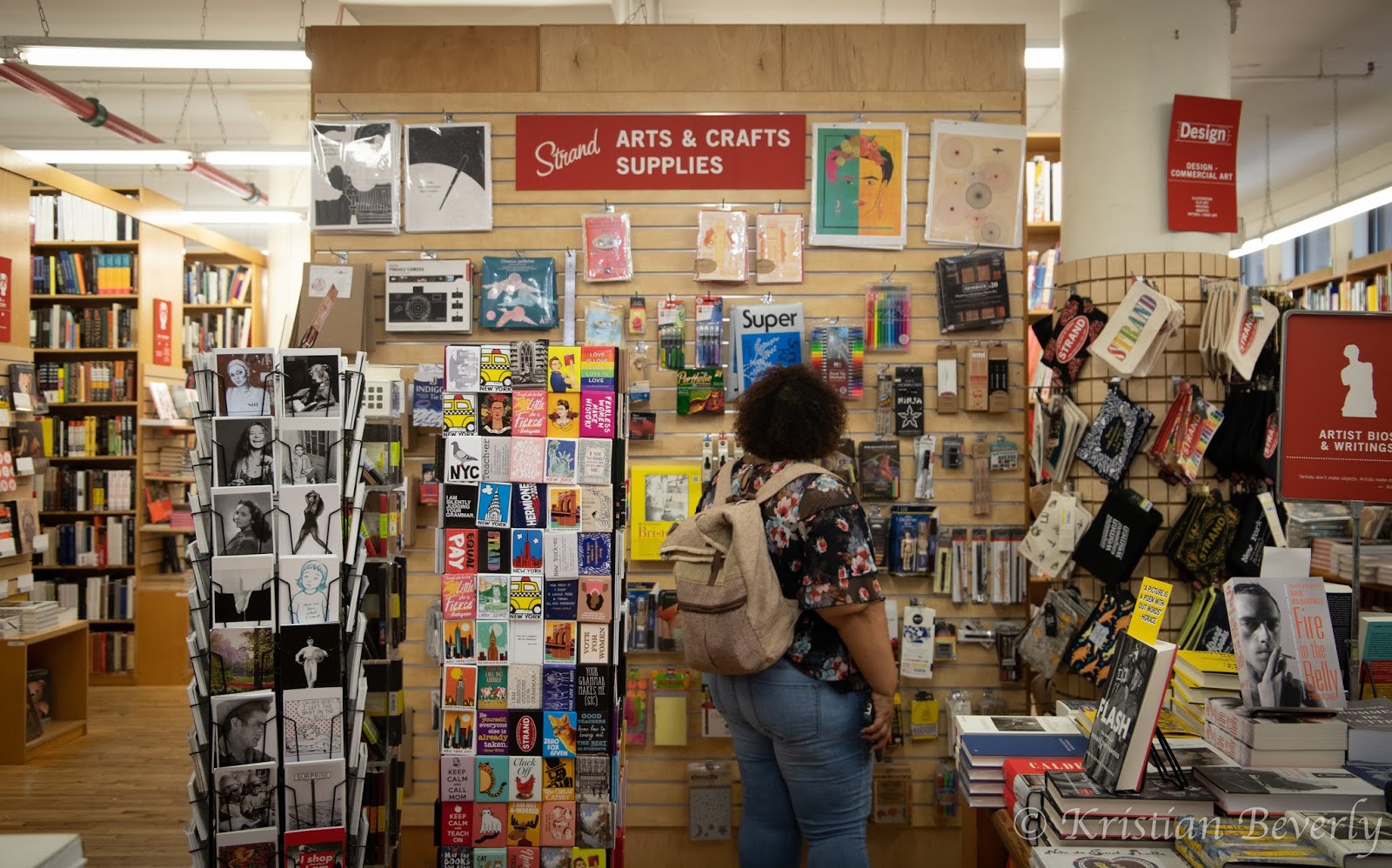
After we finished with the library, our next stop was the Strand. If you like books and ever find yourself in NYC, The Strand is a place to visit.

The Strand first opened in 1927 and was a part of the Book Row. Another nickname for the Book Row was “Second-Hand Row” because most of the bookstores sold used books. The Book Row was a NYC district and at its peak had 48 bookstores. The Book Row was around from the 1890s to the 1960s. The Strand is the only surviving store. A mix of rent increases, ownership deaths and retirement transformed the area into apartments. The Strand moved in the late 1950s because of the rent increases. 
Today, The Strand carries over 2.5 million books.
They range from used. 
To new.
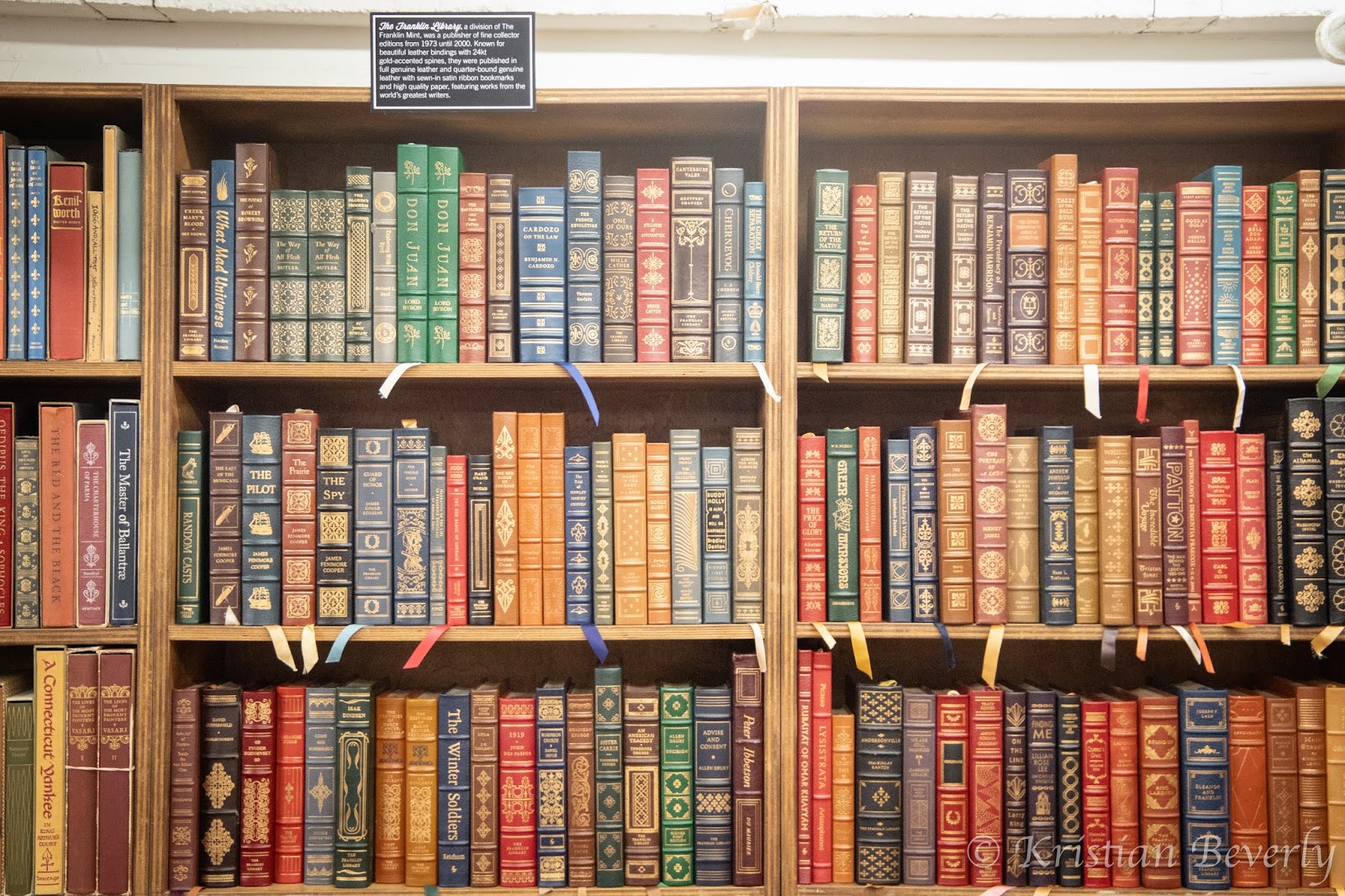
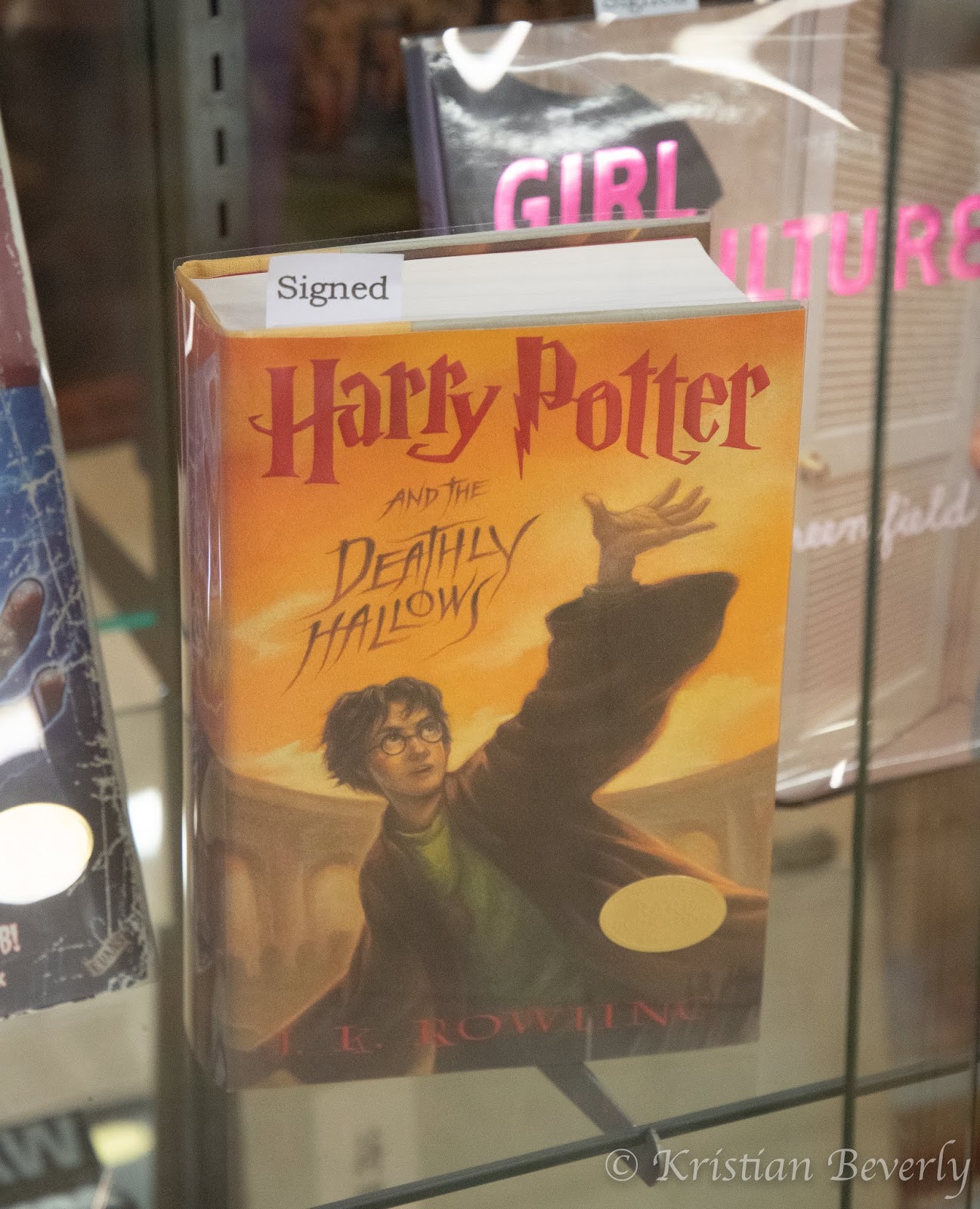
Rare books.
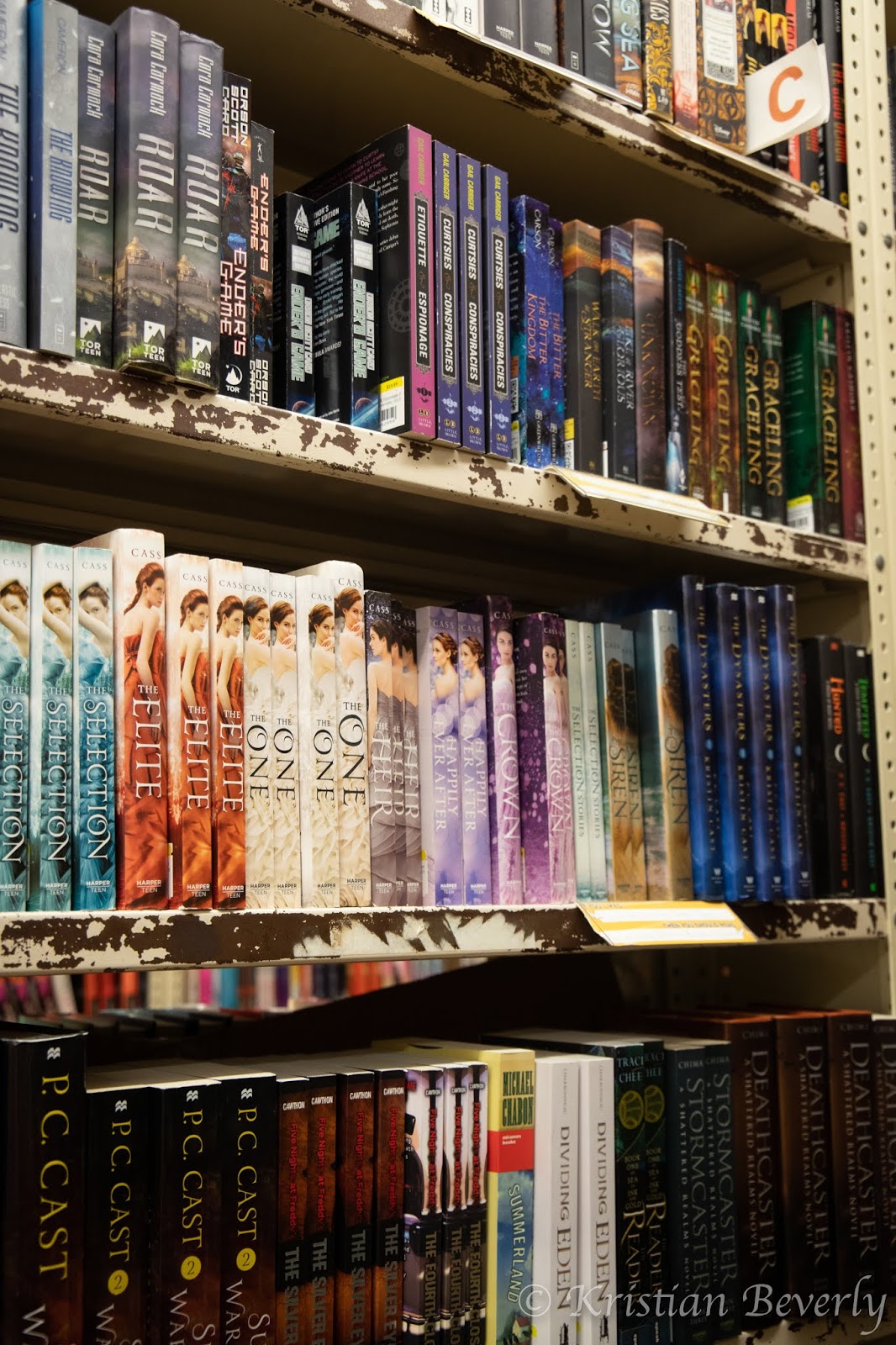
To common ones. 
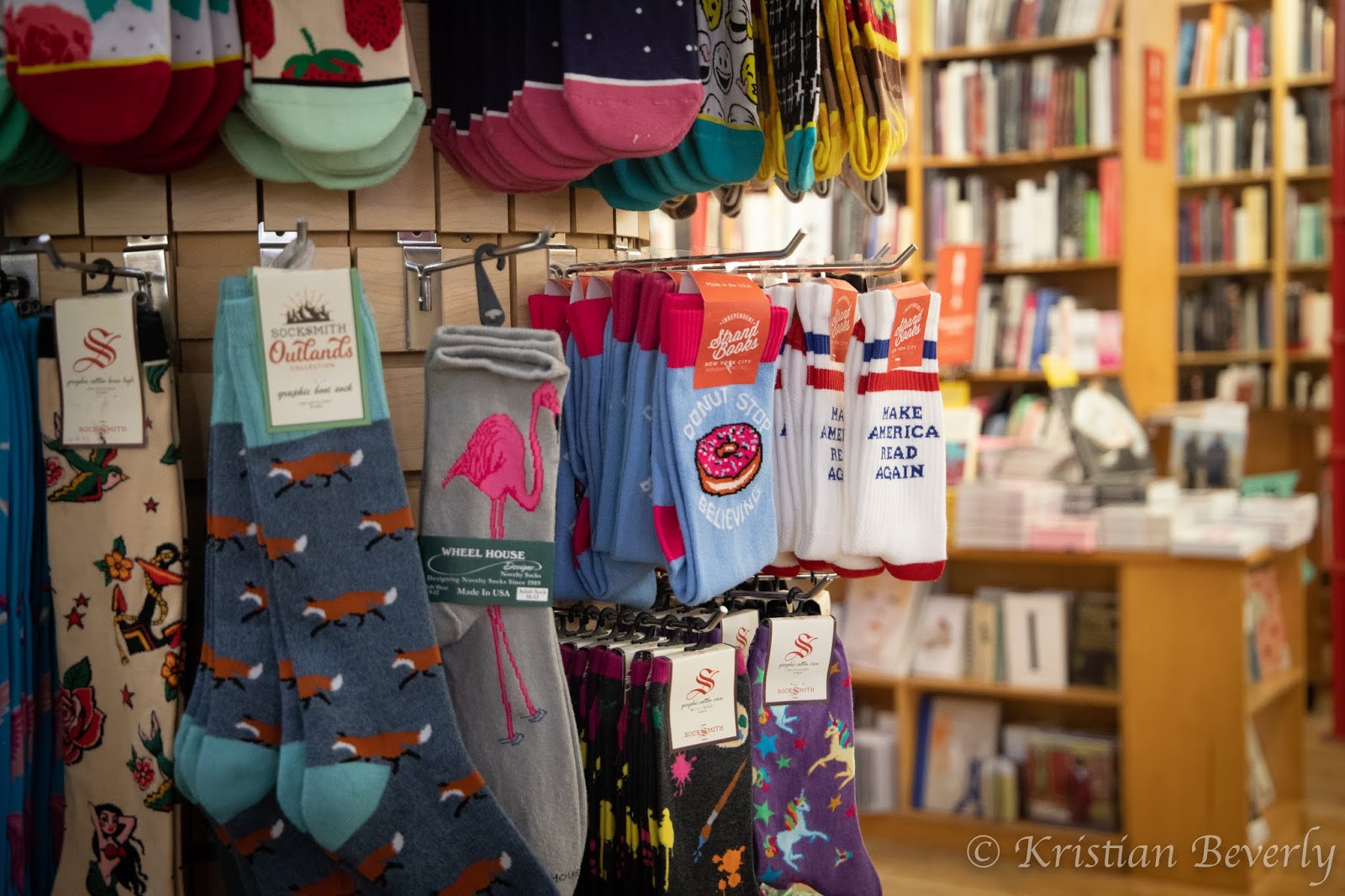
I loved all of the different parts of its 3 stories.
There’s something for everyone in there. 
After we wandered, it was time for the conference to begin!
Sand Pounders Part 1

December 7th is remembered as the day Pearl Harbor was attacked. December 8th is remembered for Franklin D Roosevelt’s famous infamy speech that started out as this:

Yesterday, December 7th, 1941-a date which will live in infamy-the United States of America was suddenly and deliberately attacked by naval and air forces of the Empire of Japan.


Prior to Pearl Harbor the USA was divided about getting involved or staying out of World War II. Pearl Harbor changed all of that, awakening and thrusting the United States into a two front war in the Pacific and Europe (Nazi Germany declared war on The United States on December 11, 1941).
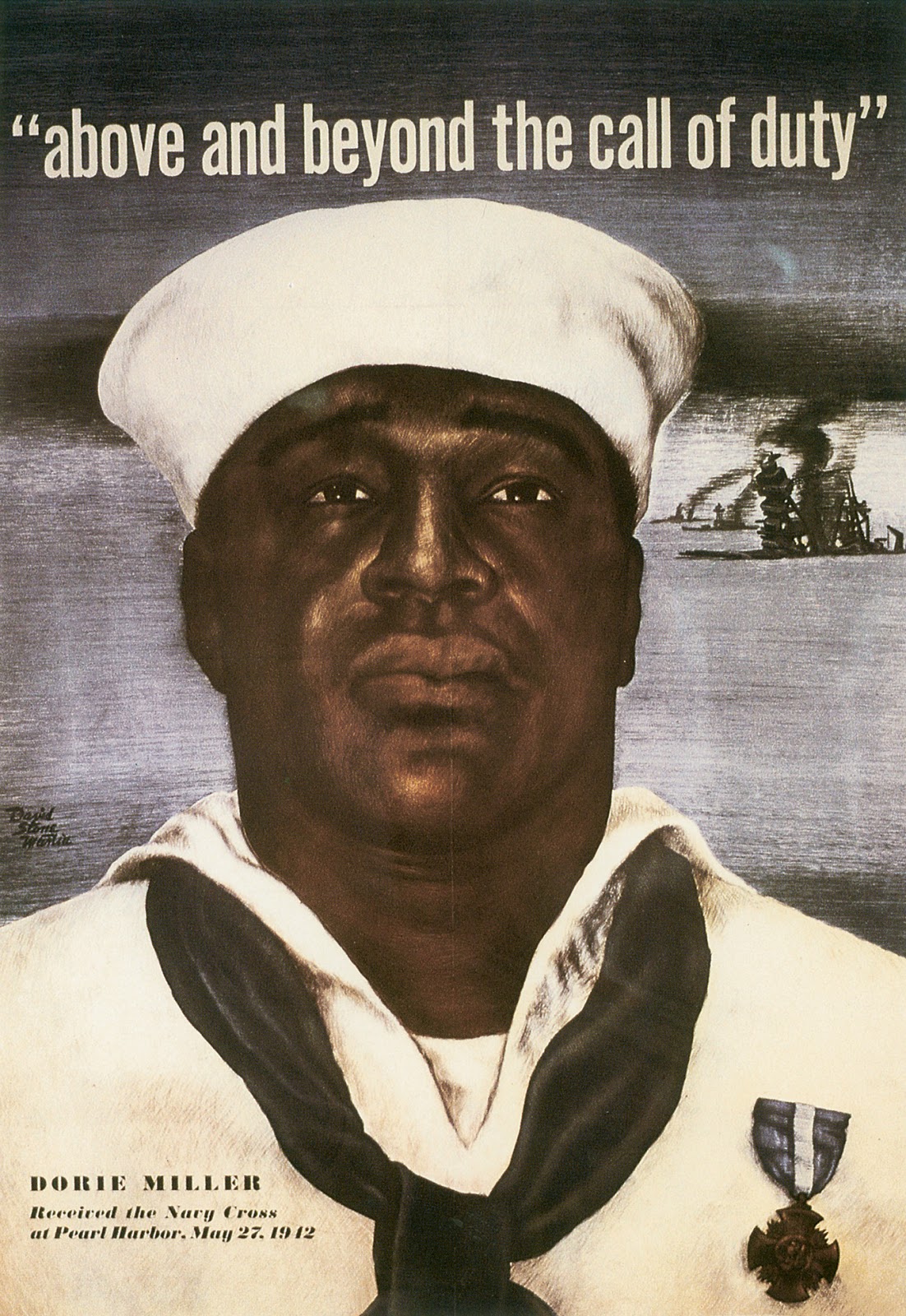
War Time Poster: Doris Miller shot down fighter planes and helped move
crewmates during Pearl Harbor.  He was the first African American
 awarded The Navy Cross. 
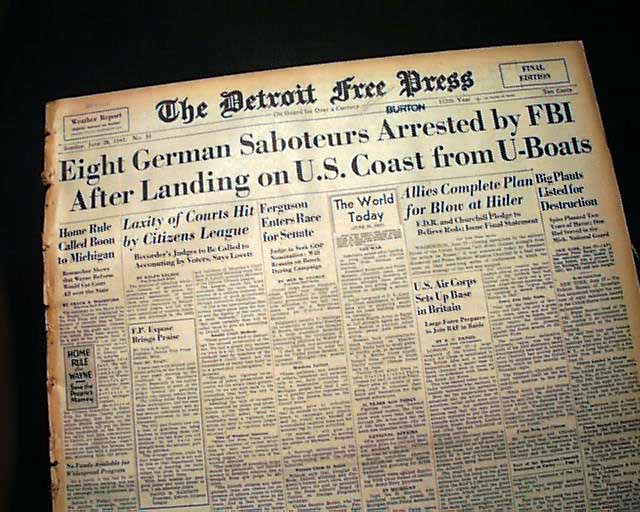
A fear of the time was the potential for a coastal attack from the axis powers (Imperial Japan and Nazi Germany). This was cemented in the summer of 1942. During the span of WWII only one enemy face-to-face interaction occurred in the continental USA. 
Source

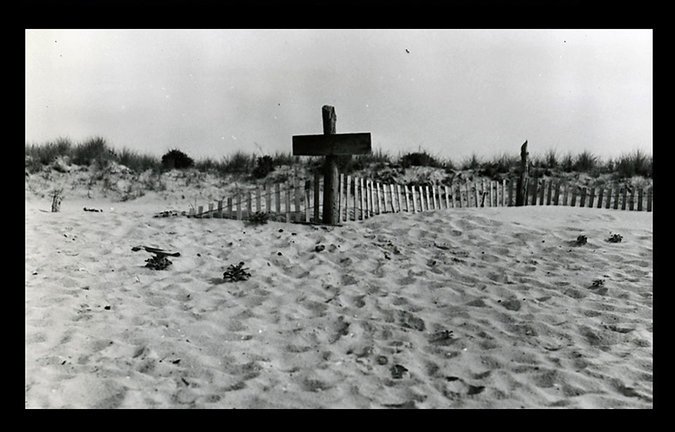
That happened on June 13th in New York.  This is an interesting story.  It was a bit after midnight and John C Cullen was patrolling the beach. It was a particularly foggy night when he came upon three men that said they were run aground fishermen. It seemed like a believable story until one of the men yelled in German and the leader of the group asked Cullen if he had a father and mother that would grieve for him. The leader then proceeded to say, “I wouldn’t want to have to kill you.” Cullen realized that this was a good time to find a way out since he wasn’t carrying a weapon. Cullen was given 300$ to forget what had just happened and took the money (which was actually 260$). He immediately alerted authorities. 

When the fog cleared some of the items found buried in the sand were a Nazi swastika, bombs, and sabotage devices.  The plot was foiled when the leader of the group turned himself in and revealed what their plan was. 

Cross marked where explosives were

Sand Pounders

Since I’ve gone over a bit of the background info here’s where the horses come in. 
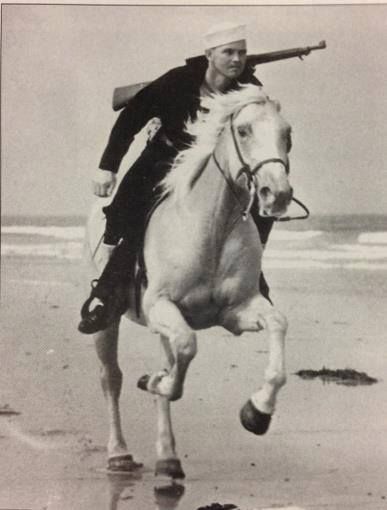
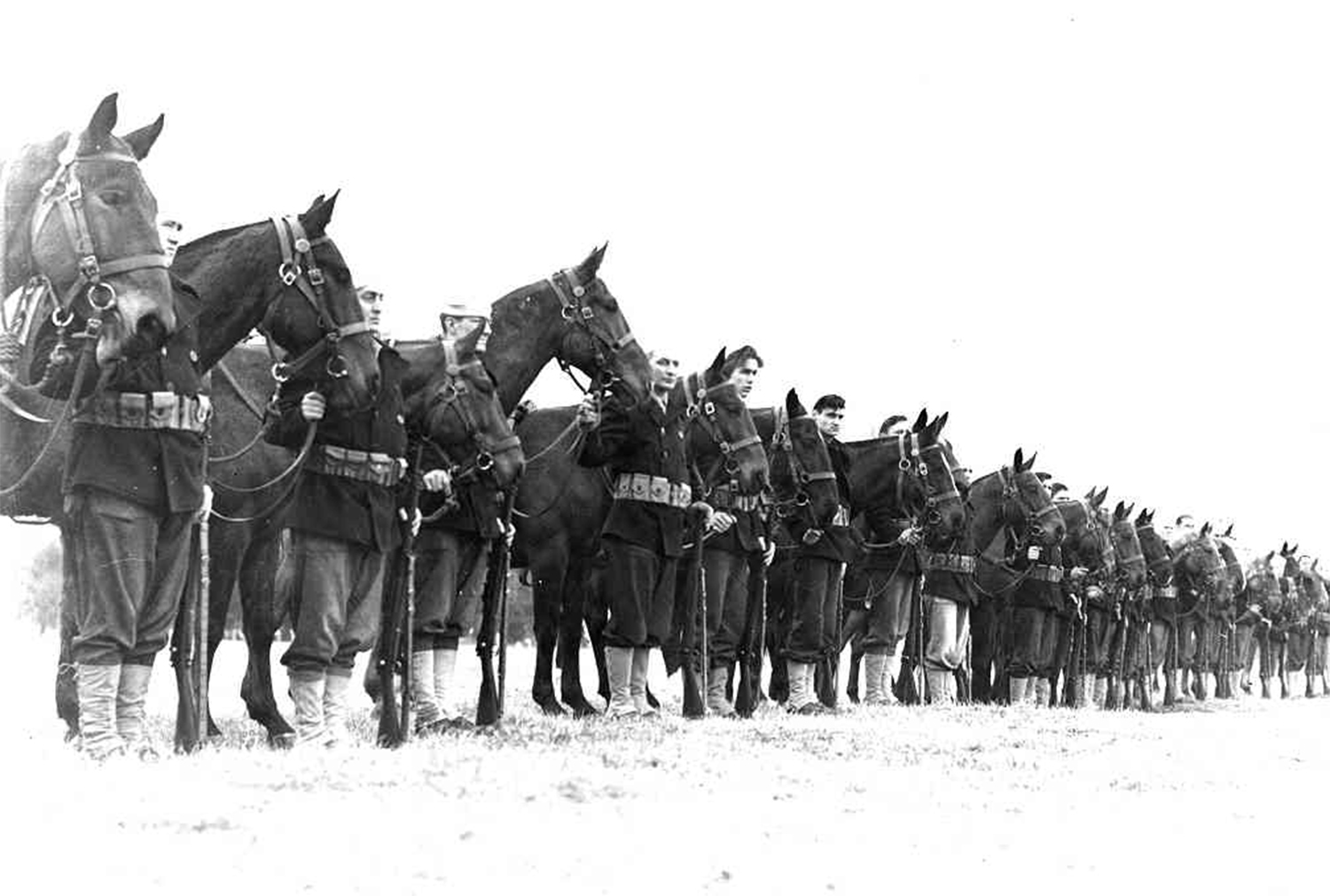
In September 1942 horses were authorized to be used in the beach patrol. They were from the US Army and the tack came from the Army Remount Service. The Coast Guard supplied the soldiers’ uniforms. It was the first and last time the Coast Guard used horses.
Horses could cover more ground at a faster pace then men on foot and they could also carry more weight, like the 35 pound radio transmitter. Dogs were also brought in as well to help guard the beach. They became known as the “Sand Pounders.”
Photo Credit: US Coast Guard


The goal of the patrol wasn’t to take on the enemy. 

Coast Guard Historian, Chris Havern said, “While it was not their mission to repel an invasion from the sea, the Coast Guard beach patrols performed a vital function insofar as the morale of the America people was concerned. The beach patrols provided a presence that reassured the American home front that they were being protected by a vigilant armed force.” 

Photo credit: National Park Service 


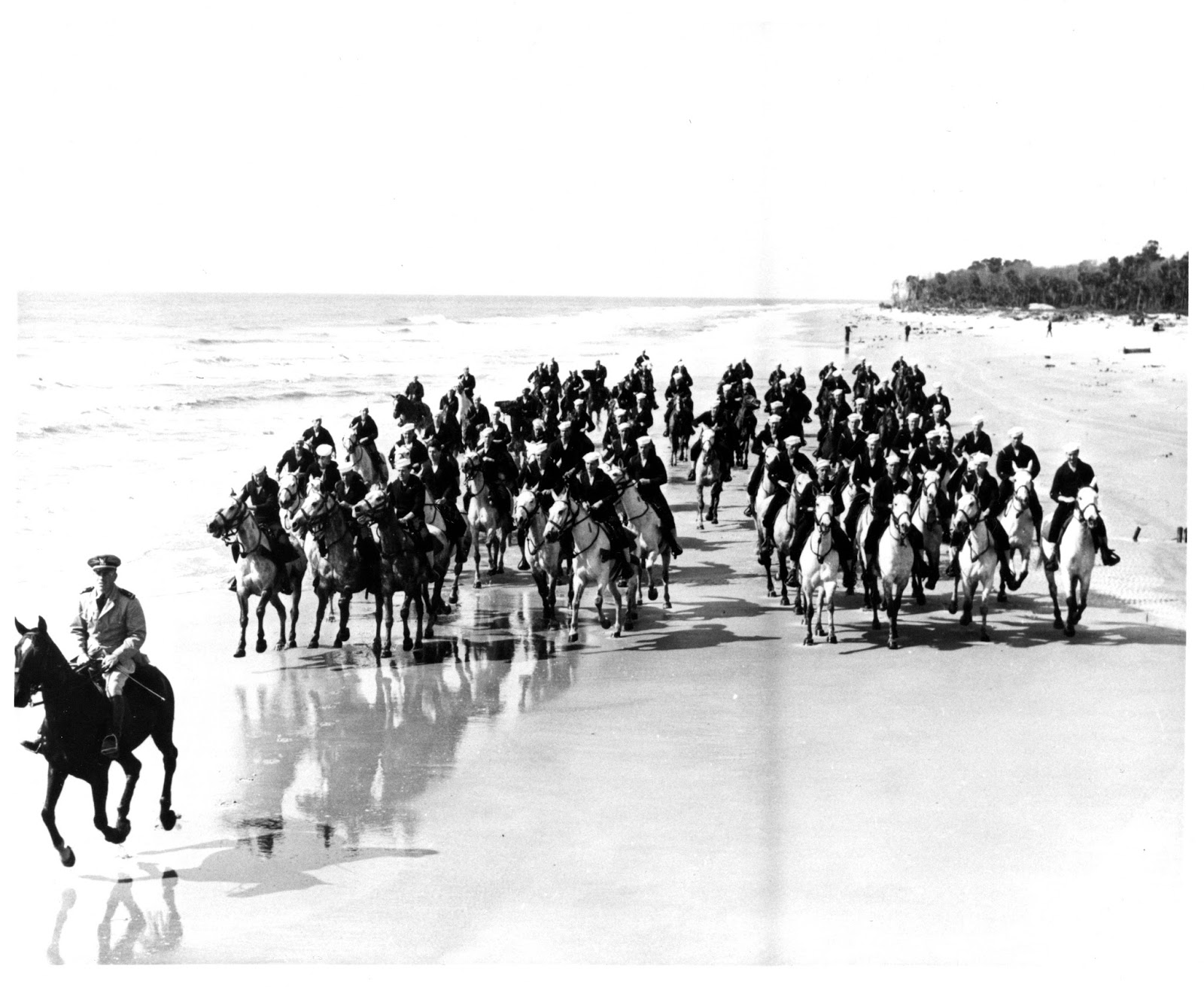
The mounted unit needed riders so a call was put out. They ended up with riders from a varied background like cowboys, horse trainers, jockeys, polo players, and rodeo riders. The mounted unit ended up being the largest part of the patrol. Over 3000 horses were a part of it.

Photo Credit: US Coast Guard


Training took place at Elkins Park Training Station, PA and Hilton Head, Sc.  They didn’t patrol all of the beaches of the United States though. The New England beaches weren’t safe during the winter and other spots in the country didn’t have the supplies to house horses. From the US Coast Guard blog, the spots where the mounted patrol worked the best were the mid-Atlantic, Florida, Oregon, and Texas beaches.

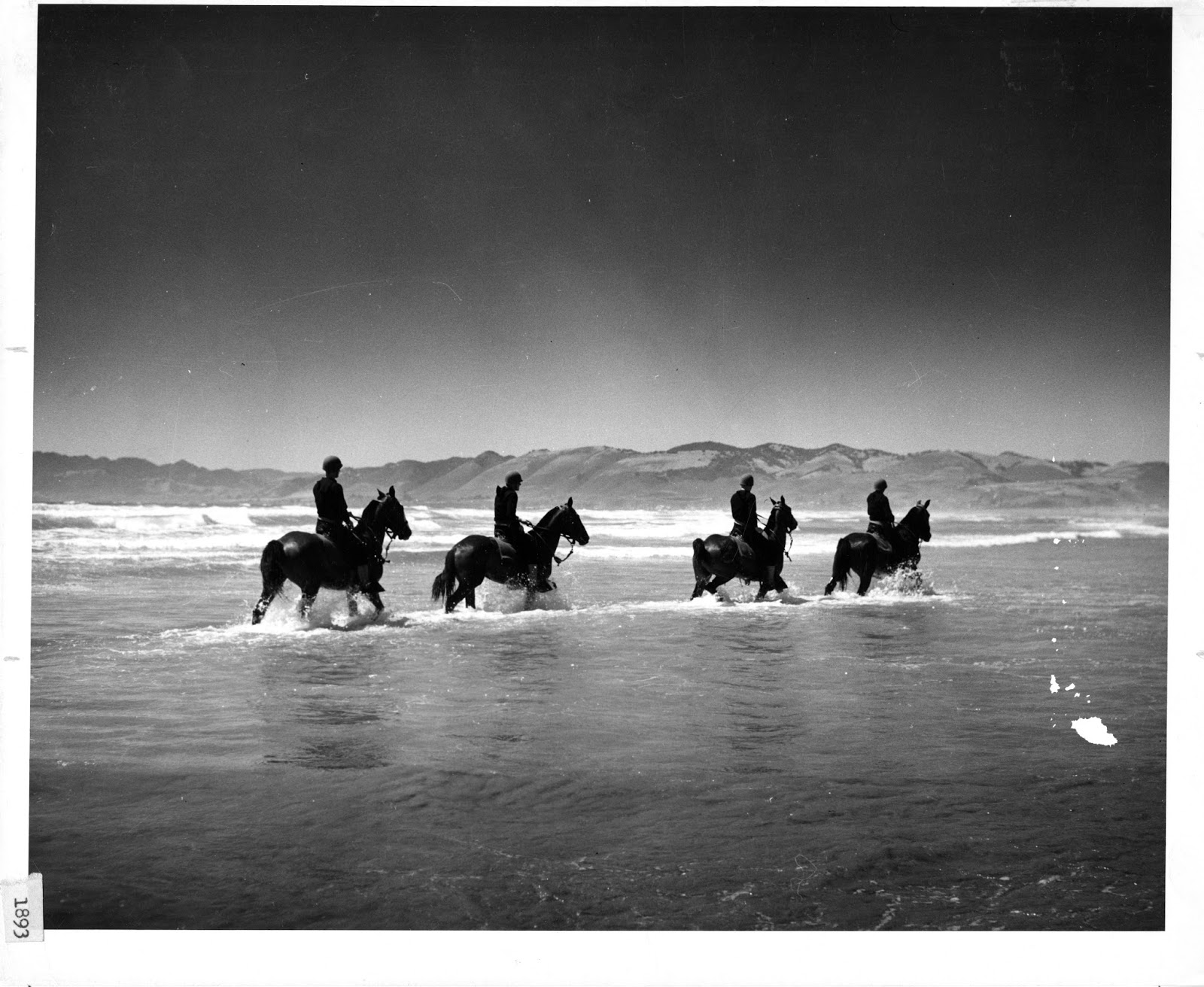
Photo credit: US Coast Guard
Mounted teams required at least two riders. The riders each carried a pistol and rifle. One carried a radio too. From researching I couldn’t find any evidence that the Sand Pounders ever actually thwarted an attack. Or even saw any sign of enemy U-boats or ships. Which is a good thing, even if it meant the men rode and rode and rode without seeing anything. 
The Sand Pounders lasted for two years. It wrapped up in 1944 since the threat of Nazi Germany or Imperial Japan attacking the United States shorelines had decreased to where it was nonexistent. 
The Army Remount sold the horses at public auction at the end of the patrol. 
Photo Credit: US Coast Guard

When I first read up on this I thought how interesting it was. Mounted beach patrols during World War II? And nothing bad ultimately happened? Perfect. It’s a very brief part of US history, but it’s a unique slice that hasn’t been repeated since. Next up I’ll talk about how this can be done in model form!

Sources:
John Cullen, Coast Guardsman Who Detected Spies, Dies at 90
Coast Guard Combat Veterans: Semper Paratus By James C. Bunch

The First Derby Winner

Tomorrow is the 139th running of the Kentucky Derby. But where did it all start from?

The First Derby Winner

Using this book, here’s the story of the first Derby Winner. 

On May 17, 1875,  10,000 fans went out to Churchill Downs. They flooded the grounds in wagons, buggies, carts, and carriages.  The fashion was still the same as it is today. Ladies dressed with decorated  gowns, hats, and gloves.The first Kentucky Derby cost $1050 to enter. $50 was for the Stakes and $1000 was paid to the Louisville Racing Association. The award was a 300 ounce silver punch bowl worth $1000. 

I pulled the list of runners from Wikipedia

  • Aristides
  • Volcano
  • Verdigris
  • Bob Woolley
  • Ten Broeck
  • Grenoble
  • Bill Bruce
  • Chesapeake
  • Searcher
  • Ascension
  • Enlister
  • McCreery
  • Warsaw
  • Vagabond
  • Gold Mine 

Instead of starting gates, the horses lined up and waited for the flag to be dropped. Once it was dropped, the horses took off. 

Source
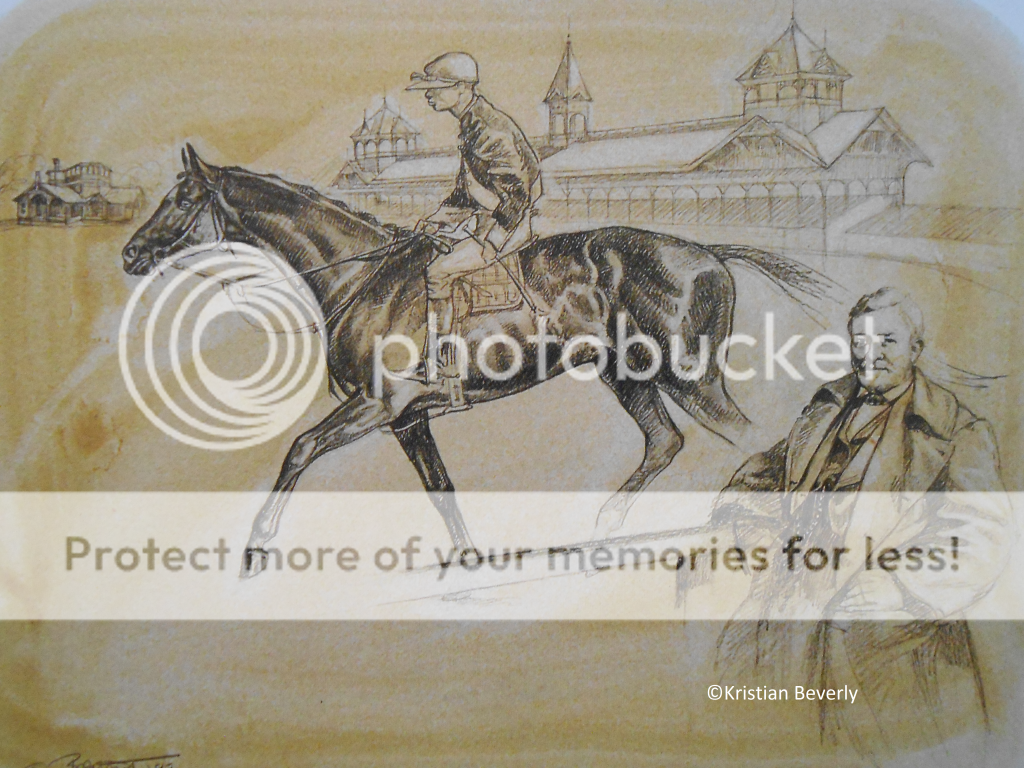
In the 1875 race, Volcano took the lead, but Chesapeake broke last. At the half-mile pole, McCreery was in the front, but Aristides eventually won. He set a new track record at 2:37 3/4. Aristides was only 15 hands and was called the “Little Red Hoss.”
Drawing of Aristides

A statue was made to honor Aristides. He won $2850 for his owner, H.P McGrath. I couldn’t find any info about what happened to Aristides, but he’ll always be a part of history for being the first Kentucky Derby Winner.

Source

Don't Judge A Book By Its Cover PT. 3

Here’s the final installment of the Misty Ponies!

Last I talked about the Misty Ponies, I talked about Sea Star and Misty.

Picture I took in Beebe Barn
Picture of Marguerite Henry and Misty

Now come the descendants.

Misty along with her foals–pic from here

Stormy was Misty’s last foal, and is the one that kept Misty’s line going. Misty’s other foals, Phantom Wings and Wings O’ Mist, died from getting sick off of feed and the foals they had did not reproduce.
So Stormy kept on the line. Marguerite Henry wrote, Stormy, Misty’s Foal, off of her birth.

Misty and Stormy–Photo from Here

Doesn’t the picture look familiar?

The interesting thing about the story? For Stormy’s actual birth, she and Misty lived with relatives of the Beebes. The whole flood and being on the house steps were real though.

Misty and Stormy on the steps-from here

Stormy, once she passed away, was preserved along side her mother.

The Breyer model and the real Stormy’s markings match.

Misty’s other foals never became as famous as Stormy. Breyer did commemorate Phantom Wings with an adorable model of him. He passed away young along with his his sister, Wings O’ Mist , so even though they did have foals, they did not have any descendants to keep the lines going. The Breyer Model and the real pony’s markings match.

Sign that was in the Beebe House

Phantom Wings-Photo from Here, where you can buy the picture

Misty’s Black Mist along with Misty II and Misty’s May Day Twister were made by Breyer to commemorate the 50th anniversary of Misty of Chincoteague. There have been books written about the ponies, but I have not read them.
Misty II’s model has the same exact markings of the pony. Misty II was the last grand foal of Misty alive. She died years ago. She was named Misty II because she carried the same pattern as the original Misty. The mold is a mare so that’s always a plus and the color is pretty close.

Pic from here

Now for May Day Twister and Black Mist, it’s a completely different story. First off Twister’s mold is a colt. The real pony is a mare. The markings are also completely different. In real life, Twister and Black Mist are Misty II’s foals. Twister is also a part of the Chincoteague Drill Team.

Twister and Misty II-Found this pic on Facebook

For Black Mist, the only problem is the mold. The markings are correct. Black Mist once again is a mare. The mold is a stallion/gelding which doesn’t particularly help a mare. Black Mist was a part of the Chincoteague Pony Drill Team.

Black Mist Also has a Facebook Page

Nightmist is a Misty Pony, even though Breyer hasn’t made a Breyer model of him. Jessie-Ann Friend wrote a book about him, which I have and it’s signed! It’s a cute story about Nightmist told similarly in the same way as Marguerite Henry wrote.

 Nightmist was Windy’s last foal. Windy died shortly after he was born due to the fact that she was old when she had Nightmist and his birth put alot of strain on her. I was lucky enough to go to the stallion’s birthday party in 2008 and took some pictures of him. He died a couple years ago from colic.

Nightmist’s birthday party

The last Pony who we will look at is Misty’s Twilight. The model and the real horse have the same markings. Misty’s Twilight in real life is only part pony, hence her larger size. She was the last Misty Pony that Marguerite Henry wrote about, and I haven’t been able to find any info about whether or not she is alive.

Misty’s Twilight–Photo from Here

Well, that’s the last of the Misty ponies. Who knows, maybe I’ll dig up info on other horses that were based on books and look up info on them. 🙂

Misty and Marguerite Henry–Pic source

Some Misty Articles You may like reading:
End Of An Era-Selling of Beebe Farm
Misty’s Heaven- All Misty descendants
Chincoteague Pony Centre