Getting Ready for BF C/Y Show-Making Customs With Performance In Mind-Pt 2

If you haven’t read the first post, here it is Link.

The next part of this mini series will be about events and breeds.

What types of events do I want to use my model in?

There are many events that you can show a model in. But if you are making a model for a specific event, you can not just Google the event and pick up the first horse picture you see. Remember, and I can not stress this enough, for performance research separates the good performance showers from great ones (there are other factors, but this is a biggie).  Before making the custom, go to International Federation for Equestrian Sports website to see the rules for events. Knowing what the faults are will help you narrow down and figure out what is and what isn’t acceptable when looking for reference pictures. If an event isn’t there, go and look up rules for open shows, or breed association rules. A big example for researching before hacking, is western pleasure. A big no-no is peanut rolling.

 So you’ll want to steer away from such a position  The same goes for Dressage. Rolkur is not seen favorably and is also banned by the FEI. So making a horse way behind the vertical and looking distressed is not the way to win dressage. Picking the events really boils down to research.. research..and even more research. You want to find the perfect movement and reference picture, depicting a winning picture of a horse doing what it’s supposed to do.

For making a horse that spans over a single type of seat, ex. English, you could either take a model and make it on the bit with happy ears or Google general pictures of English horses and wait until you find a horse that’s in a versatile pose that you’re looking for. 
So for events remember 1) research 2)research and 3) Make what you like
Even if the model does not win, remember that if the model you’ve made is something you love, then you’ll like it at the end of the day. You won’t become angry with it and toss it into the trashcan, or snap off all of it’s legs and then throw it into the trashcan. (Can you guess that I’ve heard stories like this? Yup I have. Even though such behavior could be added to the list of a sore looser 🙂 ).

Breeds

Breeds and Their Special Things

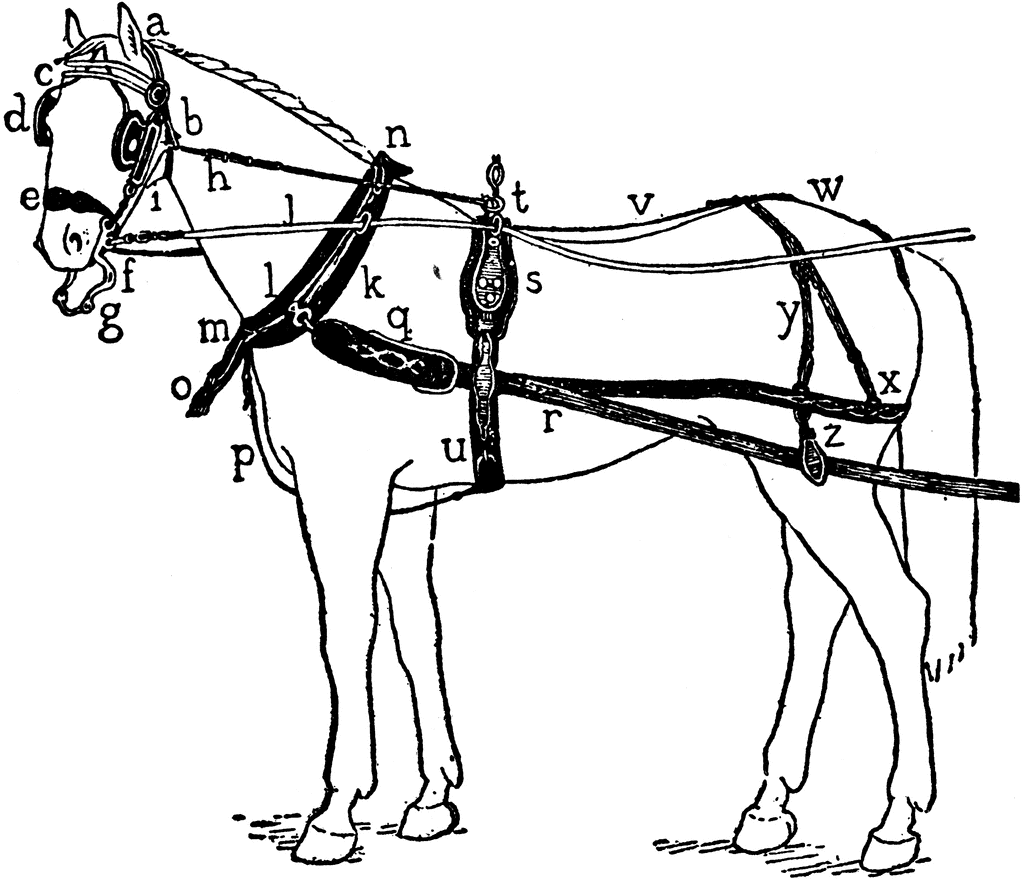
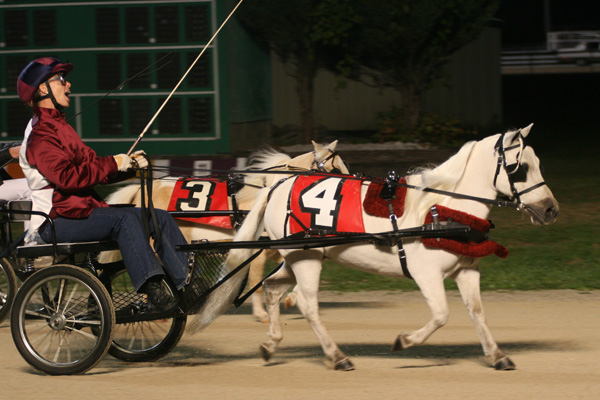
When deciding on the breed of a model, remember that some horses can not *easily* show or not show period in some  classes. For example, a Peruvian Paso horse performing the paso llano can not show in Olympic level jumping. Why? A horse performing such a gait isn’t doing something that would depict such an event well. It’s the same thing as a Mini horse being put into a trotting harness and being set against Standardbreds in the Hambletonian. Doesn’t work, right? Specific events are only for specific breeds. Remember that when researching and deciding on your model breed. If you want a horse performing a special gait, remember that the amount of classes that it can show in will be cut down.

Pic Source

Another important thing that I will expand on more later is conformation. Look up the breed info and find the horse that is a great depiction of the breed. Sources that are great are champions. Original foundation horses can show the deep first roots of the breed.

Also, do not follow fads. Fads are called fads for a reason. They don’t last. So when making a model, find a sturdy specimen that is parallel to the breed standard. Do not follow little things that are big today, but will be gone tomorrow.

Getting Ready For The BF C/Y Show–Making Customs With Performance In Mind-Pt 1

Making Customs With Performance In Mind

I love performance, and I usually make my customs to reflect that. For making customs for performance, there are some things to remember.

  • Am I going for versatility or single seat?
  • What type of events do I plan for the model to be able to be used in?
  • What breed do I want?
  • What classes can the Breed not participate in?
  • What pose do I want?
  • Is the model being made to be tack friendly and/or doll friendly?

Those are all of the things that you need to remember when making a performance horse.
For the Breyerfest C/Y show there are four divisions: English, Western, Other, and Scene.  Within each, there are multiple classes. English and Western can have the same horse preforming in each division (One horse can do all of the western, another can do all the English, etc). Other can only have one horse per class. Scene is a different beast, but you can still only have one ‘main’ horse per class.

Am I going for versatility or single seat?

If you want to have a custom that can do it all, you must remember these things: mane, tail, and pose. You also have to remember documentation. If you have documentation that’s creditable, your horse can do many things. But it must be creditable. For example, English horses have braided manes. Of course if you have documentation showing that they can been shown in English classes having banded manes, go right ahead. Also documentation shows the level that you’re horse is at and what’s allowable, but I’ll explain that later when we get to performance showing.

Mane And Tail

If you want a model to be used in English, having a braided mane and tail is a good start. Generally English horses have a braided mane and a possible braided tail. Here’s a great how-to on doing it:
How To Make Braids PT One
How To Make Braids PT Two
Even within English, horses that are for cross country have loose manes so their riders can grab on. Of course, to an extent some judges will make allowances to models. You can’t undo braids so your plastic model can be ready for Cross country after Showjumping, right?
Western horses generally have banded manes and loose tails. Here’s another great post on how to make those:
How To Make A Banded Mane

For a model to be versatile  it should have a mane and tail that allows for it to be able to cross over the lines of English, Western, or Other. Now, for myself, if I want a model to have a versatile mane, I make its mane loose and short to medium length. The tail is not braided but loose.
For example, this is more versatile

than this. The mane is the big versatility difference.

Pose

Now For Pose. Basically any horse that is on the bit with friendly ears makes a great versatile model. A standing horse is great, and can be creatively used for a numerous amount of classes.  This custom has been used in Western and Harness but I plan on using him in English too. He’s Nan Qualified in Harness. He’s on the bit with a friendly expression and attentive ears.
I know, this picture again 🙂 

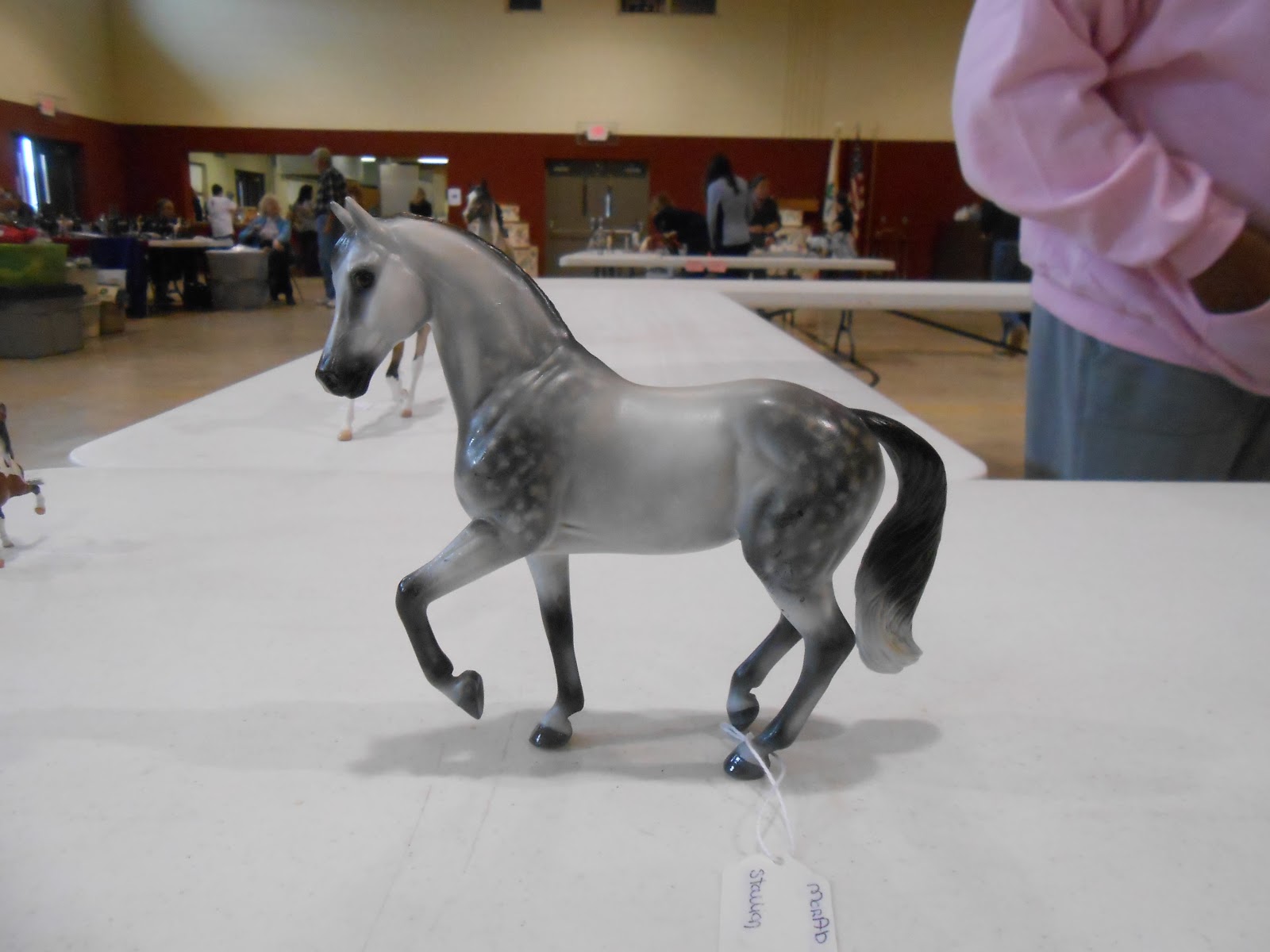
Versatile horses that are in a trotting pose really depend on their speed. Of course if you have a certain seat decided already, then go for it. Standardbred trotters will have a different trot than a thoroughbred trotting to the starting gates of a race. If you want a versatile horse, going at a slow-ish to medium-ish trot is good. Going too fast will not work for western pleasure.

This is a good speed—Pic source

For faster gaits, a versatile model will have to be on the bit and looking attentive. Cantering/loping horses can be used in many classes. Going at a relaxed pace is essential. Not too fast and not too slow makes for a good versatile performance horse.

If you’re going for a more specialized seat, such as solely western pleasure, the horse will be traveling at a slower speed. For barrel racing, the horse may be cantering around a barrel, leaning to the side. In jumping, the horse may be doing a ‘high’ headed canter, looking towards the next jump it will fly over.

Good versatile performance horse speed–Pic Link
Galloping belongs to its own beast. You must be very creative in your documentation to be able to have a versatile galloping custom. I’m not saying you can not, but it must be creative. Galloping horses can be found in many events such as racing. 
Poses such as rearing and bucking really aren’t versatile. A rearing horse being shown in western pleasure is a fault. Why? A horse in pleasure classes should be frankly a pleasure to ride. Such poses are really isolated to other classes like Circus. The rearing horse could be shown in jumping or any class, but it really is not desirable for the horse to be rearing. Performance is supposed to be taking a second long moment of real life and being able to depict it in model form. Bucking is great for rodeos, but it falls under the same category as rearing. They’re undesirable traits for a horse to be doing in many classes, so it really isn’t versatile. Still, it’s always cool to see such models used creatively in other classes.

This is why I love performance so much. There’s an endless amount of possibilities of what your model could end up like. Braids, Banded, loose, galloping, cantering, standing and many more!
Getting Ready for the C/Y Show–The Art Of Customs

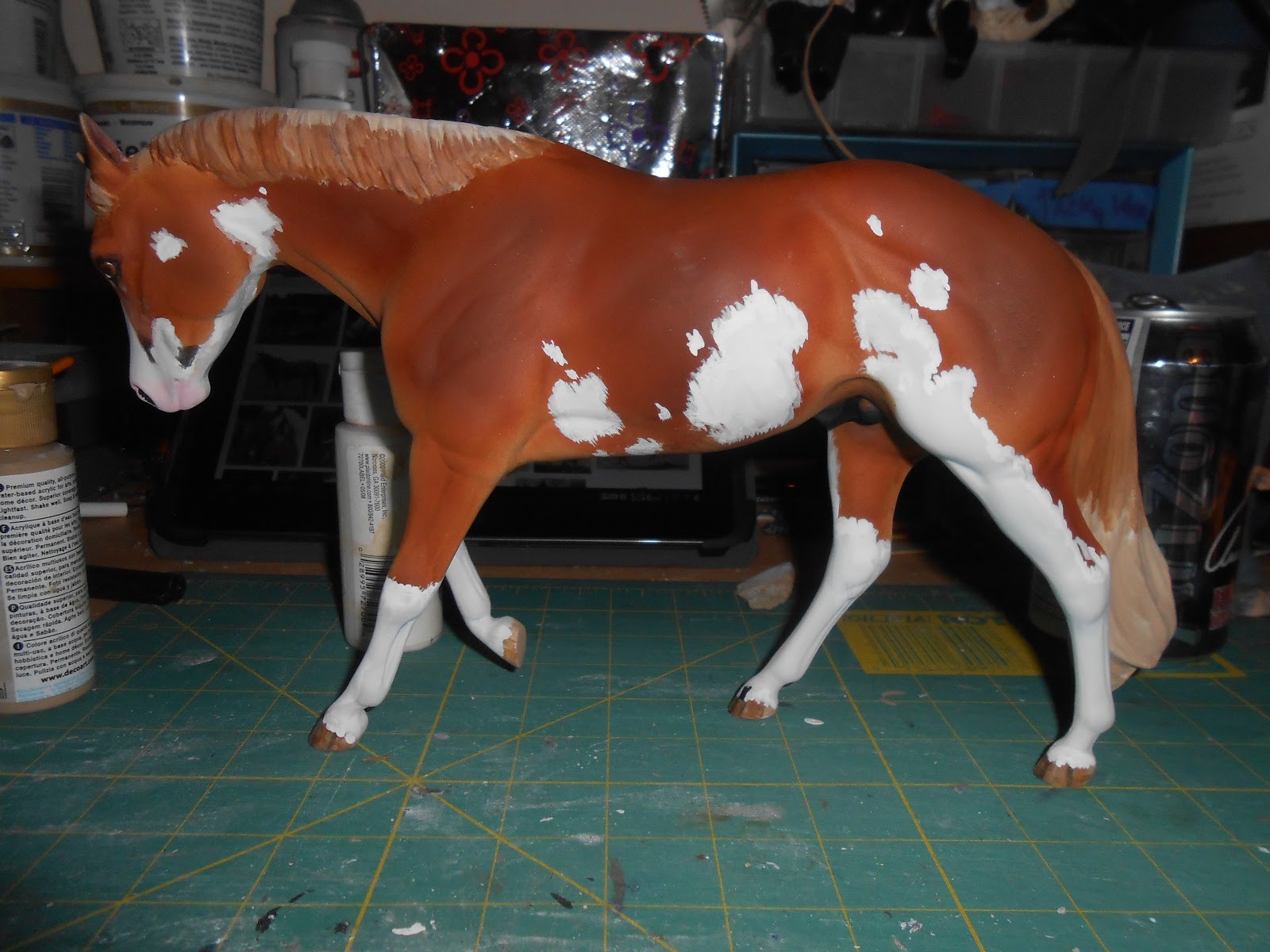
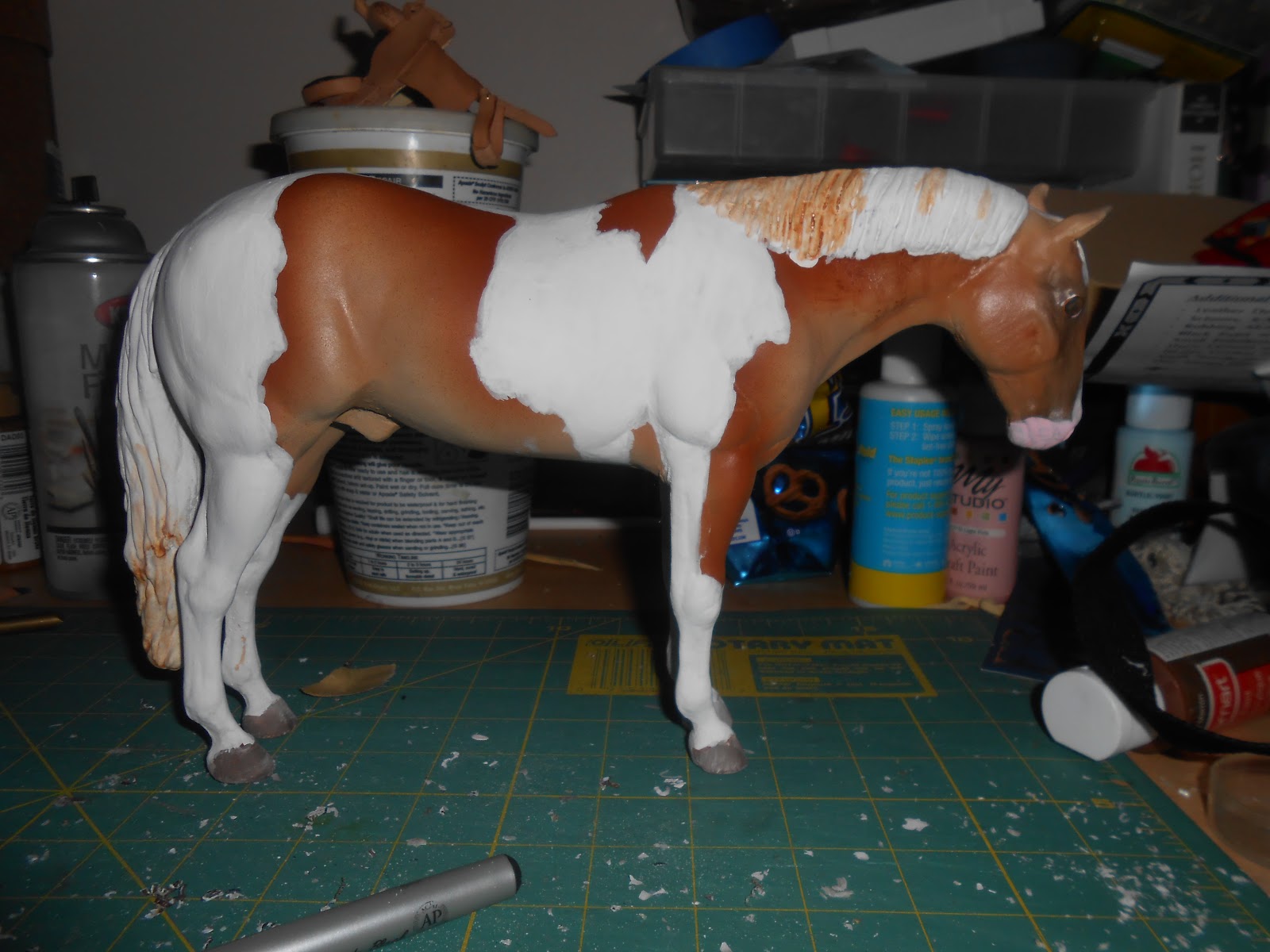
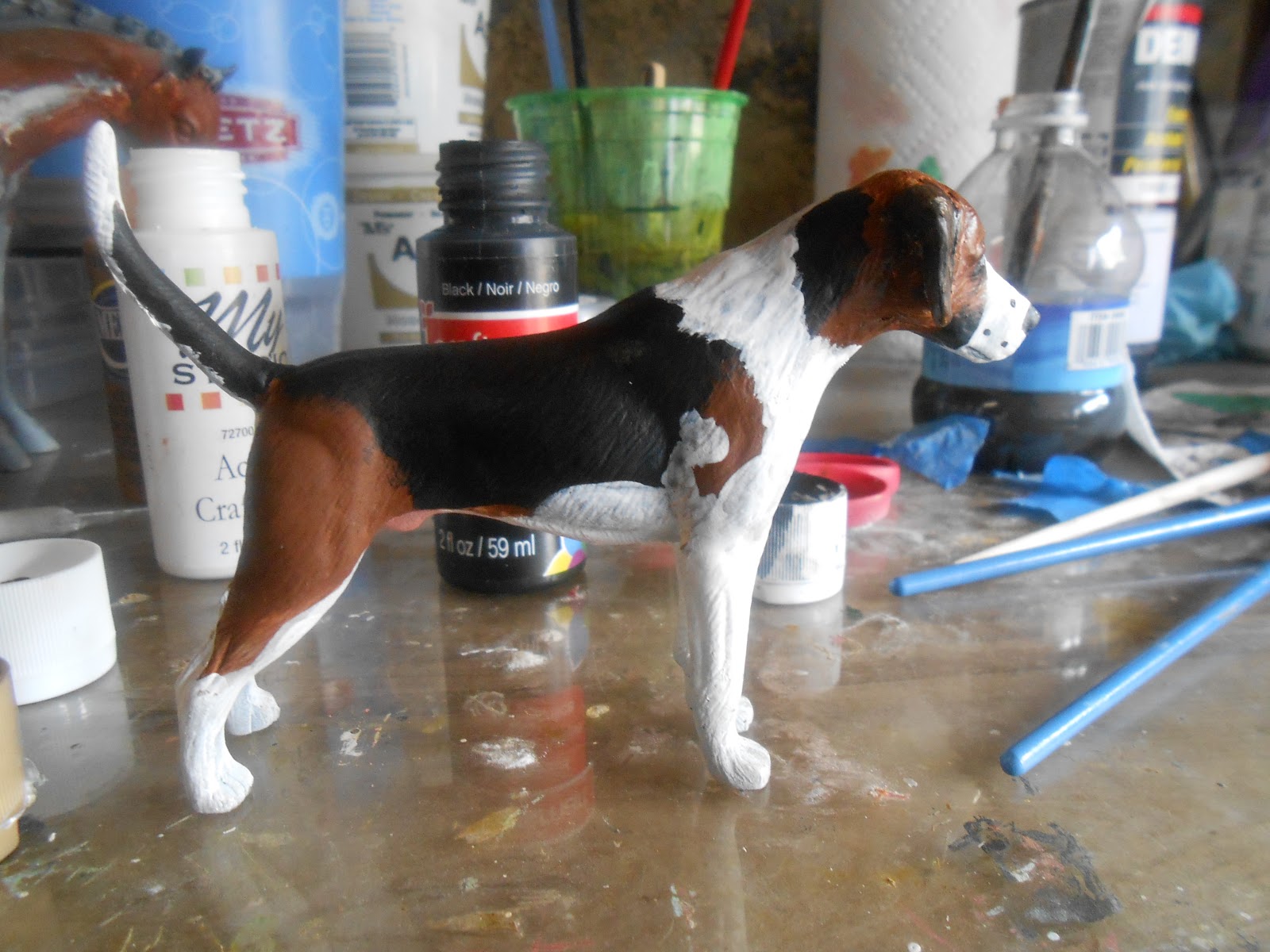
Customs come in every model size available.
They can come in dog shapes,

And horsey ones.

Horse Customs may be remade with performance in mind,
 

Or created for the fun pose.

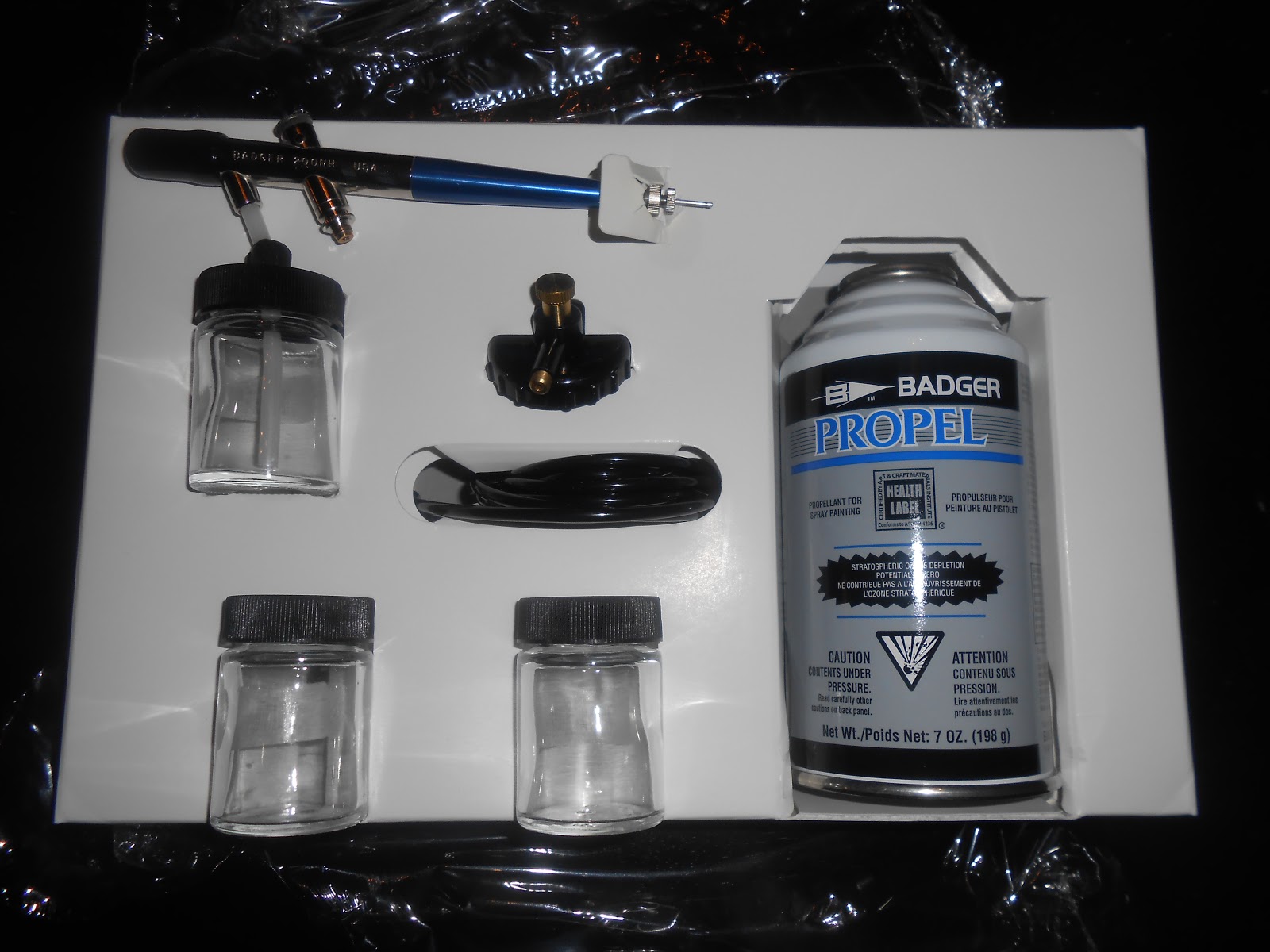
And supplies can range from pastels to air-brushes.
 

In short though, customs are always a change, whether in color or position, from orignal finish.
At the BF C/Y show, entrants are only allowed to remake their own models.
The cool thing about Breyerfest is that even if you don’t want to go out and buy a new model to hack up, they have free stablemate painting for kids. So every kid can potentionally enter a custom model. Adults can paint too. They just have to pay a dollar or so. Very reasonable.
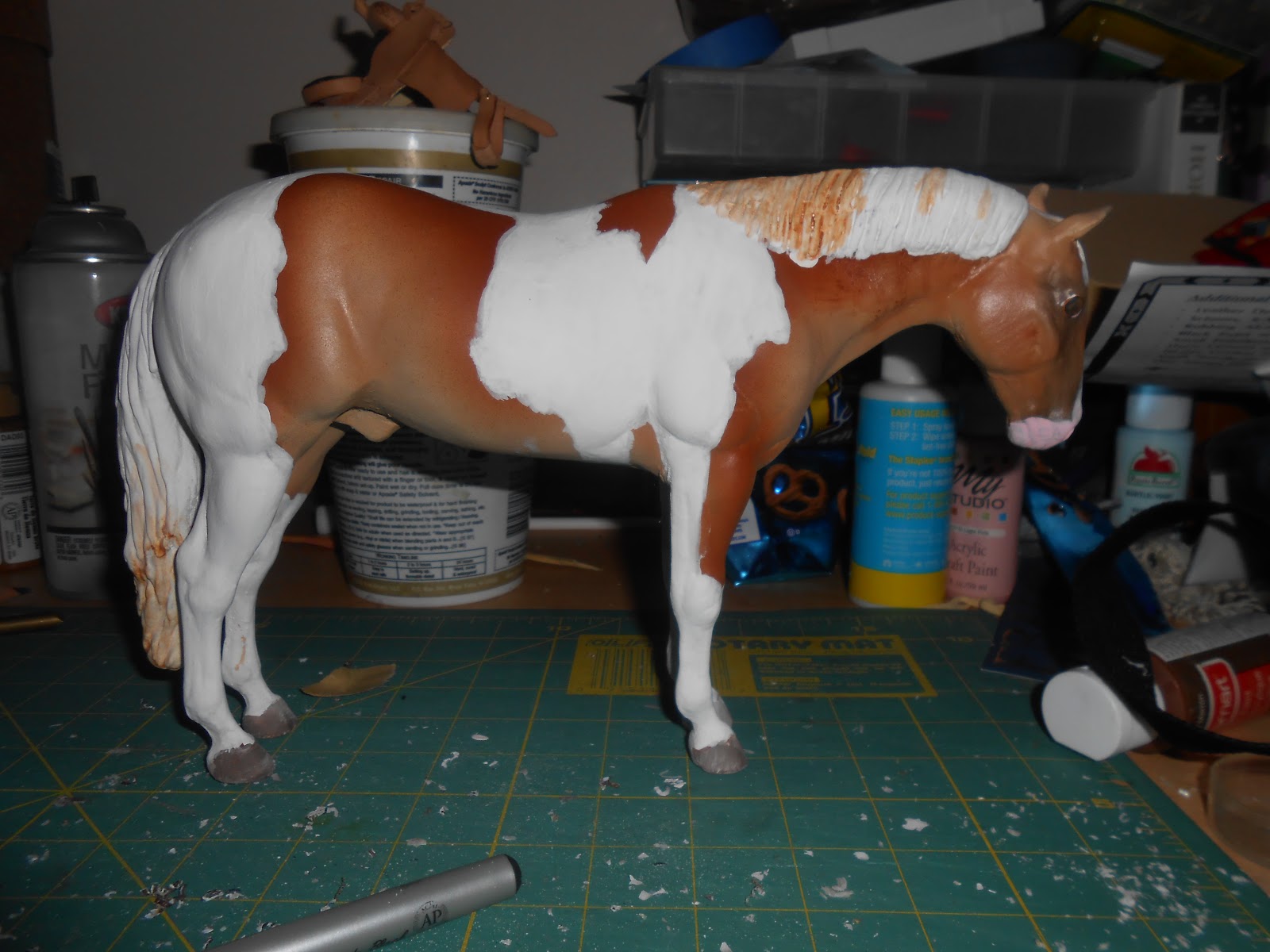
Customs are not so different from Orignal Finish models. When making a custom, it’s very important to make sure all of the seams are gone, and that the Breyer Logo isn’t there either. You don’t want people thinking it’s a regular model, right?
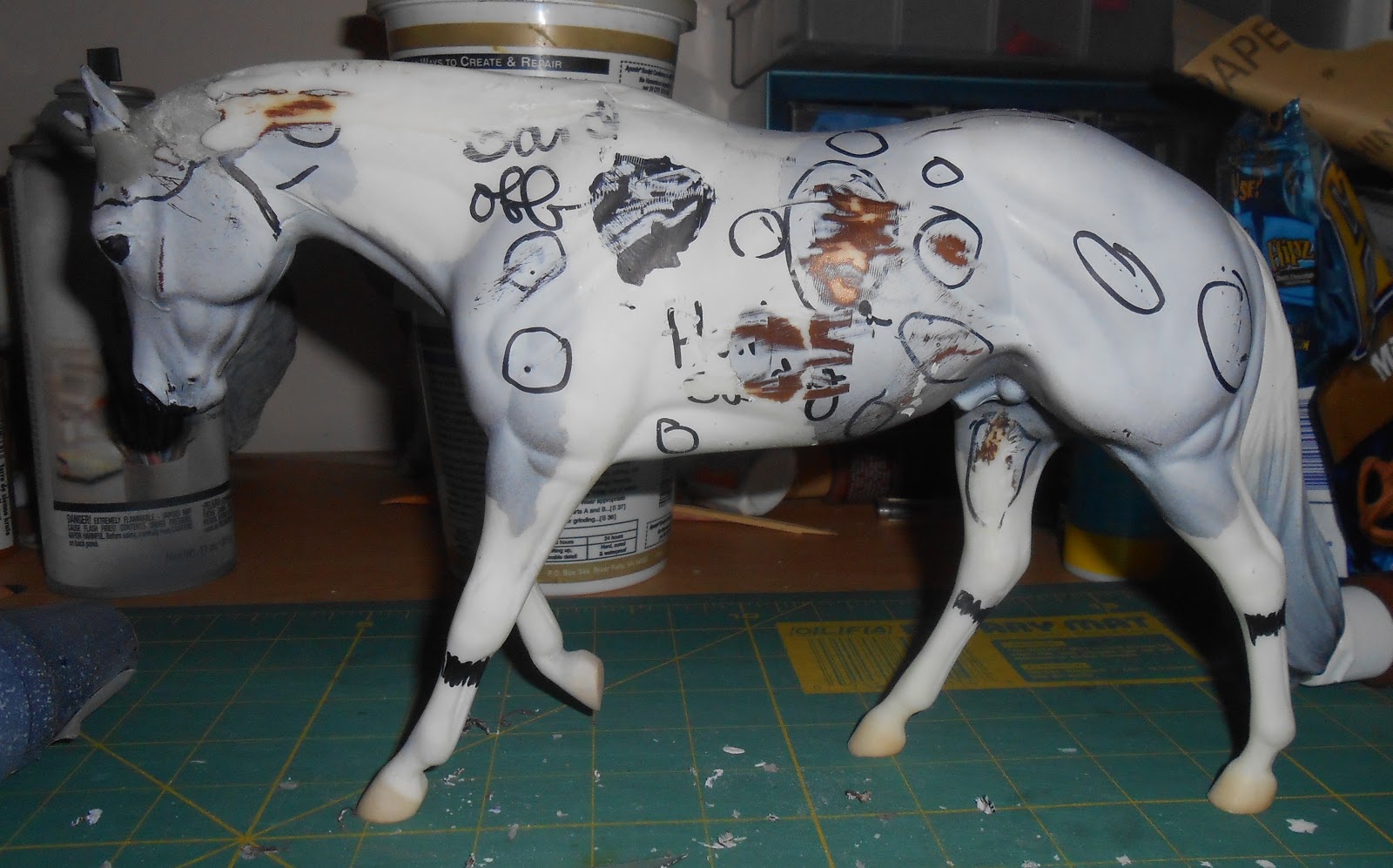
When prepping, make sure that the model is smooth, like the orignal finish models. That’s very important. The idea and concept of a model may be a A++, but if the model’s prepping contains bumps, clay leftovers, or huge chunks missing from its body, it could bump the model to last place.

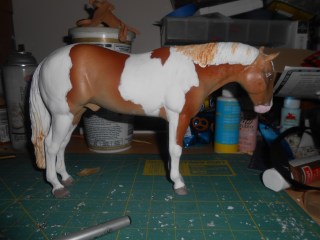
Lines, circles, notes made to remind me where to sand.
 

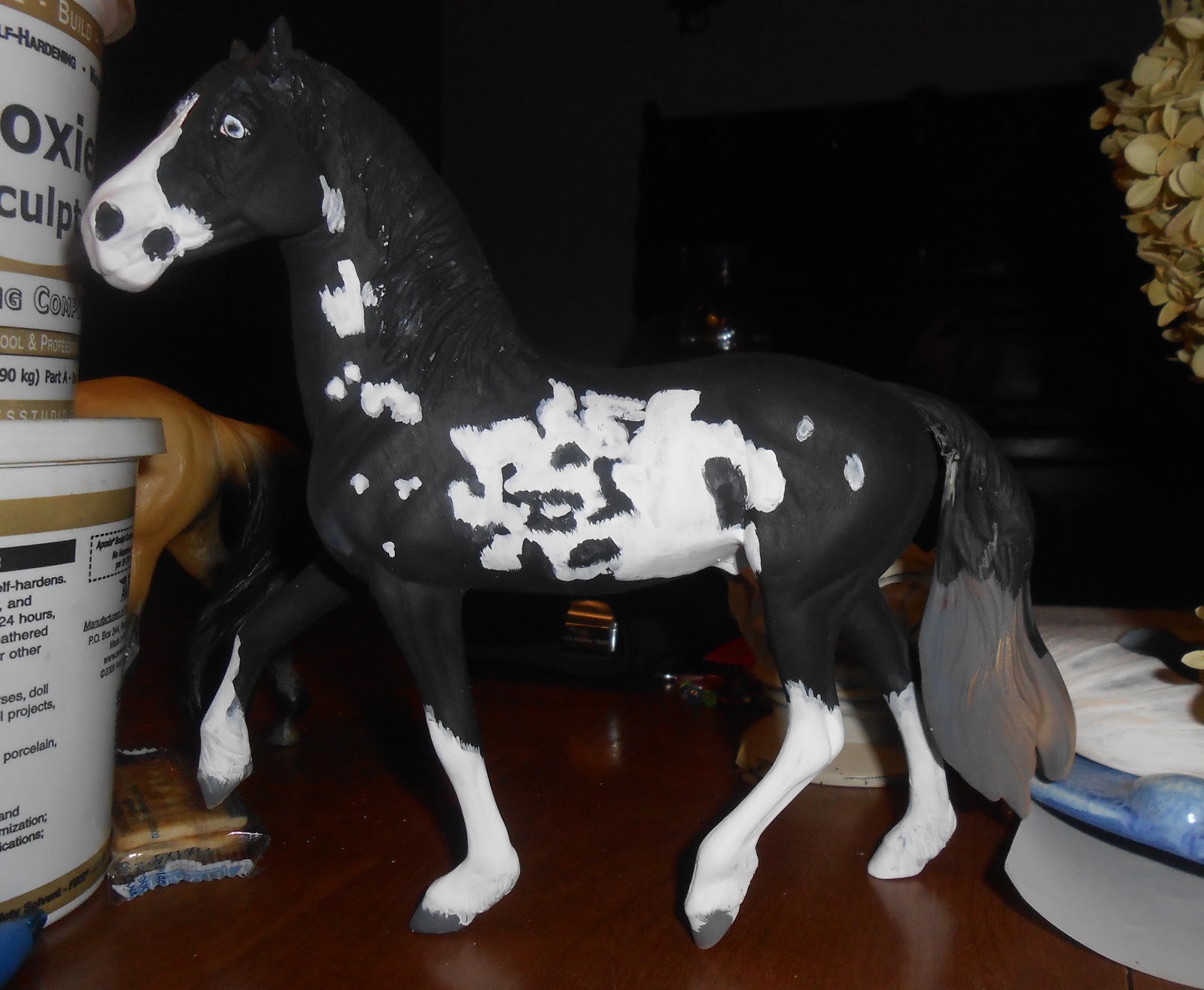
The paint job’s also an important part of model horses. You do not want overspray, or paint drips. Also, ‘flat paintings’, which is where a model does not have any shading, is a problem too.
You can’t go and buy a custom from someone else and claim it as your own during Breyerfest’s C/Y show. . For one, that’s ethically wrong. How do you feel good winning, when you know you cheated and lied about who created your new model? Two, the point of the BF C/Y show is to teach children how to show. It’s a beginner show. If you want to show your arist made custom, go show in the open show. Every year there is a controversy due to the fact that someone, knowing the rules, goes and shows a model not made by their own hands. Maybe if it’s said enough, maybe there will not be a case of it! It’s wishful thinking I know. *Mini Rant
Anyways, I’ll split up customs in a couple of ways. Performance and Halter. And different techniques hopefully including: clay, supplies, etc.

The Art of Performance-C/Y Show

Performance is the art of taking a single real life moment and being able to recreate it in model form. Within performance there are many sections, each having a set of requirements. Normally each section has its own tack and props or none at all.
Performance ranges from English,

to western,

and others such as costume!

Even though halter requires alot of research, performance is even more intense. The biggest and most important part of performance is research.  The better your research, the better your entry can be.

At Breyerfest, there are separate divisions : western, english, other, and scene.
Well that’s an overview of performance showing. Be ready for a break down of different events!